Trump Blocks Ukraine's Patriot Lifeline as Kyiv Drowns
Trump Blocks Ukraine's Patriot Lifeline as Kyiv Drowns in Missiles
As Russia unleashed a fresh barrage of ballistic missiles on Kyiv early Saturday morning—killing at least nine civilians and trapping residents in burning buildings—the Ukrainian capital faced a stark reality: three out of every four Russian missiles now slip past its air defenses. The reason isn't a lack of will from defenders; it's a catastrophic shortage of the Patriot interceptor missiles that could stop them. And just as the crisis reached a breaking point, President Donald Trump effectively killed Ukraine's best hope for closing that gap.
Key Takeaways
- Russia launched 377 missiles in July alone, with three out of every four now slipping past Ukrainian air defenses due to critical Patriot shortage
- Trump reversed his earlier commitment to grant Ukraine a Patriot manufacturing license, citing security concerns about technology transfer
- The August 1 Kyiv strike killed nine civilians and injured 15, exemplifying the human toll of delayed air defense support
- Without access to Patriot production or sustained supply from allies, Ukraine faces a winnable air defense problem that could become unwinnable within months
The Overnight Strike That Changed Everything
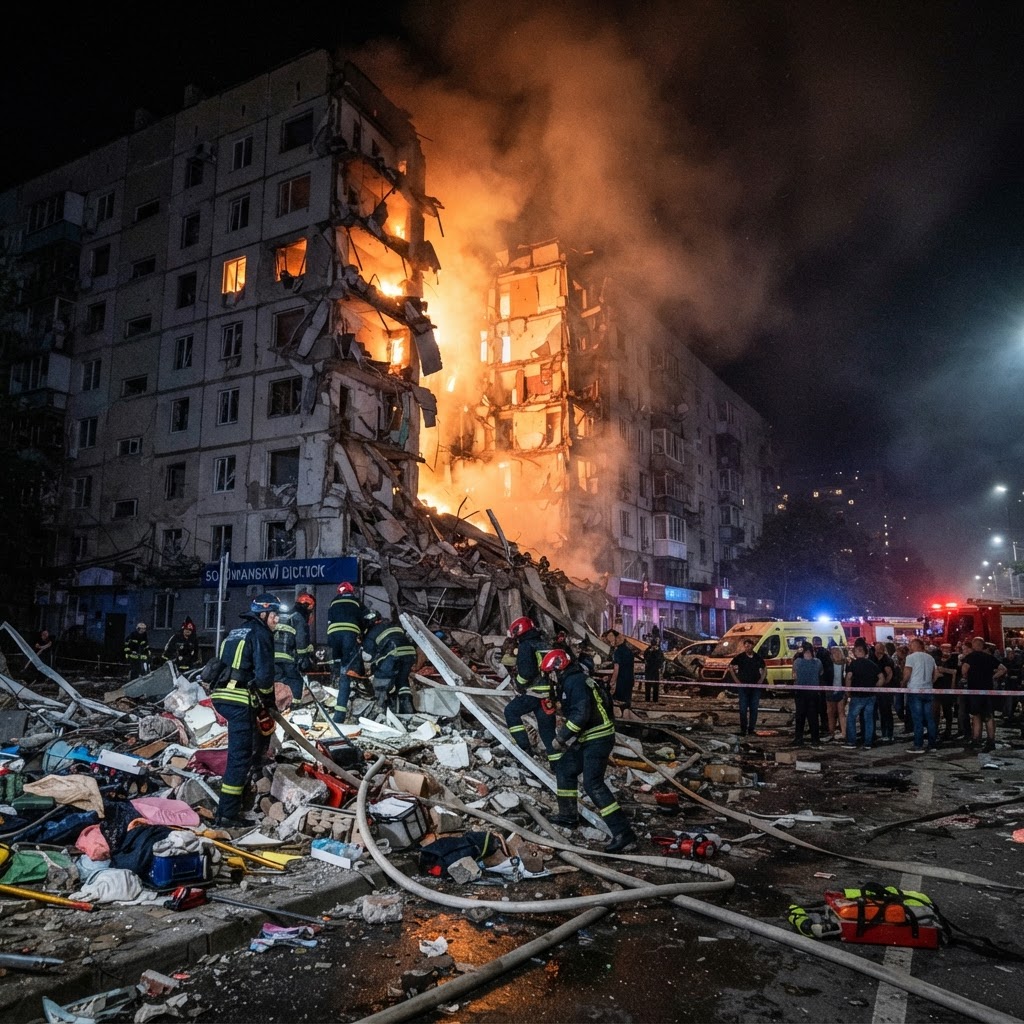
On August 1, 2026, Russia's overnight attack on Kyiv marked the latest in an accelerating pattern of destruction. Ballistic missiles struck five different districts—Shevchenkivskyi, Solomyanskyi, Darnytskyi, and Holosiivskyi—leaving at least nine people dead and 15 wounded, including two boys aged 13 and 17. Firefighters battled blazing warehouses in Darnytskyi. Partially collapsed buildings in Shevchenkivskyi trapped residents as flames spread. One victim remained in serious condition as emergency services continued rescue efforts into the morning.
The scale of destruction was methodical and devastating, but what made it truly alarming was what didn't happen: the vast majority of those missiles reached their targets unchallenged. This was no isolated incident. According to the Kyiv Post, three out of four Russian ballistic missiles got through Ukrainian air defenses in July—a month that saw Russia launch a record 377 missiles across the entire country, with only about half intercepted overall. The math is brutal: Ukraine's air defense umbrella, once functional, is now a sieve.
Why Patriot Missiles Are the Bottleneck
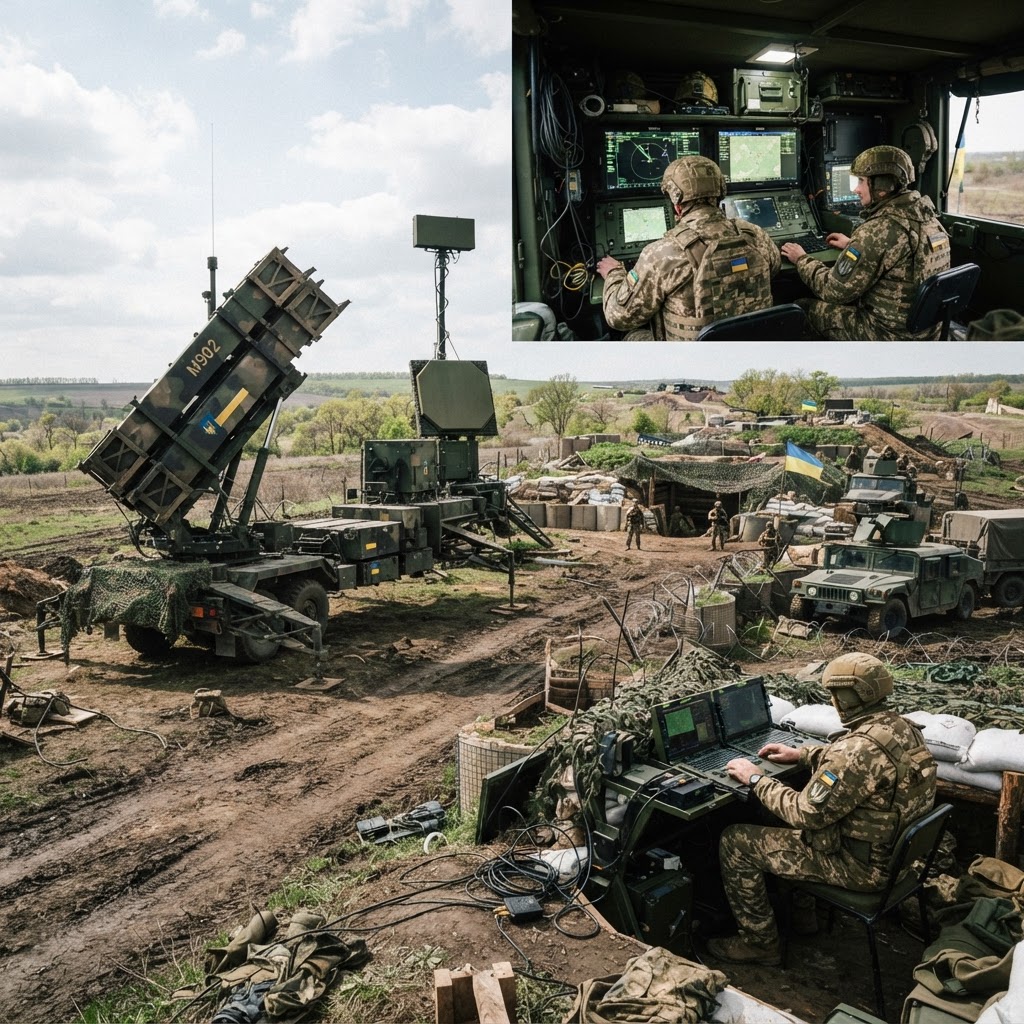
The problem isn't new, but it's become urgent. Patriot air defense systems are some of the most effective weapons against the type of ballistic missiles Russia is deploying. But Ukraine has never had enough of them, and the ones it has came as donations from NATO allies who couldn't afford to send unlimited supplies. A country that needs dozens of operational Patriot batteries to defend its major cities has a fraction of that number. According to TIME Magazine, Zelenskyy has been explicit: "Untimely assistance and delays in the delivery of anti-ballistic missiles lead to this kind of destruction."
Enter manufacturing. If Ukraine could build its own Patriot missiles domestically, it wouldn't have to beg for shipments or wait for donations to trickle in. It could scale up production to match the pace of Russian attacks. That's why Volodymyr Zelenskyy pressed the United States for a manufacturing license—a technical agreement that would allow Ukrainian defense contractors to produce Patriot interceptors under U.S. patent.
It seemed like a no-brainer. Earlier this month, Trump had indicated he might grant it. Ukraine would get a path to self-sufficiency. The U.S. would strengthen an ally without depleting its own arsenal. Everyone wins—or so it appeared.
Trump's Sudden Reversal: From Yes to "Very Careful"
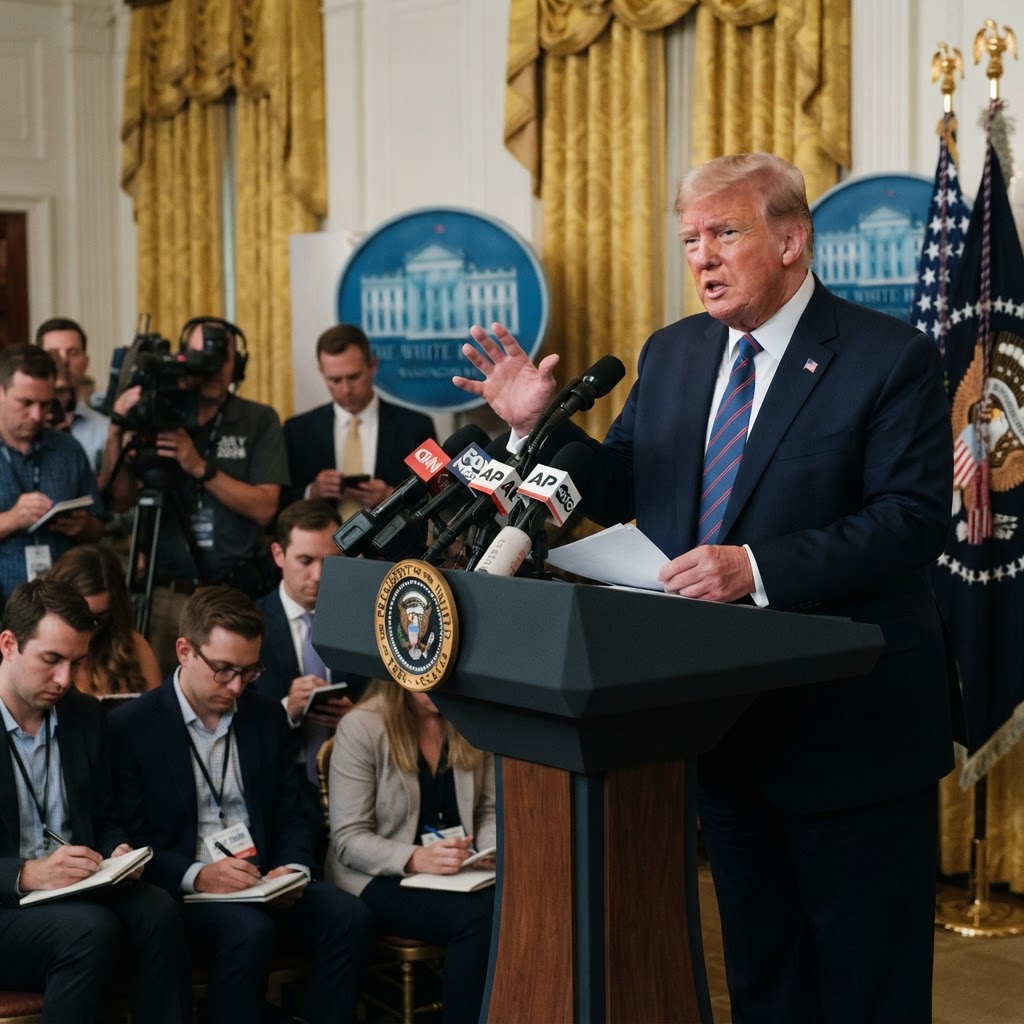
On Friday, July 31, just hours before the Kyiv strike, Trump held a press conference and walked it all back. Asked about granting Ukraine a Patriot manufacturing license, according to the South China Morning Post, he said: "You have to be very judicious, but you have to be very careful. Now we have not agreed to that. We're talking about it, but it's a hard thing to give away that kind of technology."
Trump's stated concern was security: if Ukraine acquired the technical knowledge to build Patriot missiles, what would stop that technology from spreading to adversaries? "There's people that you give that technology, they can someday turn on you," he said, framing the issue as one of national security rather than geopolitical calculation.
The reversal was jarring. It contradicted his earlier public statements. It contradicted the logic of allied support—Ukraine, a NATO aspirant fighting an existential war against a common adversary, is hardly a security risk to the U.S. And it came at the exact moment when the human cost of delay was becoming impossible to ignore. By Saturday morning, eight hours after Trump's "very careful" comment, nine more people were dead in Kyiv, their lives forfeit to a weapon system that Ukraine cannot manufacture and cannot afford to buy on the open market because Washington won't allow it.
The Broader Pattern: Trump's Defense Reversals
This isn't Trump's first flip-flop on Ukraine support, nor is it an isolated incident of hesitation. Earlier this summer, as documented in this blog's coverage of Trump's Iran policy, the administration has repeatedly wavered on key commitments to allies when hard decisions arrived. Whether it's weapons licenses, intelligence sharing, or military aid, the pattern is one of announced support followed by sudden caution when implementation becomes real.
For Ukraine, the message is clear: U.S. backing is conditional, hesitant, and subject to change without notice. Zelenskyy cannot plan a long-term defense strategy on promises that evaporate when a press conference arrives.
The Real Cost: A War of Attrition Ukraine Cannot Win Without Air Defense
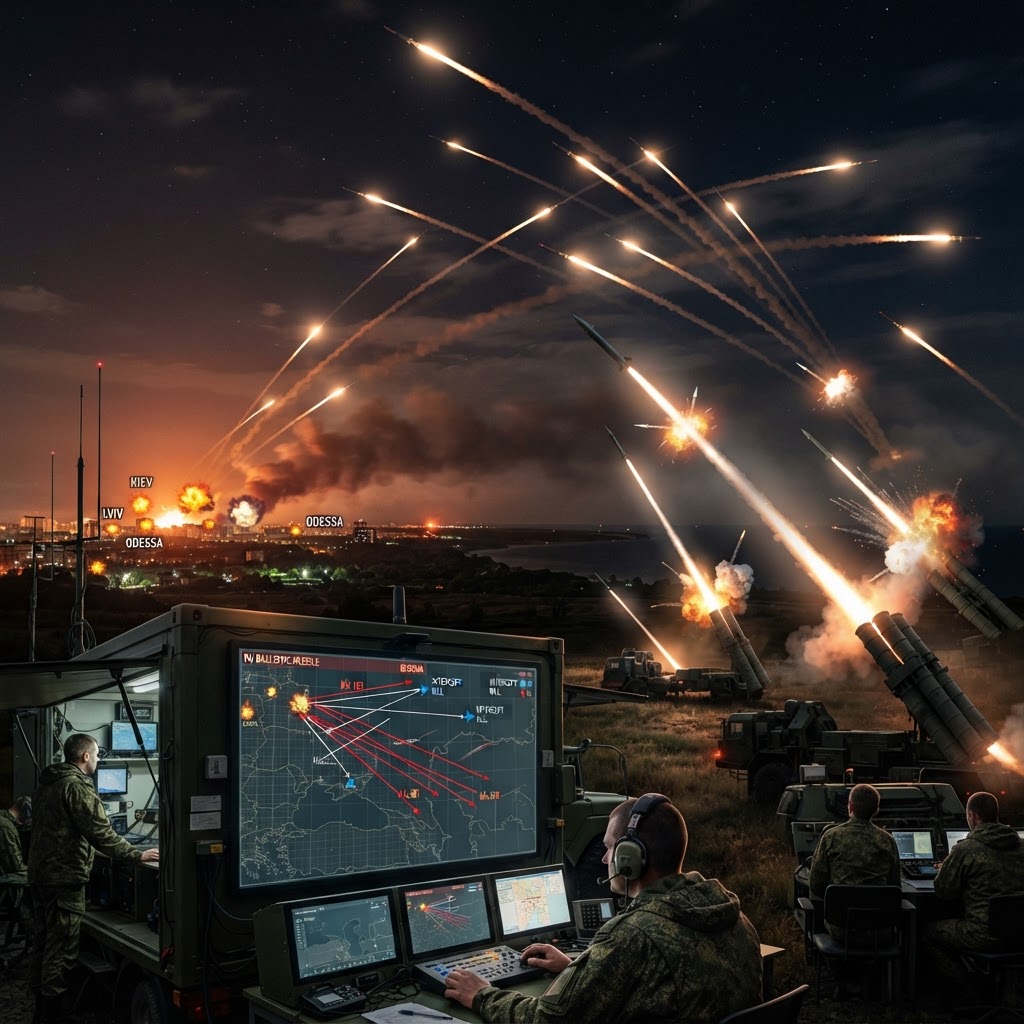
What makes Trump's decision particularly consequential is that Ukraine cannot win a war of attrition against Russian missiles using existing resources. Russia can sustain the current pace of 377 missiles per month indefinitely—it's industrializing the production of drones and cruise missiles, and most estimates suggest its stockpiles remain substantial. Ukraine, by contrast, is rationing every interceptor it has. Patriot missiles are expensive (around $4 million each) and limited in number. Each one used against a Russian missile is one fewer available for the next attack.
Without a dramatic increase in supply—whether through donations, manufacturing, or some other method—the mathematics of the air war tilts inexorably in Russia's favor. As the Kyiv Post analysis showed, the trend is already visible: three out of four missiles getting through is not a failure of Ukrainian defenses; it's a consequence of having insufficient defensive capacity to intercept all incoming targets. Extend that over months, and every Russian missile that lands represents one more building destroyed, one more family killed, one more inch of infrastructure crumbled.
What a Patriot License Would Have Changed
A manufacturing license wouldn't have solved Ukraine's problem overnight. Building a new production facility, training workers, and scaling output takes time—months at minimum. But it would have signaled something crucial: that the United States had Ukraine's back for the long term, not just this quarter. It would have allowed Ukraine to plan for 2027, 2028, and beyond, knowing it could ramp up interceptor production as its economy permitted. It would have transformed the air war from a slow bleed to a sustainable defense.
Instead, Ukraine gets the opposite signal. Trump's reversal suggests that U.S. support is tactical, provisional, and subject to geopolitical moods. For a country fighting an existential war, that's not a partnership—it's a transaction, and one that expires whenever the other party gets cold feet.
The Diplomatic Pressure Mounts
Zelenskyy's government hasn't given up. According to RFE/RL, even as the Kyiv strike was happening, Ukrainian officials were still pressing the U.S. for reconsideration. The pressure is mounting not just from Kyiv, but from European capitals watching a key NATO aspirant slowly lose the air war by attrition. The message is becoming impossible to ignore: delay is not neutrality; it's a choice to let Russian missiles fall unchallenged.
FAQ
Why can't Ukraine just buy Patriot missiles on the international market?
The U.S. controls export rights to Patriot systems and their components. International arms agreements and U.S. law restrict who can purchase these systems and in what quantities. Ukraine could theoretically buy from the U.S., but not without Washington's approval—and Trump just demonstrated what that approval is worth.
How many Patriot batteries does Ukraine currently have?
Ukraine has received seven to nine Patriot batteries from NATO allies (primarily the U.S., Germany, and Romania), deployed across the country. A typical modern army defending a territory of Ukraine's size would need 40 to 50 batteries. The gap is enormous.
Are there alternatives to Patriot systems?
Yes—systems like the German IRIS-T SLM, the French SAMP/T, and the Israeli David's Sling can intercept ballistic missiles. But they're in even shorter supply for Ukraine, and they're not as proven against the specific Russian missiles being deployed. Patriot remains the most established option.
What happens if Trump changes his mind again?
If the U.S. grants the manufacturing license, Ukraine could begin building Patriot missiles within 6-12 months, ramping up production as its defense industry expands. But the current messaging—caution and delay—suggests that window may be closing, and every month of delay costs lives.


Comments
Post a Comment