Fibermaxxing: The Viral Health Trend of 2026 Explained
Fibermaxxing: The Viral Health Trend of 2026 Explained
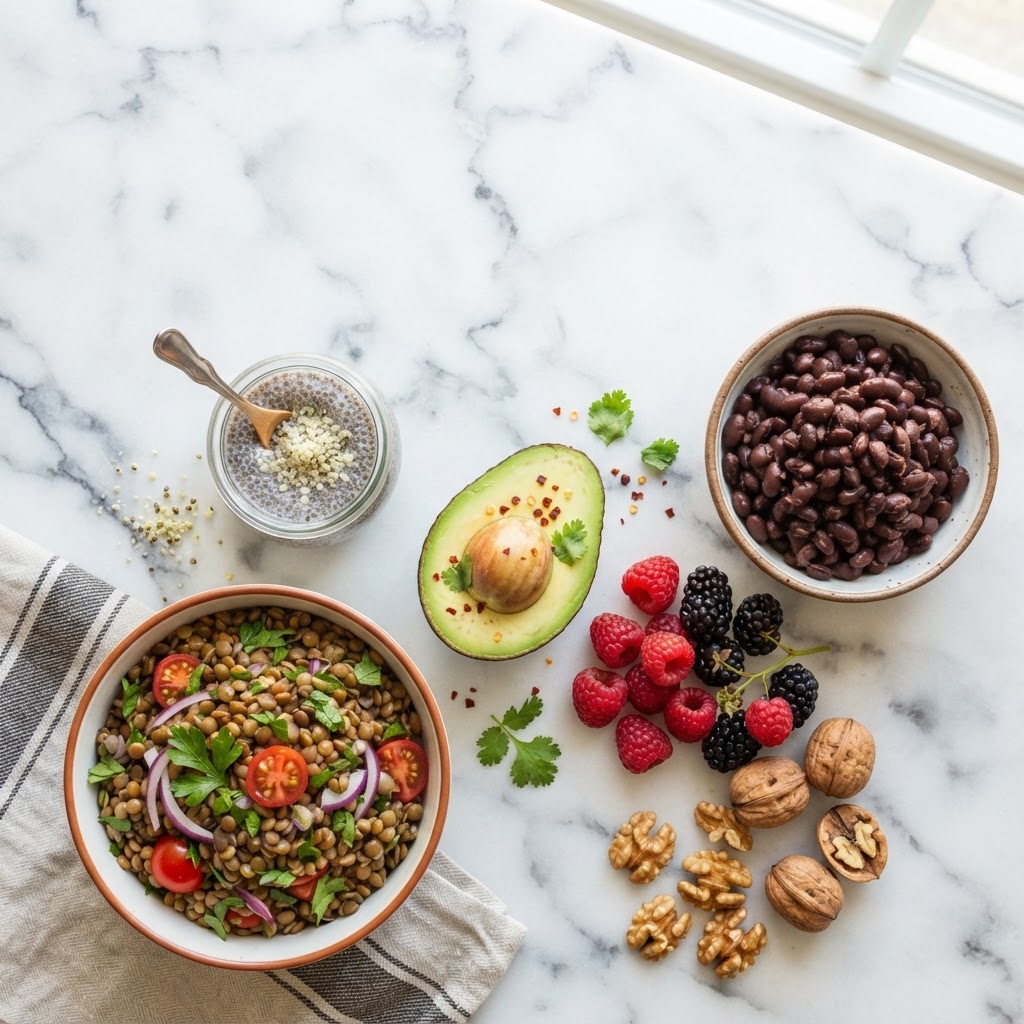
Have you heard of fibermaxxing? If you spend any time on social media, you've probably seen influencers piling plates high with beans, chia seeds, and veggies. Fibermaxxing is the viral health trend taking over 2026, and it's all about maximizing your daily fiber intake. Searches for the term jumped by 115% in just three months. But is this trend worth the hype, or is it just another diet fad? Let's break it down.
What Is Fibermaxxing and Why Is Everyone Talking About It?
Fibermaxxing is simple at its core. It means loading up on fiber-rich foods to max out your daily fiber intake. Think of it like protein-maxing, but for fiber. Instead of counting grams of protein, you're counting grams of fiber from whole foods like lentils, beans, fruits, and vegetables.
The trend exploded in early 2026. Influencers started posting their "fiber bowls" on Instagram and TikTok. Brands jumped on board, adding fiber to everything from snacks to drinks. Google reported that searches for "dietary fiber" hit an all-time high. Food blogs and nutrition channels started churning out fibermaxxing content almost overnight. Grocery stores even reported spikes in sales of lentils and chia seeds in certain markets.
But here's what makes fibermaxxing different from other viral diet trends. It actually has solid science behind it. Doctors and nutritionists from places like UCLA Health and Johns Hopkins have weighed in. They say the core idea, eating more fiber, is genuinely good for you. Unlike juice cleanses or extreme fasting, the fibermaxxing movement has a foundation in decades of nutrition research.
The question isn't whether fiber is healthy. It is. The question is whether the extreme version of fibermaxxing makes sense for everyone. And that's where things get interesting.
The Fiber Crisis: Why 95% of Americans Fall Short
The Shocking Statistics
Here's a number that should stop you in your tracks. Only 5% of Americans get the recommended amount of daily fiber. Let that sink in. Ninety-five out of a hundred people are walking around fiber-deficient.
The American Heart Association found that 95% of adults and children don't consume enough fiber. The American Society for Nutrition reports that just 7% of adults meet fiber recommendations. Some studies put the number even lower, at less than 3%.
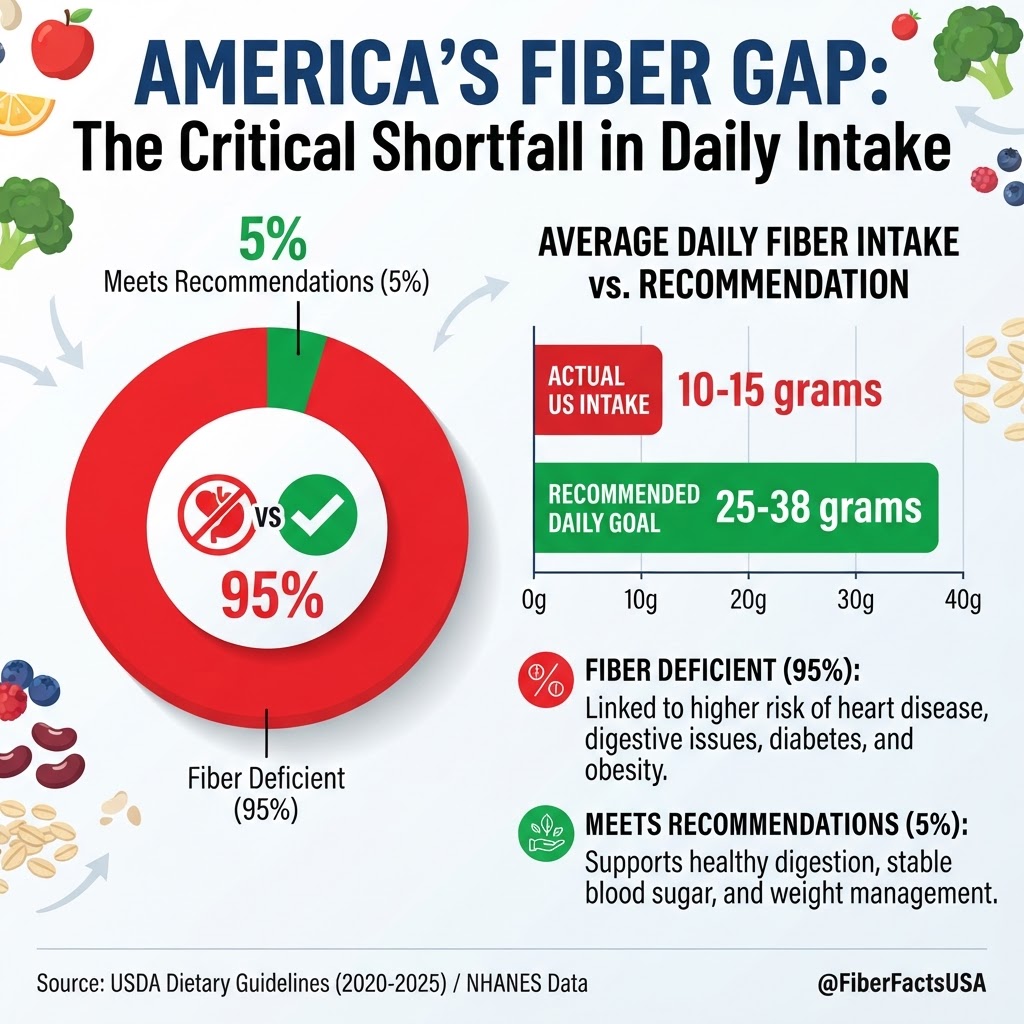
What does enough fiber look like? The recommendation is 14 grams per 1,000 calories. For most adults, that works out to 25 grams per day for women and 38 grams per day for men.
But the average American eats just 10 to 15 grams per day. That's less than half of what they need. More than 90% of women and 97% of men fall short of the daily target. These numbers are staggering when you think about it. We're talking about a nutrient that's cheap, available, and incredibly good for you. Yet almost nobody gets enough.
Think about it this way. If 95% of people were deficient in vitamin C, there would be a national health emergency. But fiber? Most people don't even know they're missing it. There's no fiber deficiency awareness month. No one's talking about the fiber gap on the evening news. But the health consequences are real and well-documented.
Why We're Eating Less Fiber Than Ever
So why is everyone so fiber-deficient? The answer comes down to what's on our plates. Ultra-processed foods make up a huge chunk of the modern diet. These foods are stripped of fiber during processing. White bread, white rice, sugary snacks, and fast food all have one thing in common. Almost zero fiber.
Think about a typical breakfast. A bowl of sugary cereal with milk. A bagel with cream cheese. A pastry from the coffee shop. None of these give you meaningful fiber. Compare that to a bowl of oatmeal with berries and chia seeds. That single bowl could give you 10 grams of fiber before you even leave the house.
The problem isn't knowledge. Most people know that vegetables and whole grains are healthy. The problem is access, habit, and convenience. Ultra-processed foods are cheap, fast, and everywhere. Whole fiber-rich foods take more planning and prep. A bag of chips is ready to eat. A pot of lentils takes 30 minutes to cook. A banana from the drive-through? Good luck finding one.
That's exactly why fibermaxxing has caught on. It gives people a simple, catchy framework to focus on fiber. And the science backs up why that matters.
How Fibermaxxing Works: The Science Behind the Trend
Your Gut Microbiome Loves Fiber

Here's where things get fascinating. Fiber doesn't just keep you regular. It feeds the trillions of bacteria living in your gut. Your gut microbiome is a bustling community of microbes. They depend on fiber to survive and thrive.
When you eat fiber, your body can't digest it on its own. Instead, the bacteria in your large intestine ferment it. This fermentation process produces compounds called short-chain fatty acids. These tiny molecules are powerhouses of health.
A 2026 study published in Frontiers in Nutrition found that fiber supplementation plus home-based exercise significantly improved gut microbiota diversity and reduced low-grade inflammation. The connection between fiber and gut health is one of the most exciting areas of nutrition research right now. Scientists are discovering that the gut microbiome influences everything from your immune system to your mood.
Think of your gut bacteria like a garden. Fiber is the fertilizer. Without it, the good bacteria starve. With it, they flourish and keep your digestive system running smoothly. When you fibermax, you're feeding that garden everything it needs to thrive. And a thriving garden means a healthier you.
Short-Chain Fatty Acids: The Magic Molecules
Let's talk about those short-chain fatty acids. They might be the real reason fibermaxxing works. The three main ones are butyrate, acetate, and propionate. Here's what they do.
Butyrate is the star player. It's the primary energy source for the cells lining your colon. It helps reduce inflammation in the gut. Some research suggests it may even play a role in preventing colon cancer. Think of butyrate as the repair crew that keeps your intestinal walls strong and healthy.
Acetate and propionate travel through your bloodstream. They help regulate blood sugar levels. They can make you feel full, which helps with weight management. They even communicate with your brain to signal satiety. That's right. The fiber you eat today could actually help you eat less tomorrow by keeping you feeling satisfied longer.
When you fibermax, you're essentially feeding your gut bacteria a feast. They repay you by producing these health-promoting molecules. It's a win-win relationship that scientists are still unpacking. Each new study seems to reveal another benefit of these remarkable compounds.
The research is clear on one thing. People who eat more fiber tend to have more diverse gut microbiomes. And diversity is the hallmark of a healthy gut. Just as silicon carbon batteries store more energy with better technology, fiber stores more health in your gut through better nutrition.
Best High-Fiber Foods for Your Fibermaxxing Journey
Top 10 Fiber-Rich Foods
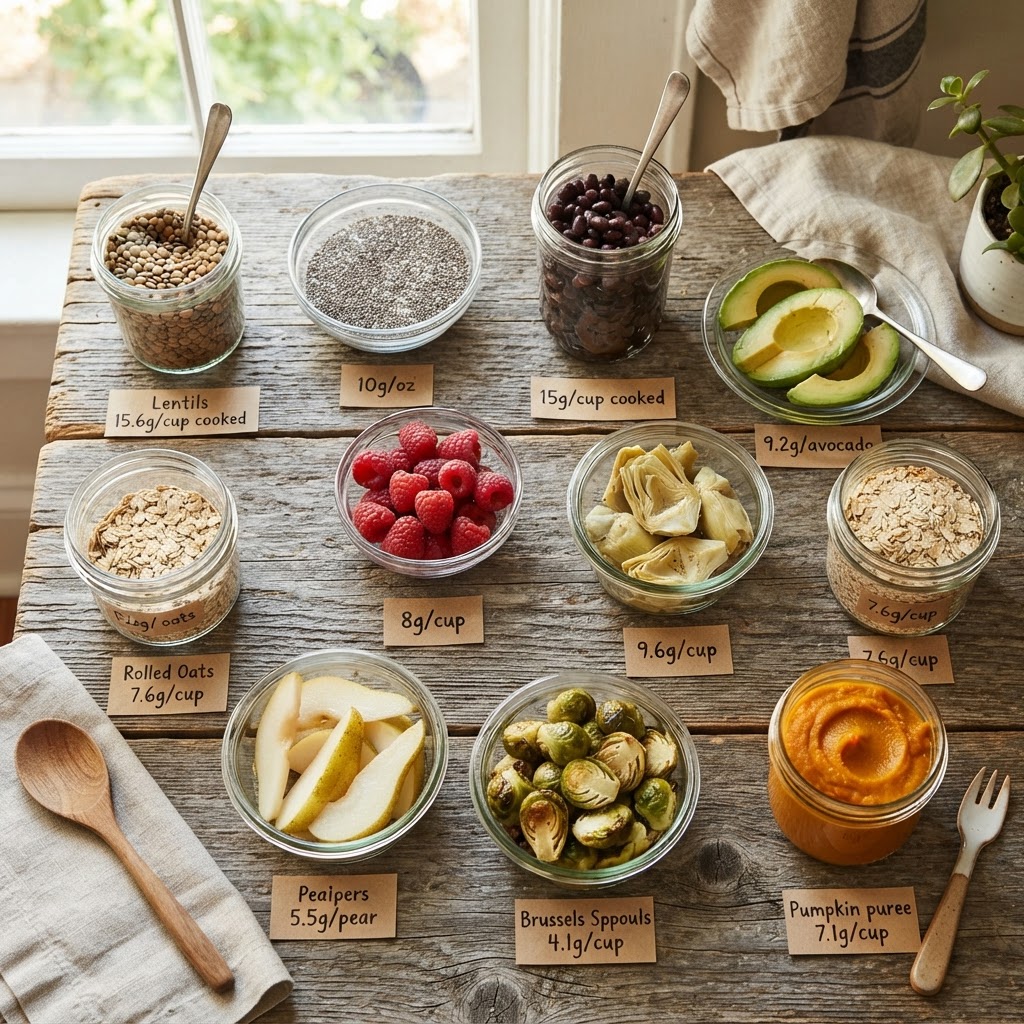
If you want to start fibermaxxing, you need to know which foods pack the biggest fiber punch. Here are ten of the best sources, with real numbers.
1. Chia seeds: 10 grams per ounce, about 2 tablespoons
2. Lentils: 15.6 grams per cup when cooked
3. Black beans: 7.5 grams per half cup
4. Avocado: 9 grams per medium fruit
5. Raspberries: 8 grams per cup
6. Artichokes: 9.6 grams per cup
7. Oats: 4 grams per cup when cooked
8. Pears: 5.5 grams per medium fruit
9. Brussels sprouts: 4 grams per cup
10. Pumpkin: 7.1 grams per cup when canned
Notice something? None of these are processed foods. They're all whole, real foods that you can find at any grocery store. You don't need expensive supplements or specialty products to fibermax. Your local produce aisle is a fiber goldmine waiting to be explored.
Easy Swaps to Add More Fiber
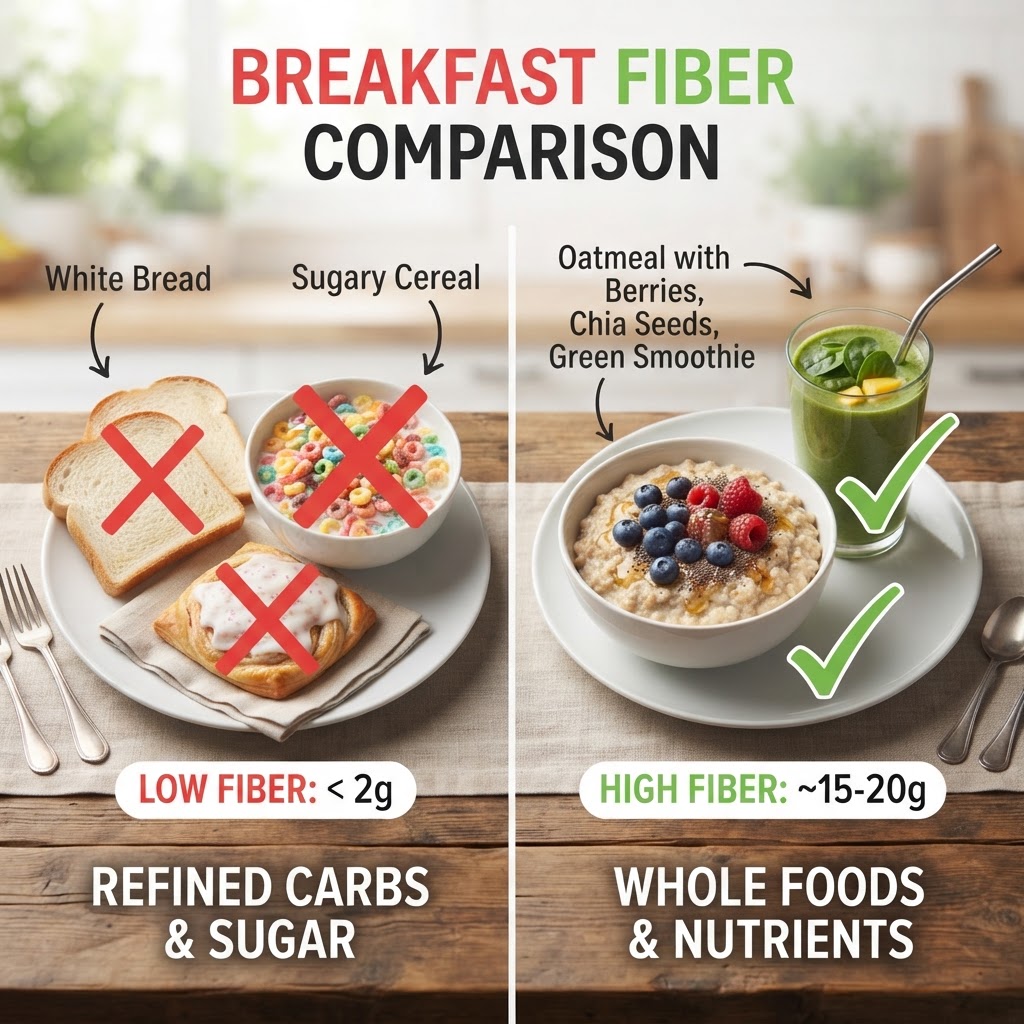
You don't have to overhaul your entire diet overnight. Small swaps add up fast. Here are some easy changes anyone can make.
Swap white bread for whole grain bread. That alone adds 2 to 3 grams of fiber per slice. Use brown rice instead of white rice. Add a handful of berries to your breakfast. Toss chia seeds into your smoothie or yogurt for an easy 5-gram boost.
Snack on popcorn instead of chips. Popcorn is actually a whole grain with about 3.6 grams of fiber per cup. Add beans to your salad or soup. Half a cup of black beans gives you nearly 8 grams of fiber. That's a third of your daily target in one scoop.
Replace meat with lentils in tacos or chili. A single cup of lentils delivers over 15 grams of fiber. And they're cheap, filling, and versatile. You can season them a dozen different ways. Your wallet and your gut will both thank you.
These swaps don't feel like a diet. They feel like upgrades. And that's the key to making fibermaxxing sustainable for the long haul. Just like AI is changing how we search for information, small changes in how we eat can transform our health.
The Right Way to Fibermax: Tips for Success
Start Slow and Build Up
Here's the most important tip I can give you. Don't go from 10 grams of fiber to 38 grams overnight. Your gut needs time to adjust. If you suddenly dump a massive amount of fiber into your system, you'll pay for it.
Bloating, gas, cramps, and constipation can all happen if you increase fiber too fast. The bacteria in your gut need time to ramp up their fiber-digesting abilities. Give them a week or two to catch up.
Start by adding just 5 grams more fiber per day. Do that for a few days. Then add another 5. Keep going until you hit your target. It might take two to three weeks to get there comfortably. That's fine. This is a marathon, not a sprint. The goal is to build a habit that lasts, not to hit a number for one day.
Drink Plenty of Water
Fiber and water go hand in hand. Fiber works by absorbing water in your digestive tract. It adds bulk to your stool and helps everything move through smoothly. But if you increase fiber without drinking enough water, you can actually make constipation worse.
Aim for at least 8 glasses of water per day when you're fibermaxxing. If you're active or live in a hot climate, you might need more. Herbal tea and sparkling water count too.
Listen to your body. If you feel bloated or uncomfortable, slow down. Back off on the fiber for a day or two. Then try again at a slightly lower amount. Your gut will tell you when you've found the right level. Trust that signal.
Track Your Fiber Intake
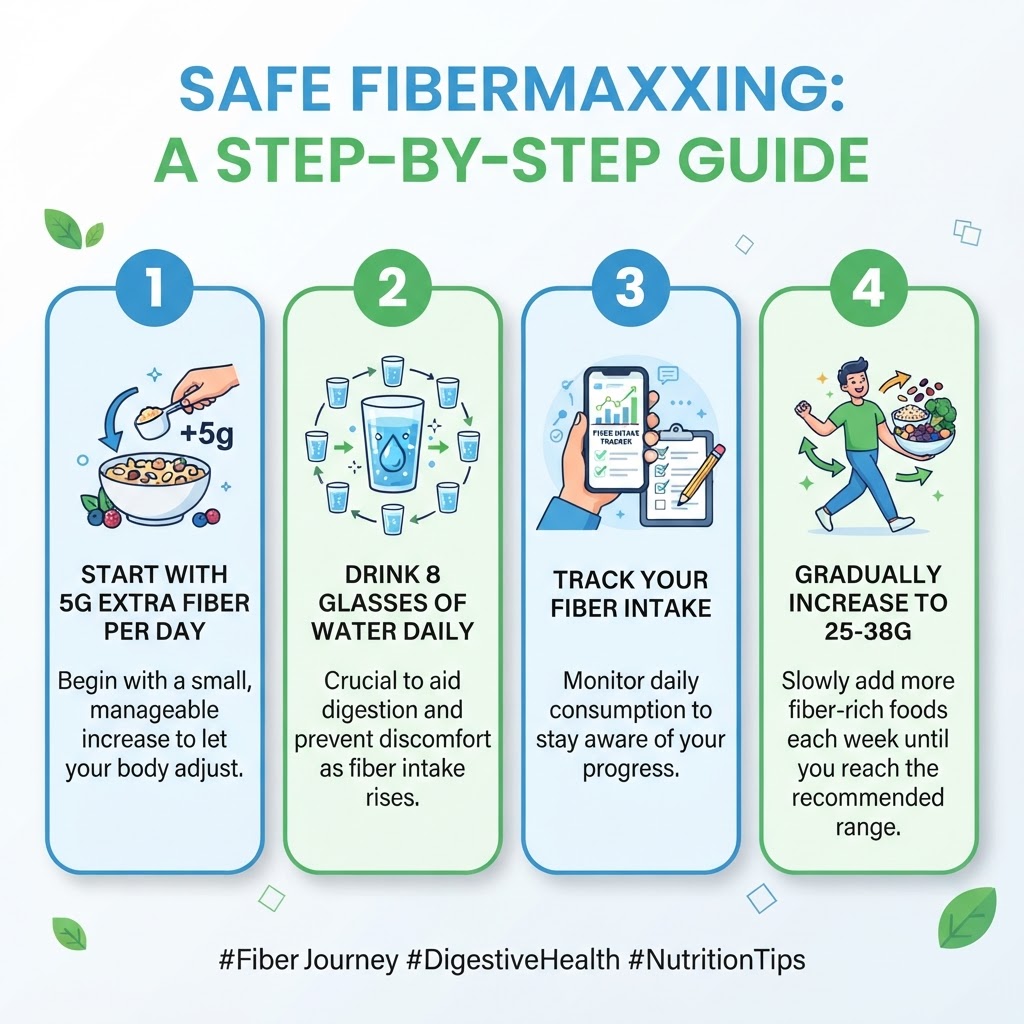
Here's a tip that makes fibermaxxing much easier. Track your fiber for the first week or two. Use a food tracking app or just jot it down in a notebook. Most people are surprised by how little fiber they actually eat.
Once you see the numbers, you can spot easy opportunities to add more. Maybe your breakfast is low on fiber. Add some chia seeds to your oatmeal. Maybe your snacks are all processed. Swap in an apple with peanut butter instead. An apple gives you about 4 grams of fiber, and two tablespoons of peanut butter adds another 2 grams. That's 6 grams of fiber in one snack.
Tracking takes the guesswork out of fibermaxxing. After a couple of weeks, you'll have a feel for it. You won't need to count anymore. You'll just know which foods give you the fiber you need.
Can You Have Too Much Fiber? Risks and Warnings
Now here's the thing about fibermaxxing. More isn't always better. Yes, most people need more fiber. But it is possible to overdo it.
The University of Utah Health published a warning in July 2026 about fibermaxxing. They noted that loading up too fast, especially with fiber supplements, can cause real problems.
Symptoms of too much fiber include bloating and abdominal pain, gas and flatulence, constipation, diarrhea, and reduced absorption of nutrients. These symptoms can range from mildly annoying to genuinely painful. Some people end up thinking they have a food intolerance when really they just added too much fiber too fast.
There's another risk with supplements. Some fiber supplements can interfere with medication absorption. If you take prescription drugs, talk to your doctor before adding fiber supplements to your routine. This is especially important for medications that require precise dosing, like blood thinners or thyroid medications.
The sweet spot seems to be the 25 to 38 grams range from whole foods. Going beyond that with supplements doesn't clearly add benefits. And it increases the risk of side effects. Some nutritionists suggest that getting fiber from a variety of sources is better than getting it all from one supplement.
Here's a good rule of thumb. If you're getting your fiber from food, you're probably fine. If you're relying on powders and pills to hit huge numbers, you might want to dial it back. Nature designed whole foods to deliver fiber in a package that your body handles well. Supplements skip that packaging.
The Future of Fibermaxxing
Fibermaxxing isn't just a passing trend. It points to something bigger. People are waking up to the fact that what they eat matters. Not just calories, but the quality and type of food. We're seeing a shift from counting calories to counting nutrients that actually matter for long-term health.
The food industry is already responding. You'll see more fiber-fortified products on shelves. More restaurants highlighting fiber-rich options. More apps and tools for tracking fiber intake alongside calories and protein. The conversation around gut health is only getting louder, and fiber is at the center of it.
But the real power of fibermaxxing is its simplicity. You don't need a special diet plan. You don't need expensive products. You just need to eat more whole, fiber-rich foods. Beans, lentils, fruits, vegetables, whole grains. That's it. The best things you can do for your health are often the simplest.
The science will keep evolving. Researchers are still discovering how fiber interacts with our gut microbiome. New studies are looking at how different types of fiber affect different people. Personalized nutrition based on your gut bacteria could be the next frontier. Imagine a world where your doctor prescribes specific fiber types based on your unique microbiome.
For now, the message is clear. Most of us need more fiber. Fibermaxxing is a fun, catchy way to get there. Just do it smartly. Start slow, drink water, and listen to your body.
Your gut will thank you. And honestly, so will the rest of you.
Frequently Asked Questions
What is fibermaxxing and is it safe?
Fibermaxxing is the trend of maximizing your daily fiber intake through whole foods like beans, fruits, and vegetables. It's generally safe when done gradually. Doctors support eating more fiber, but warn against increasing too fast. Start slow, add 5 grams at a time, and drink plenty of water to avoid bloating and discomfort.
How much fiber should I eat per day?
The recommended daily fiber intake is 14 grams per 1,000 calories. That works out to about 25 grams for women and 38 grams for men. Most Americans eat only 10 to 15 grams per day, well below the target. Aim to hit the recommendation through whole foods rather than supplements for the best results.
What are the best high-fiber foods?
The best high-fiber foods include lentils at 15.6 grams per cup, chia seeds at 10 grams per ounce, avocados at 9 grams each, raspberries at 8 grams per cup, and black beans at 7.5 grams per half cup. Whole grains, vegetables, and nuts are also excellent sources of dietary fiber for fibermaxxing.
Can too much fiber be harmful?
Yes, too much fiber can cause bloating, gas, abdominal pain, constipation, and diarrhea. It can also reduce the absorption of certain nutrients and medications. The risk is highest when people add fiber too quickly or rely heavily on supplements. Stay within the recommended 25 to 38 grams and get most from whole foods.
How long does it take to see benefits from more fiber?
Most people notice improvements in digestion within one to two weeks of increasing fiber intake. Benefits like better blood sugar control, reduced cholesterol, and improved satiety may take a few weeks to a few months. Long-term benefits, like reduced risk of heart disease and type 2 diabetes, build over years.
Should I take fiber supplements or eat whole foods?
Whole foods are almost always better than supplements. Fiber-rich foods provide vitamins, minerals, and antioxidants along with fiber. Supplements can help fill gaps, but they lack these extra nutrients. If you do use supplements, start with a small dose and increase gradually to avoid digestive side effects.


Awesome
ReplyDeleteVery good
ReplyDelete