Cold Plunge: The Science-Backed Health Trend Taking Over 2026
Cold Plunge: The Science-Backed Health Trend Taking Over 2026
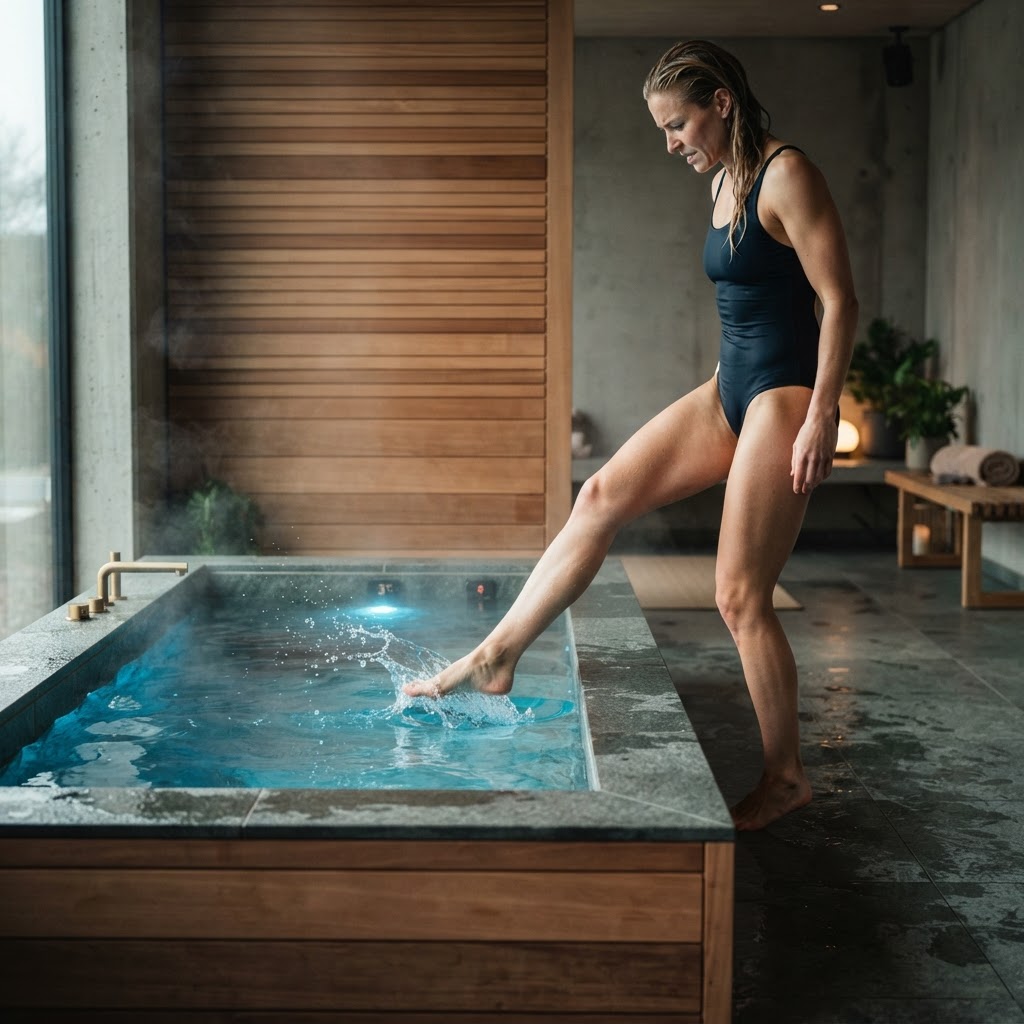
Have you noticed everyone talking about the cold plunge lately? From athletes to CEOs to your neighbor down the street, millions of people are stepping into freezing water on purpose. The cold plunge trend has exploded by over 3,700% in search interest, and the market is projected to hit 659.9 million dollars by 2033. But is this just another wellness fad, or does the science actually back it up?
Think about it this way. Your ancestors did not have heated pools or warm showers. They jumped into cold lakes and rivers because that was the only option. Now, we have made cold water a luxury we choose. That choice might be one of the best things you can do for your body.
Let us break down what a cold plunge really does to your body, what studies show, and how you can get started safely.
Why the Cold Plunge Trend Is Everywhere Right Now
Cold water therapy is nothing new. People have used cold water for healing for thousands of years. Ancient Greeks used cold baths for recovery. Spartan warriors trained in cold water to build toughness. Even Hippocrates, the father of medicine, prescribed cold water for certain conditions.
But something changed in the last few years. Social media made cold plunging go viral. Influencers started posting videos of themselves stepping into ice baths. Professional athletes shared their recovery routines. Suddenly, everyone wanted to try it.
The numbers tell the story. The global cold plunge tub market was valued at 354.6 million dollars in 2025 and is projected to reach 659.9 million dollars by 2033. That is a big jump. The cold plunge pools market is even bigger, expected to grow from 746.65 million dollars in 2024 to 1.13 billion dollars by 2032.
But why now? Three reasons. First, people are looking for natural ways to feel better without medication. The opioid crisis made people wary of pills, so they are turning to alternatives. Second, the wellness industry has embraced cold therapy as a cornerstone practice, putting it right up there with meditation and yoga. Third, affordable home cold plunge tubs have made it accessible to regular people, not just pro athletes.
The Social Media Effect
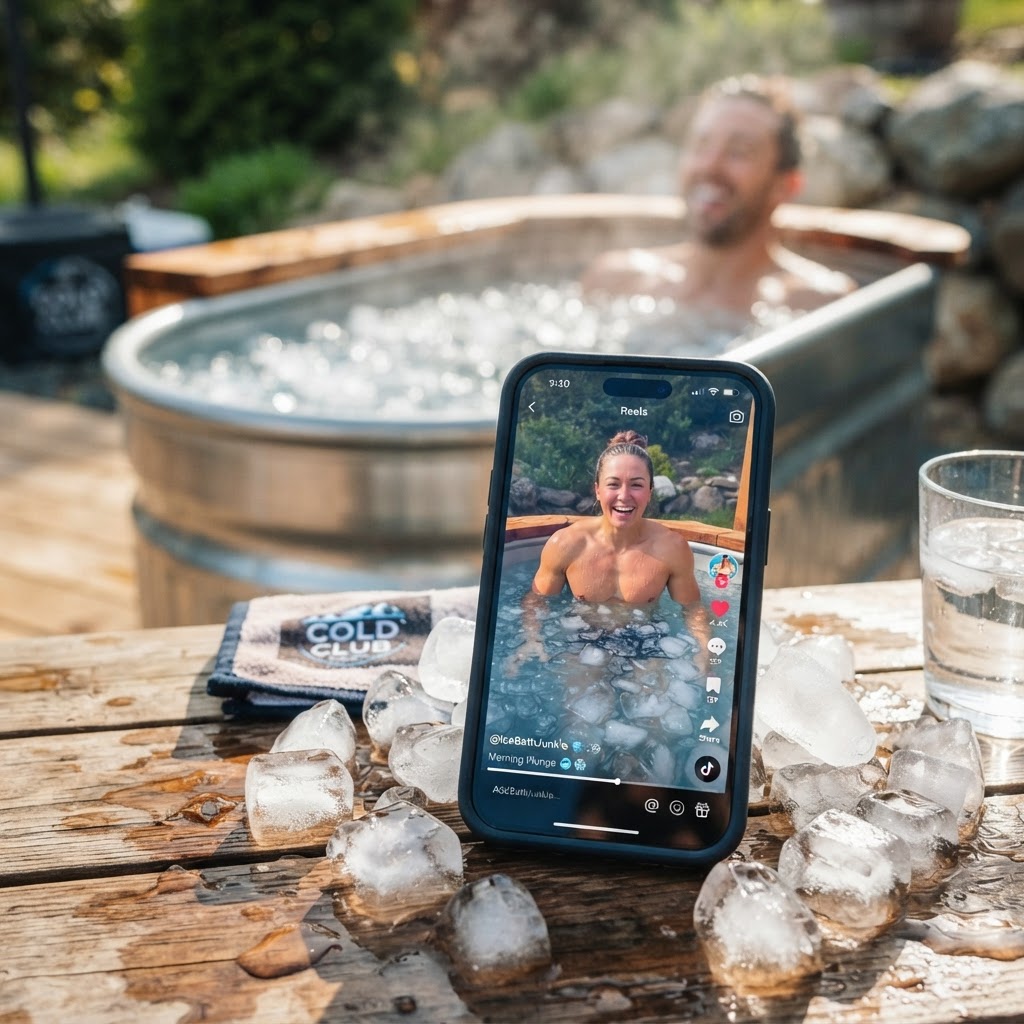
TikTok and Instagram turned cold plunging into a movement. Videos of people stepping into ice baths rack up millions of views. The shock on someone's face when they hit the water is real, and people love watching it. But beyond the entertainment, many share genuine stories of feeling better, sleeping deeper, and thinking clearer.
You see it everywhere now. Your favorite fitness influencer does a daily plunge. Your coworker just bought a tub for their garage. Even your aunt posted about trying cold water swimming at the local lake. The trend has gone mainstream, and it shows no signs of slowing down.
From Athletes to Everyday People
Professional athletes have used ice baths for decades to speed up recovery. LeBron James, Usain Bolt, and Cristiano Ronaldo have all used cold therapy. What is new is that regular people are adopting the practice. Companies now make affordable tubs for home use. You can even start with a simple stock tank and a bag of ice from the gas station.
The shift happened because cold plunge equipment got cheaper and more visible. Five years ago, a cold plunge tub cost 5,000 dollars or more. Now, you can find decent options for under 500 dollars. Some people just use their bathtub and ice. The barrier to entry has dropped to almost zero.
What Science Says About Cold Plunge Benefits

Here is where it gets interesting. The research on cold water immersion is growing fast. A major systematic review published in PLOS One in January 2025 found that cold water immersion delivers real, measurable effects on inflammation, stress, immunity, sleep quality, and overall quality of life.
This was not just one small study. The review analyzed multiple trials and found consistent patterns. The key finding was that cold water immersion delivers time-dependent effects. That means the benefits build up the more you do it, and they last beyond the moment you step out of the water.
Let us look at the specific benefits one by one.
Reduced Stress and Better Mood
Harvard research found that cold water immersions can reduce stress levels. The catch? The effect kicked in about 12 hours after immersion. So it is not instant relief, but the benefit is real and lasting.
Cold water also triggers a rush of noradrenaline and dopamine. These are your brain's feel-good chemicals. Studies show that cold exposure can increase dopamine levels by up to 250%. That is a massive boost, and it can last for hours after you get out of the water.
Think about that for a second. A 250% dopamine increase from just sitting in cold water for a few minutes. No pills, no supplements, no side effects. Just cold water.
Some researchers are even exploring cold water therapy as a treatment for depression. The cold shock activates your sympathetic nervous system and gives you a jolt that some people describe as a reset button for their mood. It is early research, but the results are promising enough that several studies are now underway.
Faster Muscle Recovery
This is the most well-known benefit, and it is why athletes do it. Cold water immersion reduces inflammation and muscle soreness after intense exercise. The cold constricts blood vessels, which helps flush out waste products like lactic acid.
A study from Mayo Clinic found that icy water has a positive effect on recovery after exercise by reducing inflammation and soreness. This is why you will see NBA players, marathon runners, and NFL teams all using cold plunge tubs.
But there is a twist. One 2015 study showed that cold water immersion immediately after resistance training can actually reduce muscle size and strength gains. So timing matters. If you are trying to build muscle, you might want to wait a few hours after your workout before plunging. The cold reduces the inflammation that triggers muscle growth, which is great for recovery but not so great for building.
Better Sleep
Here is a benefit that surprised researchers. Cold water immersion can improve sleep quality. Harvard's research found that men (but not women, interestingly) reported sleeping better after cold water immersions.
The theory is that cold exposure helps regulate your body's temperature rhythm. When you get out of cold water, your body warms up, and that warming process may help you fall asleep faster and sleep more deeply. Your body temperature naturally drops when you sleep, and cold exposure seems to help that process along.
Many cold plungers report that they sleep like a rock on days they plunge. Some say they fall asleep faster and wake up feeling more refreshed. While the research is still catching up, the anecdotal evidence is overwhelming.
Boosted Metabolism and Brown Fat
This one is fascinating. Regular cold exposure can increase brown fat activity by up to 45% and boost your metabolism by 16% during cold exposure sessions.
Brown fat is a special type of fat that actually burns calories to generate heat. Unlike regular white fat that stores energy, brown fat uses energy. Adults have small amounts of it, mainly around the neck and shoulders. Cold exposure activates it and can even increase the amount of brown fat in your body over time.
So while a cold plunge is not going to replace diet and exercise for weight loss, it does give your metabolism a genuine, measurable boost. Think of it as a small, natural metabolic enhancer that works while you sit in cold water.
Immune System Support
Research from a review of current studies found that cold water immersion can enhance immune function. Some studies have shown that regular cold water swimmers take fewer sick days and report fewer infections.
The mechanism is not fully understood, but researchers think cold exposure stimulates the production of white blood cells. It is like giving your immune system a small challenge that makes it stronger over time. Think of it like a workout for your immune system. Each cold plunge gives it a mild stress that triggers it to adapt and get stronger.
One study found that people who took regular cold showers took 29% fewer sick days than those who took warm showers. That is a significant difference from a simple habit change.
The Risks: What You Need to Know Before You Plunge
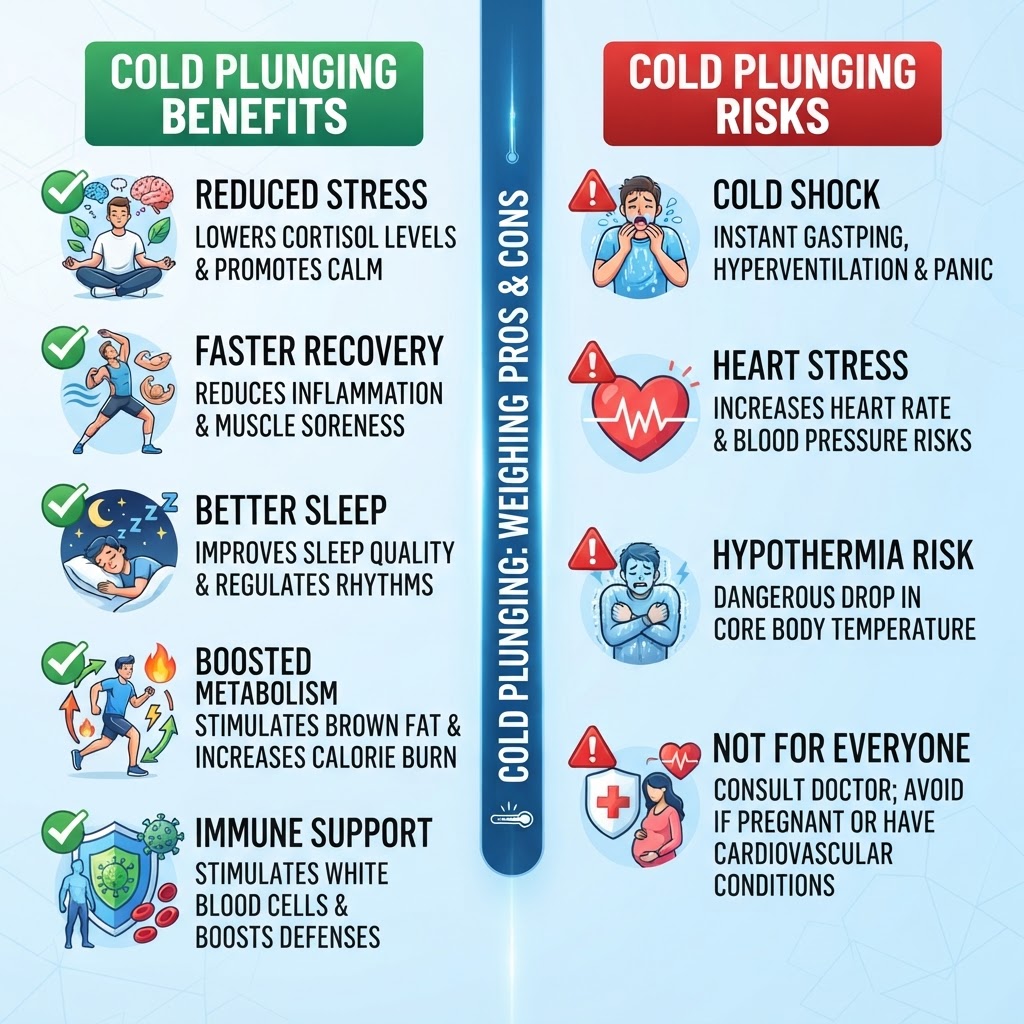
Before you jump into a tub of ice water, you need to know the risks. Cold plunging is not safe for everyone. The cold is a stressor, and like any stressor, too much too fast can cause harm.
Cold Shock Response
The National Center for Cold Water Safety warns that sudden immersion in water under 60 degrees Fahrenheit (15 degrees Celsius) can trigger a cold shock response. This includes a sudden spike in heart rate, rapid breathing, and a gasp reflex. In extreme cases, cold shock can be dangerous.
The gasp reflex is the most dangerous part. If your head goes under water when you gasp, you can inhale water. This is why you should never jump into cold water. The key is to enter the water slowly and control your breathing. Step in gradually, and focus on slow, deep breaths from the very first second.
Heart Risks
The American Heart Association cautions that cold plunges raise blood pressure and stress your heart. If you have heart disease, high blood pressure, or any cardiovascular condition, you should talk to your doctor before trying cold therapy. The cold causes your blood vessels to constrict, which temporarily raises blood pressure. For healthy people, this is fine. For people with heart conditions, it can be dangerous.
Who Should Avoid Cold Plunges
Certain people should skip cold plunging entirely. People with heart conditions or high blood pressure should avoid it. Anyone with circulation problems should not cold plunge. Pregnant women should skip it. People with Raynaud's disease should stay out of cold water. Anyone with nerve damage or numbness should avoid it too.
If you are not sure, ask your doctor. It is always better to check first. A two-minute conversation with your doctor can save you from a serious health problem.
Too Much of a Good Thing
Even for healthy people, staying in cold water too long can cause hypothermia, frostbite, and skin damage. The general rule is to keep sessions short, especially when you are starting out. Your body will tell you when it is time to get out. Listen to it.
Common signs you have been in too long include uncontrollable shivering, numbness that does not go away, blue or pale skin, confusion, and difficulty moving your fingers or toes. If you notice any of these, get out immediately and warm up slowly.
How to Start Cold Plunging: A Beginner's Guide

Ready to try it? Here is a simple, safe way to get started. The key is to start slow and build up gradually. Do not try to be a hero on day one.
Step 1: Pick the Right Temperature
For beginners, aim for water between 50 and 60 degrees Fahrenheit (10 to 15 degrees Celsius). Start at the warmer end (around 59 degrees) and work your way down over time. Experienced plungers go as cold as 37 to 45 degrees, but that takes months of practice.
You do not need to go freezing cold to get benefits. Research shows that water in the 50s gives you most of the benefits without the extreme shock. Going colder does not necessarily mean better results. It just means more discomfort and more risk.
Step 2: Start Short
Your first session should be just 30 seconds to 1 minute. That is it. You do not need to suffer. The goal is to let your body get used to the cold. Over time, you can build up to 2 to 5 minutes, and eventually up to 10 minutes for experienced plungers.
Here is a secret that most cold plunge enthusiasts will not tell you. The first 30 seconds are the hardest. After that, your body starts to adapt. The shock fades, your breathing settles, and you can actually relax. Most people find that minute two is easier than minute one.
Step 3: A 7-Day Progression Plan
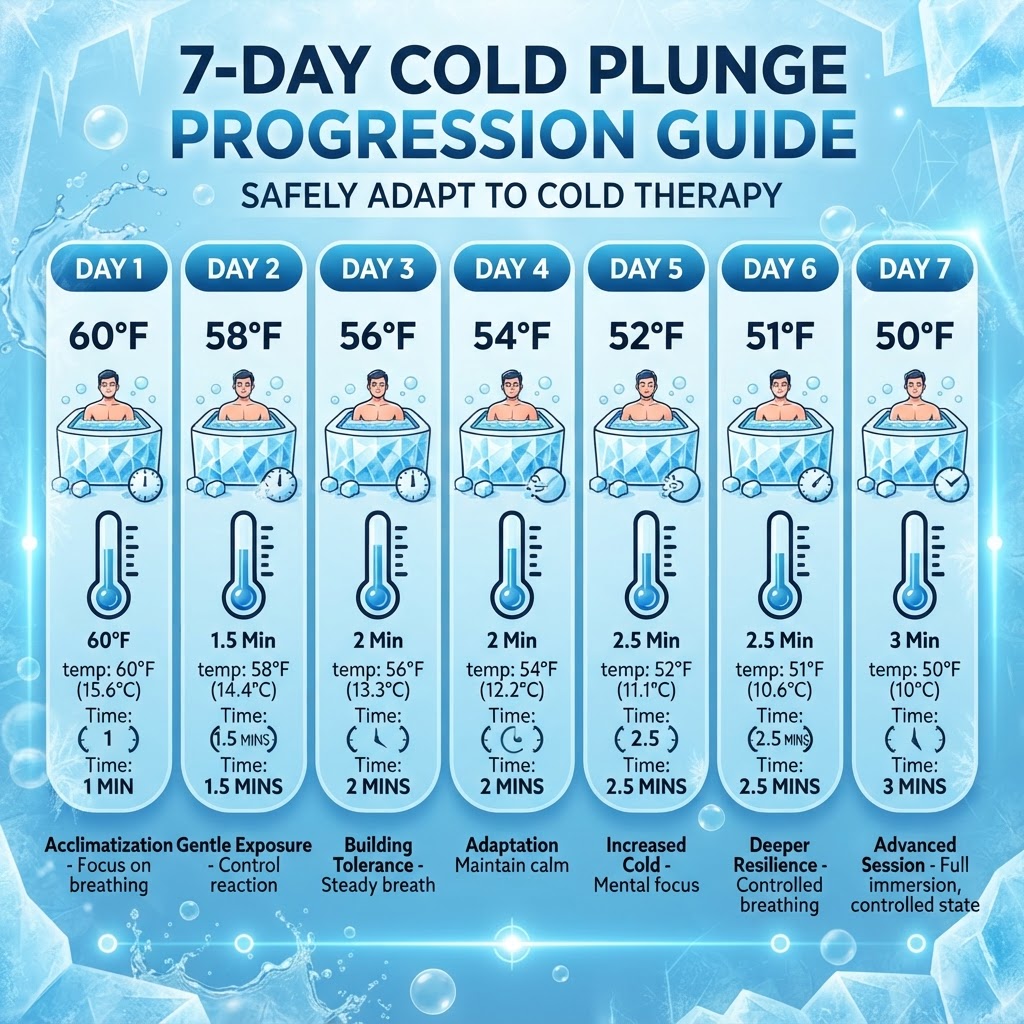
Here is a simple plan to ease into cold plunging. Days 1 and 2: 59 to 60 degrees for 1 to 2 minutes. Days 3 and 4: 55 to 57 degrees for 2 minutes. Days 5 and 6: 52 to 55 degrees for 2 to 3 minutes. Day 7: 50 degrees for 3 minutes.
Listen to your body. If you feel dizzy, get out. If your skin turns blue or you cannot stop shivering, you have been in too long. The goal is progress, not punishment.
Step 4: Control Your Breathing
The most important skill in cold plunging is breath control. When you first hit the cold water, your body will want to gasp. Do not. Take slow, deep breaths. Box breathing works well: inhale for 4 seconds, hold for 4, exhale for 4, hold for 4.
This breathing pattern calms your nervous system and tells your brain that you are safe. It takes practice, but once you master it, cold plunging becomes much easier. Some people find that the breathing practice is almost as beneficial as the cold itself.
Step 5: Warm Up After
Do not jump into a hot shower right after. Let your body warm up naturally. Put on warm clothes, drink something warm, and move around a bit. Your body will warm itself back up.
Jumping into a hot shower right after cold plunging can actually stress your cardiovascular system. The rapid swing from cold to hot can cause dizziness or even fainting. Let your body adjust slowly. This is part of the process.
Step 6: Be Consistent
The benefits of cold plunging come from regular practice. You do not need to do it every day. Three times a week is plenty for most people. Consistency matters more than intensity.
Think of it like exercise. One workout will not change your life, but three a week for months will. The same goes for cold plunging. The benefits stack up over time. People who plunge regularly for months report the biggest improvements in mood, sleep, and energy.
The Cost: Is It Worth It?
Cold plunging can cost anywhere from almost nothing to thousands of dollars. The good news is that you can start for free with what you already have.
Budget option (0 to 50 dollars): Fill your bathtub with cold water and add ice. Or use a stock tank from a farm supply store (30 to 50 dollars) with bags of ice. This is how many people start, and it works just fine. The cold does not care how much you spent on your tub.
Mid-range option (150 to 500 dollars): Portable cold plunge tubs with basic insulation. These work well but require you to add ice manually. They are bigger and more comfortable than a stock tank, and some come with covers to keep the cold in.
Premium option (2,000 to 10,000 dollars): Cold plunge tubs with built-in chillers that maintain a set temperature. Brands like Coldture, Plunge, and Morozko make popular models. These are convenient because you set the temperature once and the chiller keeps it cold. No ice needed.
You do not need expensive equipment to start. A bag of ice and your bathtub will do. The most important thing is just getting in the water. Many people start with the free option and upgrade later if they decide cold plunging is for them.
What the Future Holds for Cold Therapy
The cold plunge industry is growing fast. The cold plunge chiller market alone is projected to grow at 18.1% annually from 2024 to 2030. New products are hitting the market every month, from smart tubs with temperature control to portable plunges you can take anywhere.
Research is also expanding. Scientists are studying cold therapy for depression, autoimmune conditions, and even longevity. Some researchers think cold exposure may slow cellular aging by reducing inflammation and improving mitochondrial function. It is early, but the possibilities are exciting.
We may soon see cold plunge therapy recommended by doctors, not just wellness influencers. As the science gets stronger, cold therapy could move from the fringes to mainstream medicine. The day might come when your doctor prescribes a cold plunge instead of a pill.
The bottom line? Cold plunging is not a miracle cure. But it is not just hype either. The science shows real benefits for stress, recovery, sleep, and metabolism. If you are curious, there is no reason not to try it, as long as you start safely and listen to your body. Fill your tub with cold water, add some ice, and give it a shot. You might be surprised by how good it feels.
Speaking of emerging trends, just as silicon carbon batteries are revolutionizing energy storage, cold plunge therapy is revolutionizing personal wellness. And if you are exploring health trends, you might also enjoy reading about the fibermaxxing trend that went viral earlier this year.
Frequently Asked Questions
How long should a cold plunge last?
For beginners, start with 30 seconds to 1 minute in water around 59 degrees. As you build tolerance, you can extend to 2 to 5 minutes. Experienced plungers may stay up to 10 minutes, but most benefits come from short, regular sessions rather than long ones.
What temperature should a cold plunge be?
Beginners should aim for 50 to 60 degrees Fahrenheit (10 to 15 degrees Celsius). Start at the warmer end and gradually decrease over weeks. Experienced plungers go as cold as 37 to 45 degrees, but going too cold too fast increases the risk of cold shock and hypothermia.
Are cold plunges safe for everyone?
No. People with heart conditions, high blood pressure, circulation problems, or Raynaud's disease should avoid cold plunges. Pregnant women and anyone with nerve damage should also skip them. If you are unsure, talk to your doctor before starting.
Do cold plunges help with weight loss?
Cold exposure can boost metabolism by up to 16% and activate brown fat, which burns calories for heat. However, this effect is modest and will not replace diet and exercise. Think of it as a supplement to a healthy lifestyle, not a weight loss solution on its own.
Can I cold plunge every day?
You can, but three times per week is enough for most benefits. Daily plunging is not harmful for healthy people, but it is not necessary. Consistency matters more than frequency. Start with 2 to 3 times per week and adjust based on how you feel.
Should I cold plunge before or after a workout?
After your workout is best for recovery and reducing inflammation. But if you are trying to build muscle, wait a few hours after resistance training, as immediate cold immersion may reduce muscle gains. Before a workout, cold exposure can boost alertness and energy.


Comments
Post a Comment