Maine ICE Shooting Exposes Pattern of Fatal Police Errors
Maine ICE Shooting Exposes Pattern of Fatal Police Errors
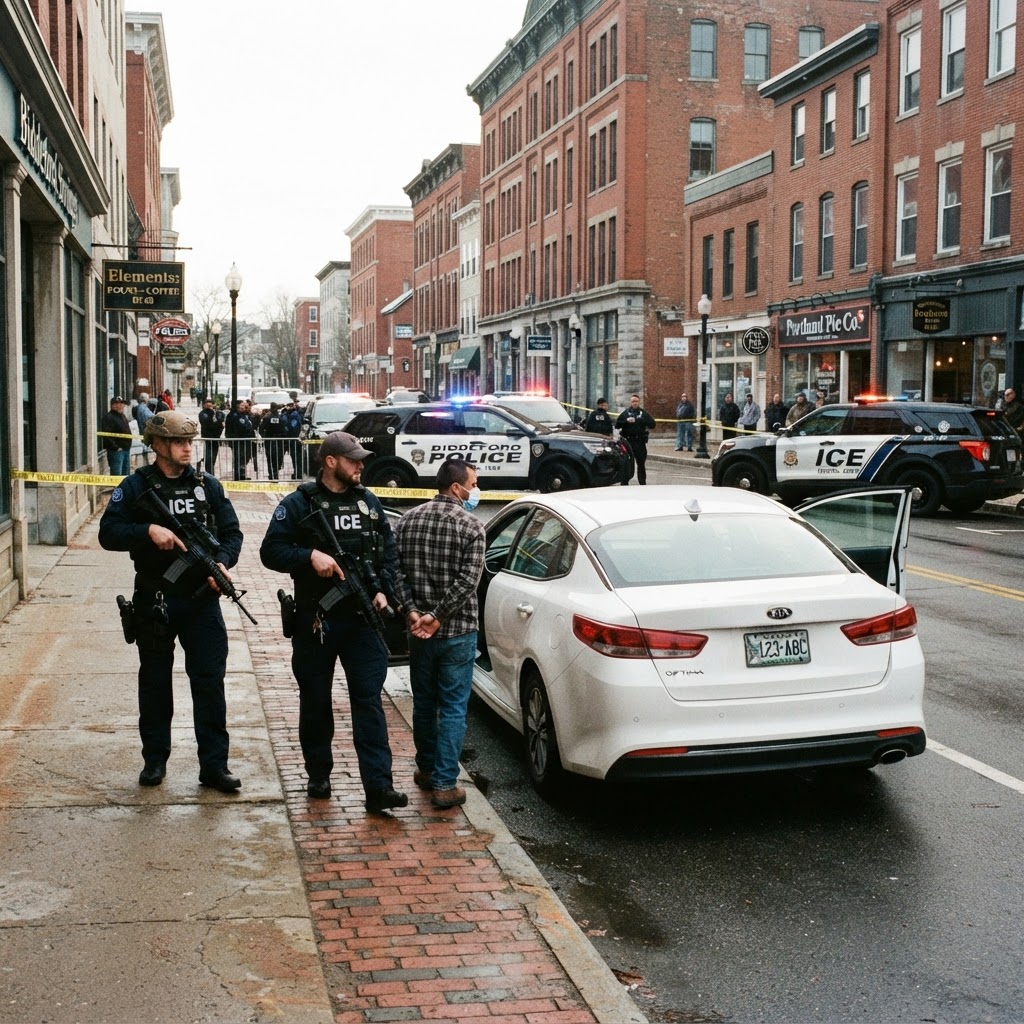
A 26-year-old Colombian delivery driver is dead after Immigration and Customs Enforcement agents shot him through his car window in Biddeford, Maine on Monday morning—in a case the government admits was a catastrophic case of mistaken identity. Johan Sebastián Durán Guerrero was not the person ICE was looking for, his wife and young daughter remain grief-stricken, and federal officials have just halted most vehicle stops nationwide in emergency damage control.
For the second time in a week, ICE has killed someone while searching for a completely different person. The pattern is no longer deniable.
Key Takeaways
- Durán Guerrero was shot and killed by ICE on July 14, 2026, but was not the target of the surveillance operation.
- This marks the second fatal shooting in a week where ICE killed the wrong person—the first being Lorenzo Salgado Araujo in Houston on July 7.
- Federal officials have suspended most vehicle stops by ICE agents nationwide following the shootings.
- Durán Guerrero was an authorized worker with a social security number, leaving questions about why he was targeted at all.
The Killing in Biddeford
At 7:17 a.m. on Monday, July 14, home security footage captured five gunshots as ICE agents fired at Durán Guerrero's white Kia sedan. The vehicle's windshield was shattered by bullets as the 26-year-old sat behind the wheel outside his family home in Biddeford, a small coastal Maine town. In interviews with CBS News, neighbors described what they heard and saw: multiple shots fired in quick succession, then the sound of an agent's SUV ramming Durán Guerrero's car to pin it in place.
The sequence unfolded over seconds. At 7:17 a.m., the gunshots. At 7:18 a.m., surveillance video shows the sedan slowing down as ICE agents approached from both sides. For about one minute, the video shows the wounded vehicle turning in circles as agents moved into position. At 7:19 a.m., the white ICE SUV pinned Guerrero's car, and agents pulled the wounded man out onto the pavement.
Witness Daniel Boucher, who heard the gunshots and observed the immediate aftermath, told CBS News: "I heard him say, 'I tried to stop.' I know that he was still cognizant because they told him to calm down. It's something that's horrific. You never forget that. You never forget the attitude of the ICE officers, too. And the ICE officer that shot him was in shock."
Durán Guerrero, a married father of a young daughter, died at the scene. His wife was inside the home. His daughter—still in pajamas—was watching the children's television program Bluey.
The Government's Admission of Mistaken Identity
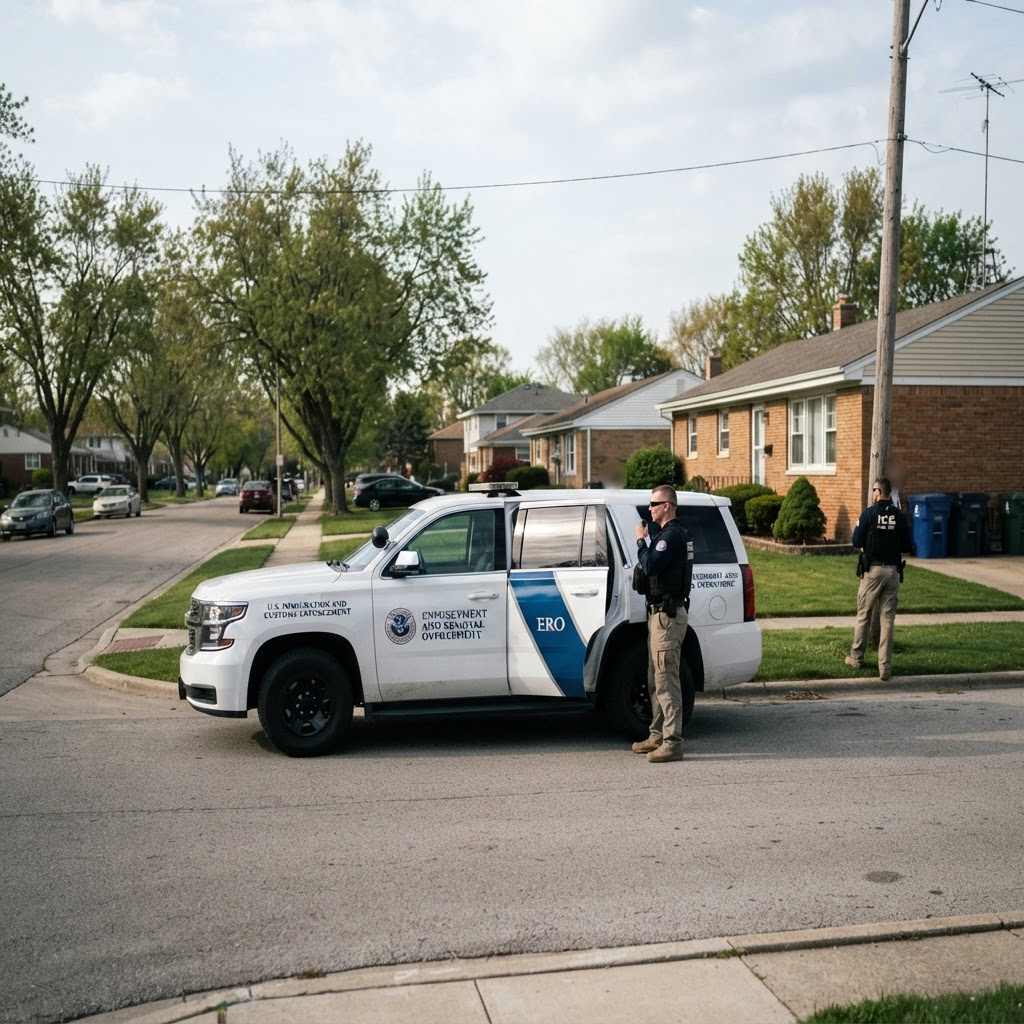
According to the Department of Homeland Security statement, ICE agents were conducting "targeted surveillance on the last known address of an illegal alien with a final order of removal." The operative word: surveillance of an address, not a person.
But here's the critical detail that demolishes DHS's narrative: Durán Guerrero was not that person. Senator Angus King's office confirmed it. Law enforcement sources told CBS News that Guerrero was not the target. Representative Chellie Pingree, a Maine Democrat, told the media she had "heard on good authority, though it's not been confirmed by DHS, that they perhaps shot the wrong person, that it was not the person they were going after."
In other words: ICE was staking out an address. A man who was not the target left that address in a car. ICE agents stopped him, and one of them opened fire.
Durán Guerrero, according to The Boston Globe, had a social security number and was authorized to work in the United States. He was a legal, tax-paying delivery driver. He was building a life for his family in Maine. He was not the person ICE was looking for, and by all available accounts, he posed no threat to anyone.
A Systemic Pattern Emerges in a Week
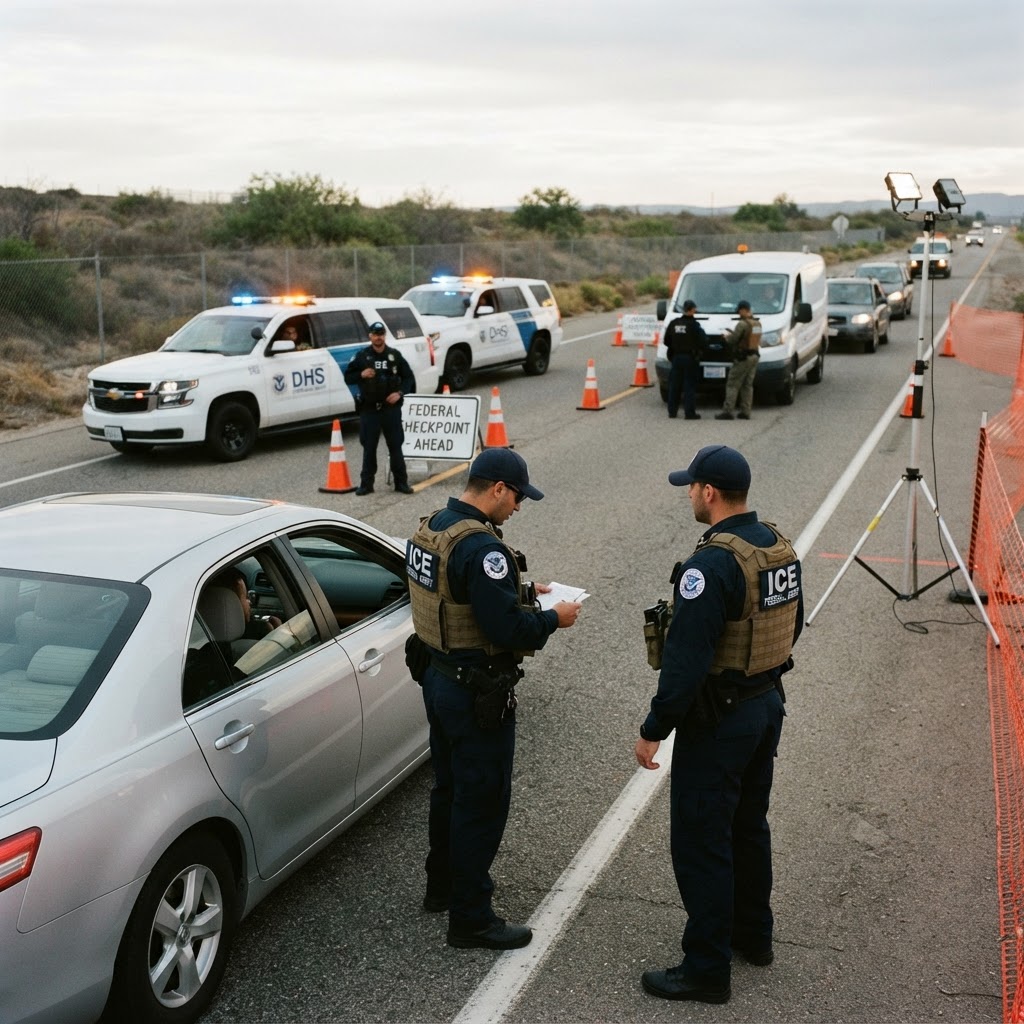
Durán Guerrero is not an isolated incident. That cannot be stressed enough. On July 7—exactly one week earlier—ICE agents in Houston, Texas fatally shot Lorenzo Salgado Araujo while searching for someone else. Like Durán Guerrero, Salgado Araujo was not the intended target. The government has now admitted both killings were tragic errors born from operational failures.
The timeline matters: two mistaken ICE shootings in seven days. Two fathers killed. Two families destroyed. Two investigations launched. And a federal government that has now tacitly admitted its enforcement apparatus cannot reliably distinguish between the person it is looking for and someone who merely happens to be nearby.
According to The Guardian, Durán Guerrero is the 11th person fatally shot by federal immigration officials since Trump took office in January 2025—a period of just over six months. He is the fifth of those 11 to be killed by ICE while driving a vehicle. Most alarmingly, he is the second in a single week to be shot while ICE was searching for someone else entirely.
The velocity of these failures suggests something more systematic than individual officer error or bad luck. When you kill the wrong person twice in a week, when you kill the wrong person five times out of 11 total shootings, it raises hard structural questions about training, protocols, target verification, and accountability inside ICE's operational hierarchy.
How ICE Vehicle Stops Are Supposed to Work (And Why They're Failing)
In theory, ICE vehicle stops during deportation operations are relatively controlled encounters. Agents identify a target address, conduct surveillance, and attempt to stop the vehicle once the target is believed to be inside or exiting. The problem, as the Durán Guerrero and Salgado Araujo cases make brutally clear, is that theory and practice have diverged catastrophically.
When ICE agents conducted surveillance on the address where Durán Guerrero lived, they were looking for someone else—someone with a final order of removal. But they did not confirm the identity of Durán Guerrero before firing. They did not approach the vehicle with a photograph or verification protocol. They saw a car leaving the address and opened fire.
This is not a failure of judgment. This is a failure of systems. And it is now fatal.
The ICE shooting of Salgado Araujo in Houston a week prior followed a similar script: agents looking for one person, shooting someone else. In that case, Salgado Araujo was driving a work crew to a construction site—a day laborer doing legitimate work—when ICE agents mistook him for the target of their operation. He too was shot and killed.
Two cases. Two mistaken identities. Two dead men who posed no actual threat to anyone. And now a nationwide halt of ICE vehicle stops ordered by the Trump administration itself.
The Federal Response: Emergency Brakes on ICE Operations
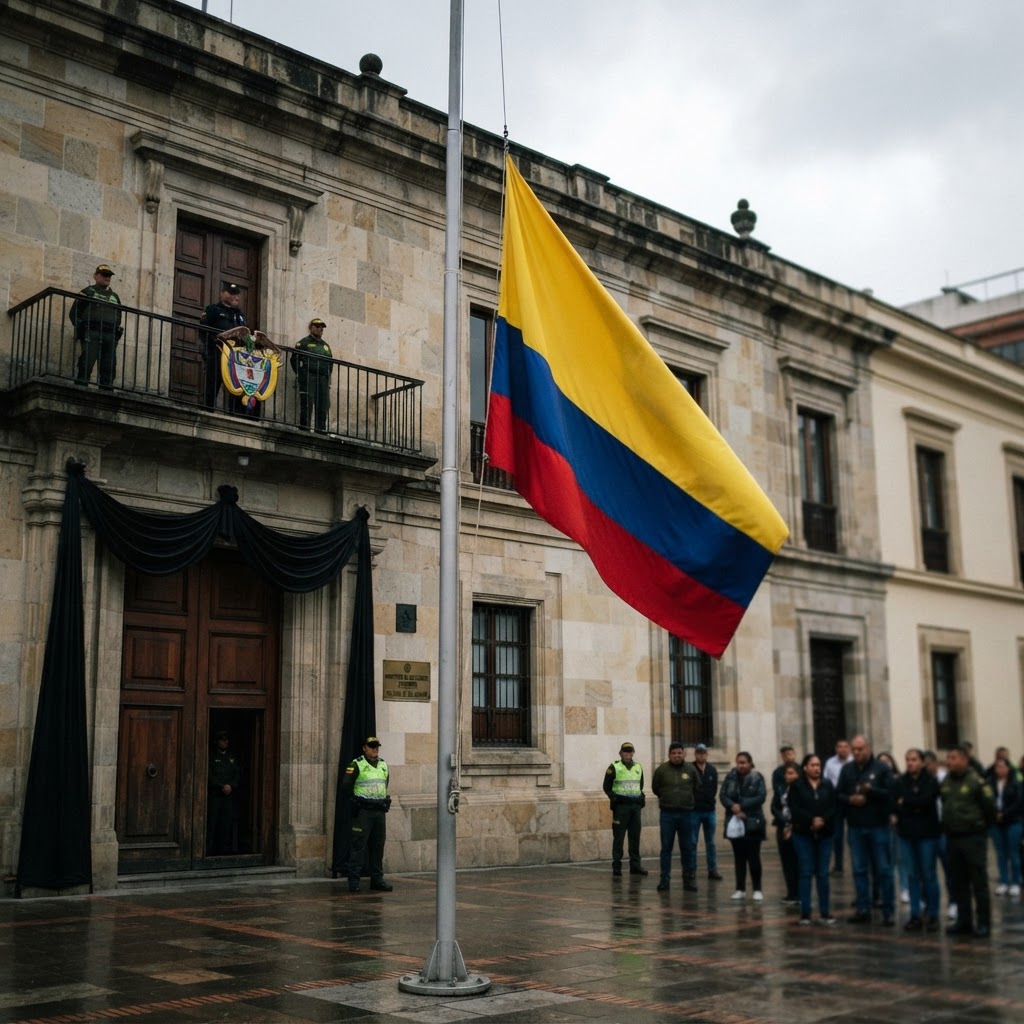
By Tuesday morning, the Trump administration responded to the Durán Guerrero killing and its echo of the Salgado Araujo case by ordering ICE agents to suspend most vehicle stops nationwide. According to federal sources cited by CBS News and other outlets, the suspension applies to ICE's Enforcement and Removal Operations (ERO), which handles civil immigration arrests and deportations. The directive explicitly does not apply to Homeland Security Investigations (HSI), which handles criminal immigration cases.
The language is important: federal officials framed this as a temporary "pause" to review procedures. White House Border Czar Tom Homan told reporters the decision was not a policy change, but rather "a necessary short-term pause just to look at it and make sure everything's good."
But let's be clear about what this means in plain language: the Trump administration, committed to aggressive immigration enforcement, has concluded that its own agency is too unsafe to conduct vehicle stops right now. This is not a rhetorical victory for immigration advocates. This is a catastrophic operational failure that the government has had to acknowledge in the form of a nationwide operational pause.
Even Republican Senator Susan Collins of Maine called the pause wise, telling reporters: "We still are waiting for the facts of this investigation. We don't know exactly what happened. But it would be wise for DHS to have a halt in non-urgent traffic stops until we get this straightened out."
Immigration rights groups characterized the move as a "good first baby step"—language that reveals how deep the crisis runs. A "first baby step" implies many more steps are necessary, many more reforms are coming, and the status quo before the pause was indefensible.
Questions Without Answers
The questions that now loom over ICE are impossible to ignore:
Why was Durán Guerrero targeted in the first place if he was not the subject of the warrant? The government was conducting surveillance on an address, not verifying occupants. This elementary failure—not confirming who is in the vehicle before firing—suggests ICE does not have basic operational protocols to prevent mistaken identity shootings.
Why did agents open fire when Durán Guerrero attempted to comply? Witness accounts and video footage show Durán Guerrero saying "I tried to stop." He was not armed. He did not pose a physical threat. Yet he was shot through his windshield. The justification from DHS—that agents feared for public safety—strains credulity when the "threat" was an unarmed delivery driver in a sedan.
Why did ICE kill the wrong person twice in one week? This is the larger systemic question. Is there a training deficiency? Are operational procedures inadequate? Is there insufficient oversight of use-of-force decisions? Or is the tempo of enforcement operations so aggressive that risk management has been abandoned in favor of speed?
How many other mistaken stops, injuries, or near-fatal encounters have gone unreported? Two deaths in a week made headlines. But how many other ICE stops have targeted the wrong people, terrified innocent people, or escalated unnecessarily without resulting in death? Those incidents rarely surface in the news.
Colombia's President Gustavo Petro issued a statement on X calling the shooting "the assassination of a Colombian, a Latin American, at the hands of the US government," and demanded that the Trump administration explain the killing. He also called for the U.S. to address the "persecution and exclusion against a population for ethnic and cultural reasons." The Colombian embassy requested "information and clarification" from DHS.
The diplomatic fallout is real. The operational questions remain unanswered. And for Durán Guerrero's family, no statement or investigation brings him home.
What Comes Next?
The Department of Homeland Security's Office of Inspector General will conduct an internal investigation into the shooting. The FBI and local Maine police responded to the scene. But internal investigations rarely result in accountability—they result in reports, findings, and administrative actions that the public never fully sees.
The nationwide pause on ICE vehicle stops will likely last only days or weeks while the administration claims to review procedures. A genuine overhaul of how ICE conducts enforcement operations would require sustained political will, congressional action, and a fundamental shift in the tempo of arrests and deportations.
None of that seems likely under the current administration. What seems more likely is that the pause ends, operations resume, and the underlying failures that killed Durán Guerrero and Salgado Araujo remain unaddressed. The next mistaken stop is waiting to happen. The only question is whether it ends in death again.
FAQ
Was Johan Sebastián Durán Guerrero the intended target of the ICE operation?
No. Government officials and law enforcement sources confirmed that Durán Guerrero was not the subject of the warrant. ICE agents were conducting surveillance on a different address looking for an unrelated person with a final order of removal. Durán Guerrero happened to live at or near that address.
Did Durán Guerrero have legal status to work in the United States?
Yes. According to news reports, immigration rights advocates, and accounts from people close to Durán Guerrero, he possessed a social security number and was authorized to work legally in the U.S. He worked as a delivery driver and had been living in Maine with his wife and young daughter.
How many people have been killed by ICE since Trump took office?
Durán Guerrero is the 11th person fatally shot by federal immigration officials since January 2025. He is the fifth killed by ICE while driving a vehicle, and the second in a single week to be shot while ICE was searching for someone else entirely.
What changes has the Trump administration announced in response?
The administration has ordered ICE agents to suspend most vehicle stops nationwide, described as a temporary pause to review procedures. However, federal officials have characterized this as a short-term review rather than a permanent policy change. The suspension applies to ICE's Enforcement and Removal Operations but not to Homeland Security Investigations.


Comments
Post a Comment