Silicon Carbon Batteries: The Next Power Revolution You Need to Know About
Silicon Carbon Batteries: The Next Power Revolution You Need to Know About
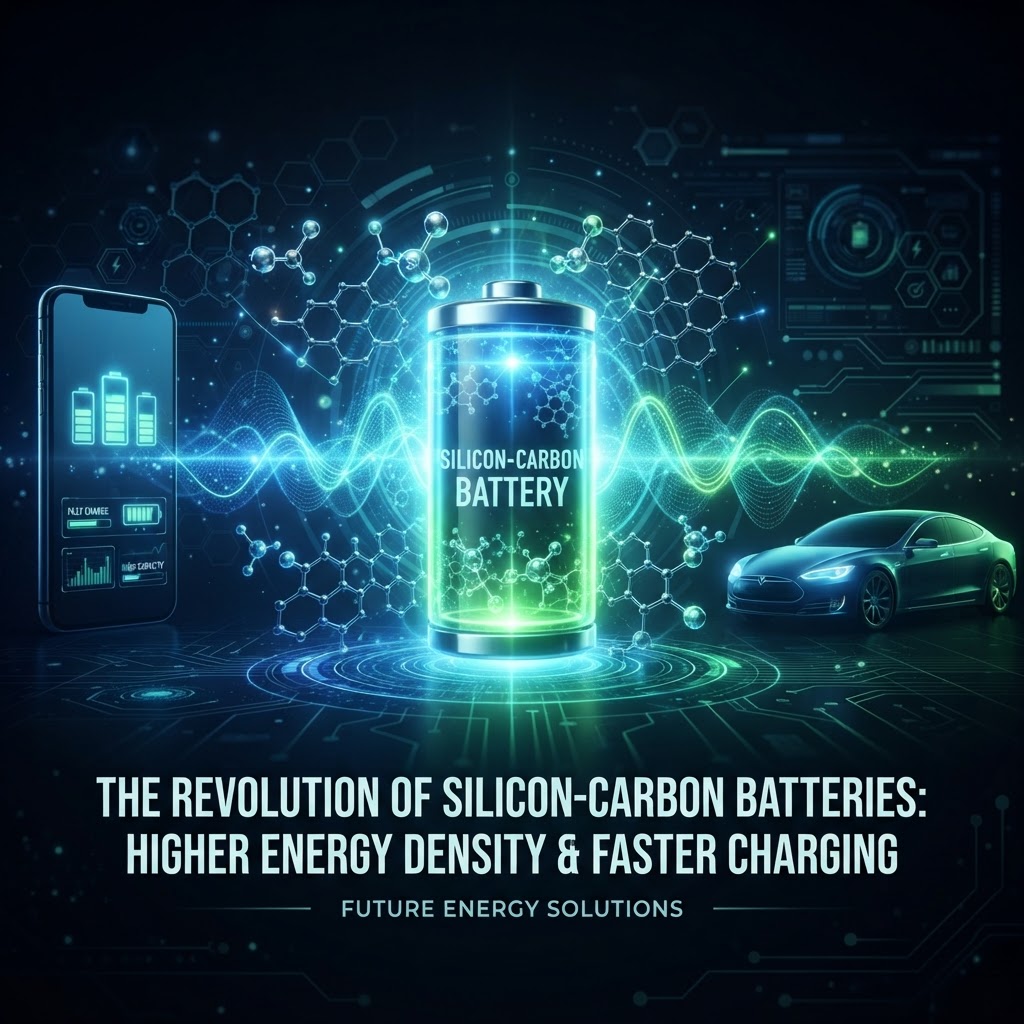
Imagine charging your phone in five minutes and having it last two days. Or driving an electric car 574 miles on a single charge. That future is not far away. It is being built right now with silicon carbon batteries. Silicon carbon batteries are the next big leap in energy storage. They are growing faster than almost any other tech trend in 2026.
Here is why that matters. Every device you own runs on a battery. Your phone, your laptop, your car, even your watch. For years, lithium-ion batteries have been the standard. But they are hitting their limits. They cannot hold much more energy. They take too long to charge. Silicon carbon batteries are here to change that. Let's break down what they are, why they are better, and what they mean for you.
What Are Silicon Carbon Batteries?
Let's start simple. A battery has two main parts. One part stores energy when the battery charges. The other part releases it when you use the battery. The storage part is called the anode. Most batteries today use graphite for the anode. Silicon carbon batteries use silicon instead.
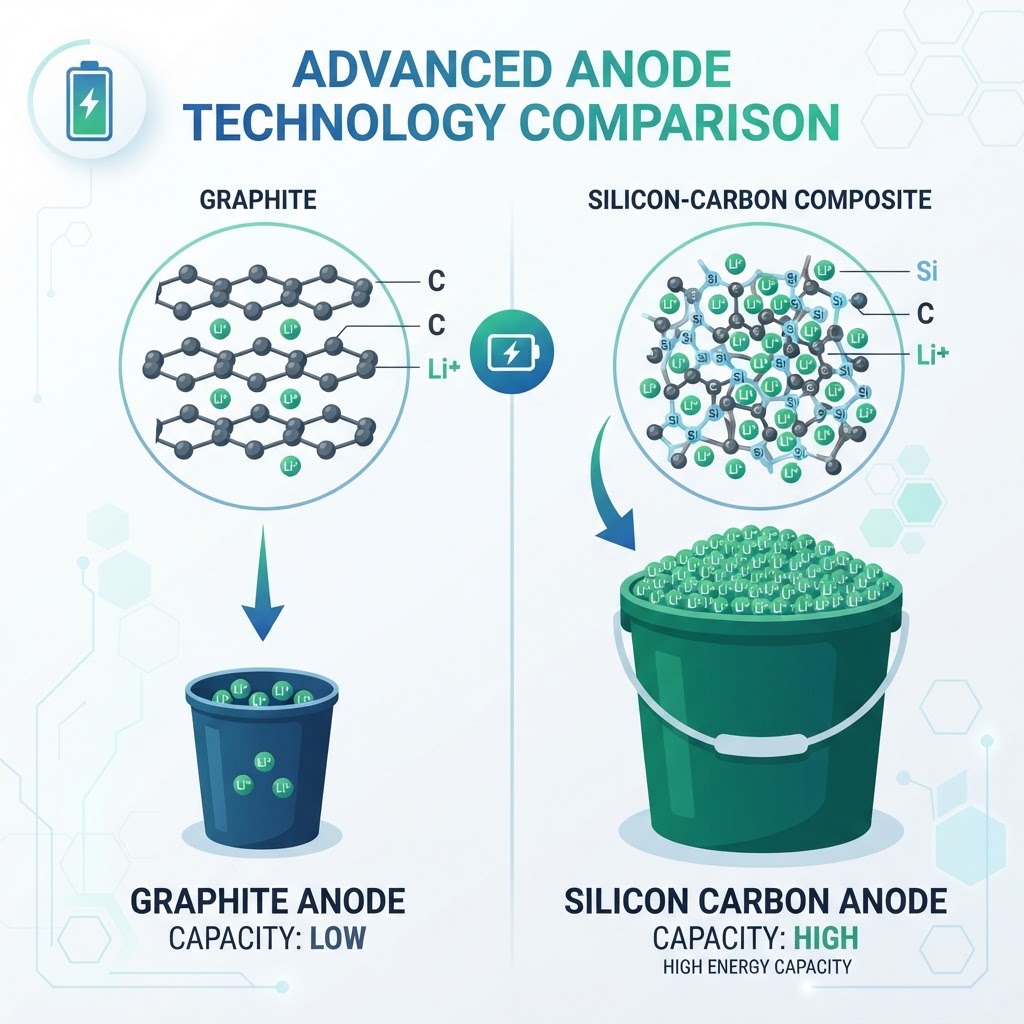
Why does that matter? Silicon can hold a lot more energy than graphite. Think about it like a bucket. Graphite is a small cup. Silicon is a big bucket. It can store about ten times more energy in the same space. That means a battery that lasts longer without getting bigger.
But there is a catch. Pure silicon has a problem. It expands when it charges. Think of a sponge soaking up water. It gets bigger. If a battery part swells too much, it cracks and stops working. That is where carbon comes in. By mixing silicon with carbon, engineers fix the swelling problem. The carbon acts like a frame. It holds the silicon in place. It lets the silicon store more energy without breaking apart.
This mix is the key to the whole technology. Without carbon, silicon anodes would crack after a few charges. With carbon, they stay strong for hundreds or even thousands of charges. That is what makes silicon carbon batteries real and not just a lab experiment.
Why They Beat Lithium-Ion
Now let's talk about why silicon carbon batteries are better than the lithium-ion batteries you use today. There are three big reasons.
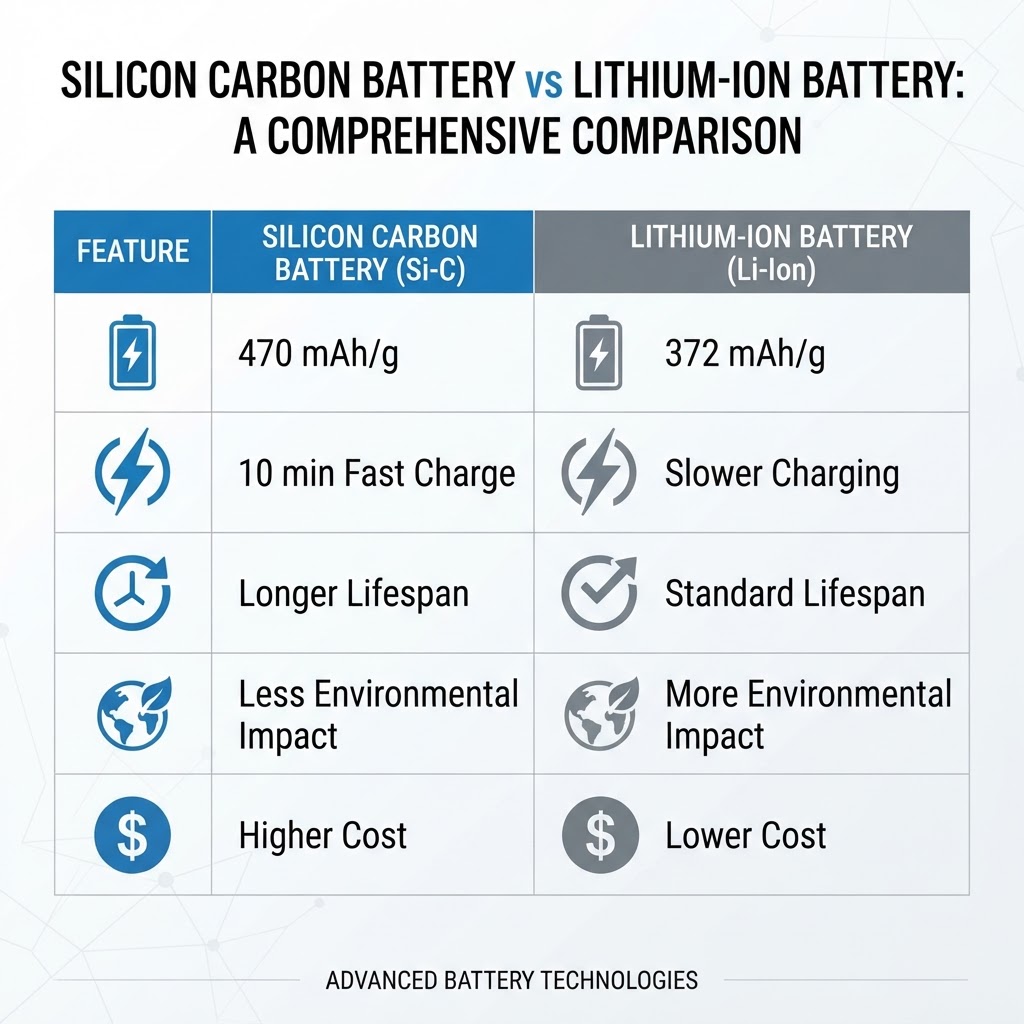
First, energy density. Silicon carbon batteries pack 470 milliamp-hours per gram. Standard lithium-ion batteries pack 372. That is about 10 to 20 percent more usable power in the same size. For you, that means longer battery life. Your phone stays on longer. Your car drives farther. And the battery does not get any bigger.
Second, charging speed. Silicon carbon batteries charge much faster than old ones. Some test versions can reach 80 percent charge in under 10 minutes. Think about that. You plug in your phone, grab a coffee, and it is nearly full. No more waiting hours for a charge.
Third, lifespan. Silicon carbon batteries last more charge cycles before they wear out. A charge cycle is one full charge and use. Old batteries lose about 20 percent of their capacity after 500 cycles. Silicon carbon batteries can handle more cycles before they fade. That means your battery stays strong for longer. You will not need to replace your phone battery after two years because it dies at 3 PM.
Here is a real example. Amprius Technologies makes silicon anode batteries. They tested them in electric cars. A car that gets 310 miles of range with a normal battery could go 574 miles with a silicon anode battery. That is almost double the range. Same size battery. Same car. Just a better battery inside. That changes everything for electric vehicles.
Let me give you another example. Think about your phone. Right now, you probably charge it every night. With a silicon carbon battery, you might only charge it every other day. Or even less. The battery holds more energy, so it lasts longer between charges. And when you do charge it, it fills up in minutes instead of hours.
The Numbers Behind the Battery Boom
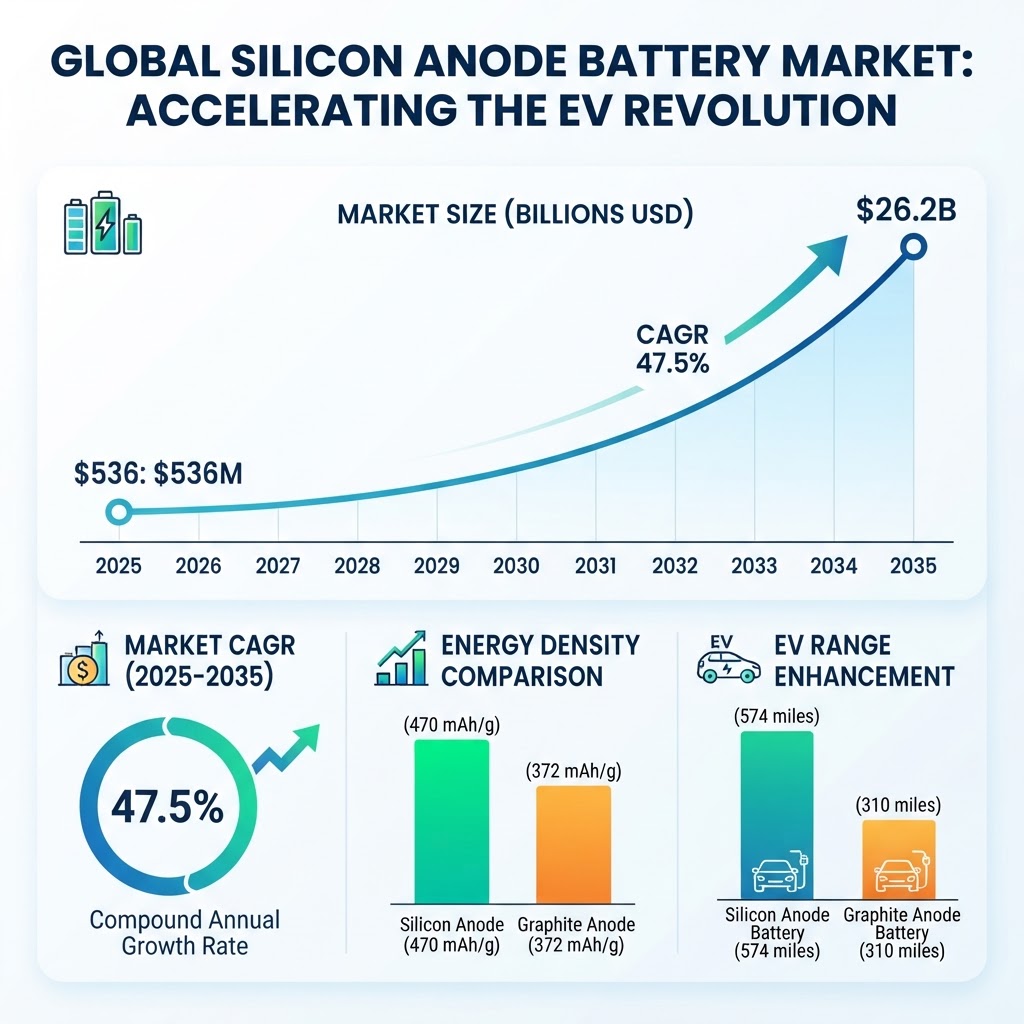
Let's look at the data. These numbers show why silicon carbon batteries are such a big deal.
The global silicon anode battery market was worth $536 million in 2025. By 2035, it is projected to hit $26.2 billion. That is a growth rate of 47.5 percent per year. You do not see numbers like that in many fields. This is one of the fastest-growing tech markets in the world.
Another research firm puts the 2026 market at $145.6 million. They project it to grow to $1.7 billion by 2033. The numbers differ between sources. But the story is the same. This market is growing fast.
IDTechEx is a leading research firm. They forecast the silicon anode market to pass $15 billion by 2035. That growth comes from demand. People want phones that last longer. Car buyers want EVs that go farther. Companies need batteries that charge faster. Silicon carbon delivers on all three.
EV battery use reached 1.2 terawatt-hours in 2025. That is up almost 30 percent from 2024. Electric cars are the biggest driver of battery work. Car companies need batteries that go far, charge fast, and last long. Silicon carbon does all three.
Silicon carbon batteries are also better for the planet. Silicon-based parts have less impact than graphite mining. Graphite mining can cause water pollution and habitat damage. Silicon is more common and easier to source cleanly. As more companies focus on green tech, this becomes a bigger plus.
How Silicon Carbon Batteries Are Made
Let's keep this simple. Making a silicon carbon battery is not easy. But the idea is clear. Engineers take silicon and mix it with carbon. The mix creates a stable part that holds more energy.
The silicon provides the energy storage. The carbon provides the structure. Together, they make an anode that holds more energy and does not crack. Think of it like building a house. The silicon is the furniture inside. The carbon is the walls that hold it all in place.
There are different ways to make this mix. Some companies use very tiny silicon bits. Others use silicon wires that are too small to see. Some coat the silicon with carbon. Others blend the two materials. Each method has good points and bad points. Some cost less but hold less energy. Others hold more energy but cost more.
The big challenge right now is cost. Silicon carbon batteries cost more to make than old ones. But costs are dropping fast as factories get better at making them. Within a few years, the price gap should shrink. When it does, silicon carbon becomes the go-to choice.
Where You Will See Silicon Carbon Batteries First
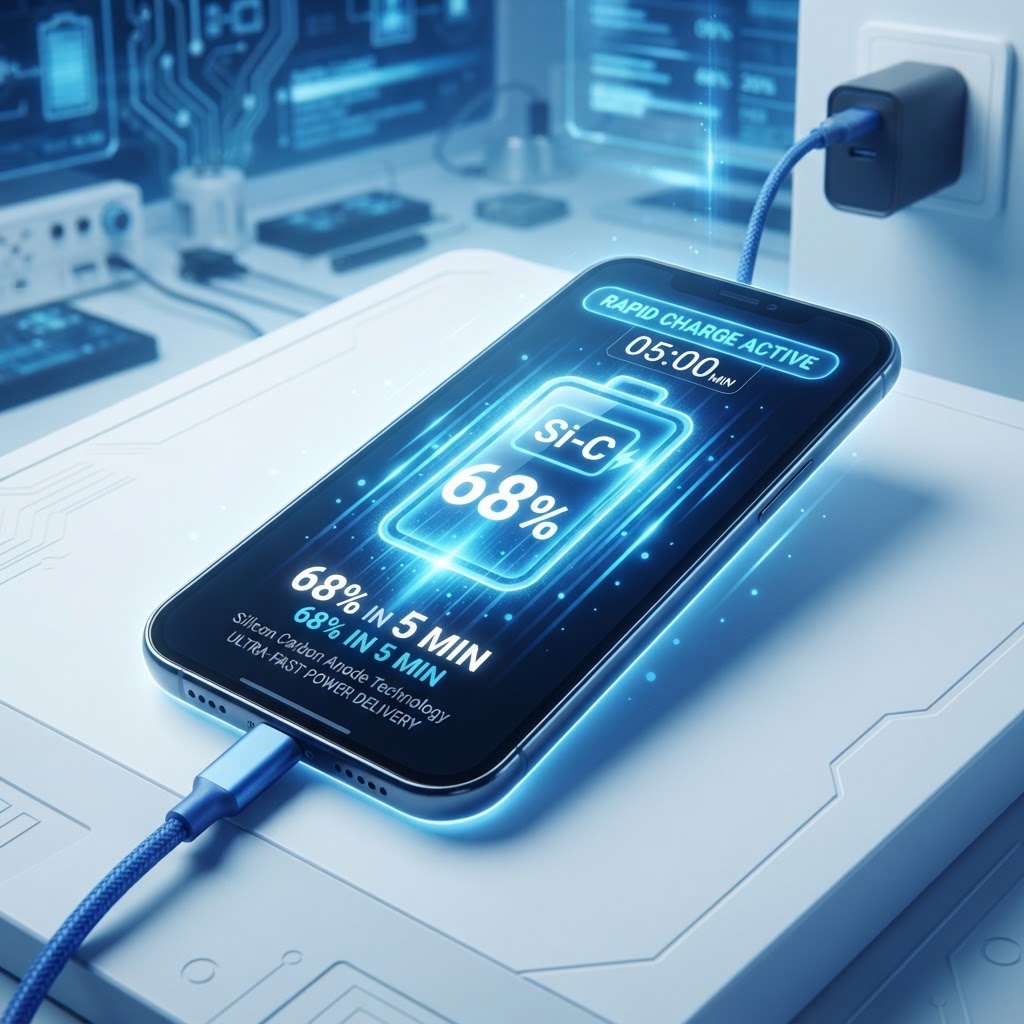
So when will you actually use one of these batteries? The answer is sooner than you think. Silicon carbon batteries are already in some products.
Phones are first. Some phone makers in China already use silicon carbon batteries. These phones charge faster and last longer than ones with old batteries. Expect more phone companies to follow in 2026 and 2027. The big brands are testing this tech right now.
Electric cars are next. Companies like Amprius are testing silicon anode batteries in EVs. The jump from 310 miles to 574 miles of range is huge. It could wipe out range anxiety. Range anxiety is the fear of running out of charge far from home. It is the top reason people avoid electric cars. Silicon carbon could end that fear for good.
Laptops and tablets will benefit too. More battery life means you can work longer without hunting for a plug. Faster charging means less time stuck near an outlet. For people who travel or work remotely, this is a big deal.
Drones and electric bikes are another early market. These devices need light batteries with high energy. Silicon carbon is a great fit. Expect longer flight times for drones and longer rides for e-bikes as this tech grows.
Wearables like smart watches will gain too. A watch with a silicon carbon battery could last a week instead of a day. That means fewer charges and more convenience. For people who forget to charge their watch, this is great news.
The Electric Vehicle Revolution
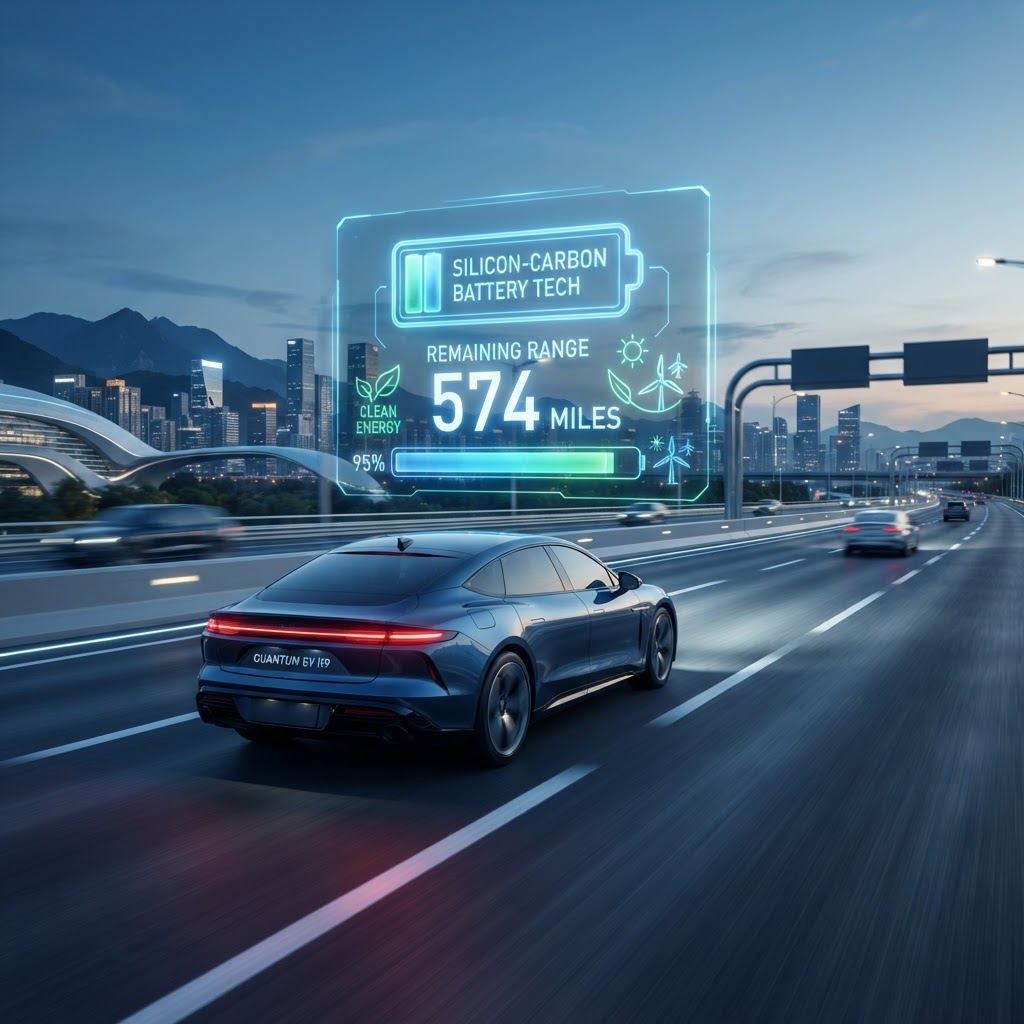
Let's talk more about electric cars. This is where silicon carbon batteries will have the biggest impact. Range anxiety is the number one reason people hesitate to buy an EV. If your car only goes 250 miles on a charge, you worry about long trips. You plan your route around charging stops. You stress about finding a plug.
But what if your car goes 574 miles? That worry goes away. You can drive all day without stopping to charge. Most people drive less than 40 miles a day. A 574-mile range means you could go two weeks without charging. That changes how people think about electric cars.
Charging speed matters too. Nobody wants to sit at a charging station for an hour. Silicon carbon batteries could cut that time to 10 or 15 minutes. That is about as long as a coffee break. If charging becomes that fast, electric cars become as easy as gas cars. You pull in, plug up, grab a drink, and go.
The auto industry is paying attention. Major car companies are spending billions on battery research. They know that the company with the best battery wins. Silicon carbon gives them a path to longer range, faster charging, and happier buyers. The race is on, and the prize is huge.
Practical Tips: What This Means for You
Here is what you should know as a buyer.
First, if you buy a new phone in late 2026 or 2027, look for ones with silicon carbon batteries. They will charge faster and last longer. The change is real. You will feel the difference in daily use.
Second, if you are thinking about an electric car, wait if you can. Silicon carbon battery tech is getting better fast. Cars with 500-plus miles of range are coming. If you buy now, you might feel out of date in two years. If you wait, you get a car that goes farther and charges faster.
Third, keep an eye on battery health. Silicon carbon batteries last more cycles, but they are still new. Real-world data will take time to build up. Read reviews and long-term tests before you buy.
Fourth, do not trust every battery claim. Some companies hype their numbers. Look for tests from people who do not work for the company. A battery that works in a lab might act differently in your pocket.
Fifth, think about the total cost. A device with a silicon carbon battery might cost more up front. But if the battery lasts twice as long, you save money over time. You will not need to replace the battery or the device as soon.
Challenges and What Is Still Being Solved
Let's be honest about the hard parts. Silicon carbon batteries are not perfect yet. There are real problems that engineers are still working on.
Cost is the biggest issue. Silicon carbon parts cost more to make than graphite ones. Until factories scale up, these batteries will cost more. That means phones and cars with them will have higher prices. But prices are dropping every year as more companies enter the space.
Durability is another question. Silicon swells when it charges. Even with carbon help, this stress can reduce battery life over time. Engineers are getting better at managing this. New designs use nano-sized silicon that swells less. But it is not fully solved yet.
Supply chain is a concern. High-purity silicon is not as easy to find as graphite. As demand grows, supply needs to keep up. If it does not, prices could stay high longer than expected. Companies are investing in new silicon sources to prevent this.
There is also competition. Solid-state batteries are another new tech that promises even better results. Some companies bet on solid-state instead of silicon carbon. It is possible both will win in different markets. But the race means silicon carbon needs to keep getting better to stay ahead.
What the Future Holds
So where is this going? The next five years will be exciting for battery tech. Silicon carbon batteries will get cheaper, better, and more common. By 2030, they could be the standard in most phones and many electric cars.
The market is growing at 47.5 percent per year. That kind of growth draws money, talent, and new ideas. Expect advances that make today's batteries look weak. Faster charging, longer life, and lower costs are all coming.
Energy storage is one of the biggest tests of our time. We need better batteries for phones, cars, homes, and the power grid. Silicon carbon is one part of the answer. But it is a big part. It could be the tech that makes electric cars normal and frees us from daily charging.
Think about what that means. No more charging your phone every night. No more worrying about your car running out of power. No more carrying a power bank everywhere you go. Silicon carbon batteries could make low-battery anxiety a thing of the past.
Here is the bottom line. Silicon carbon batteries are real. They work. And they are coming to your devices soon. The numbers do not lie. A market growing from $536 million to $26 billion is not a small trend. It is a change in how we power our lives. And it is happening right now.
Frequently Asked Questions
What are silicon carbon batteries?
Silicon carbon batteries use silicon and carbon in the anode instead of graphite. Silicon stores about ten times more energy than graphite. This gives the battery longer life and faster charging. The carbon stops the silicon from cracking when it swells during charging.
Are silicon carbon batteries better than lithium-ion?
Yes, in most ways. Silicon carbon batteries have 10 to 20 percent more energy density. They charge faster and last more charge cycles. They can almost double the range of an electric car. The main downside is cost, which is still higher than old batteries.
When will silicon carbon batteries be in phones?
Some phones in China already use silicon carbon batteries. Expect them in more phones in late 2026 and 2027. Major phone brands are testing the tech and getting ready to scale up production soon.
How much range do silicon carbon batteries add to electric cars?
Tests by Amprius show a car that gets 310 miles of range could reach 574 miles with a silicon anode battery. That is almost double the range from the same size battery. This could end range worry for EV buyers.
How much does the silicon anode battery market grow?
The market was worth $536 million in 2025. It is projected to reach $26.2 billion by 2035. That is a growth rate of 47.5 percent per year. Different firms have slightly different numbers, but all agree the growth is huge.
What are the downsides of silicon carbon batteries?
The main downsides are cost and wear. Silicon carbon parts cost more to make than graphite ones. The silicon also swells during charging, which can reduce battery life over time. Engineers are working on both issues. Costs are dropping as factories improve.


Comments
Post a Comment