US Produce Outbreaks: What the Lettuce and Jalapeño Alerts Mean
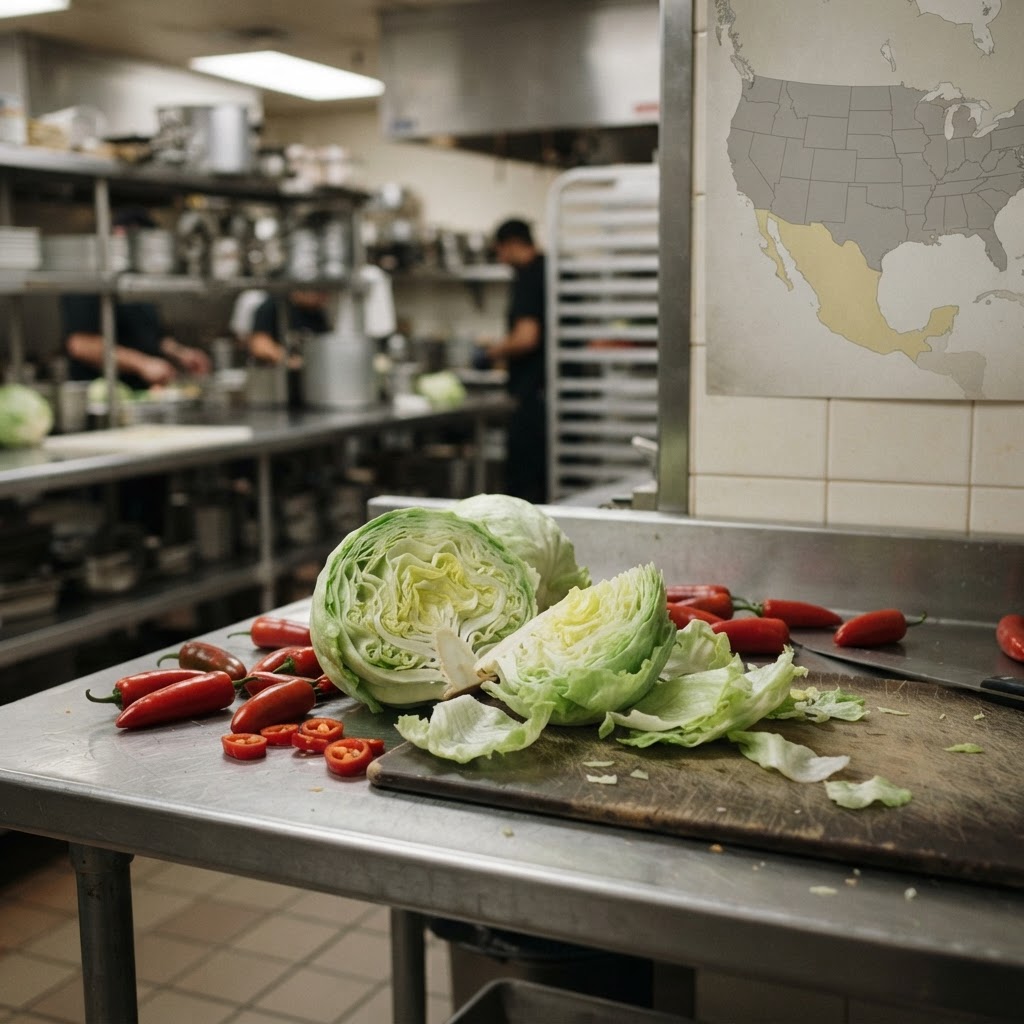
Two separate produce-linked outbreaks are putting U.S. food safety under a microscope in August 2026. Health officials say a multistate Cyclospora investigation has widened to 15 states, while a Salmonella outbreak tied to imported Mexican jalapeños has sickened 345 people in 27 states. The cases are not the same illness or the same product, but together they expose how a single ingredient can move through farms, processors, distributors and restaurant kitchens before investigators can connect it to sick customers.
Key takeaways
- The Cyclospora investigation has been linked by federal traceback work to shredded iceberg lettuce supplied by Taylor Farms de Mexico, with cases reported across 15 states.
- A separate Salmonella outbreak linked to jalapeños from Sinaloa has sickened 345 people, with 36 hospitalizations and no deaths reported in the latest update.
- Consumers should follow specific recall notices rather than stop eating all fresh produce; the risk depends on the recalled product, source and date.
- The events show why supply-chain transparency, rapid traceback and clear restaurant communication matter as much as inspections at the farm gate.
Why two produce outbreaks are being discussed together
Cyclospora and Salmonella are different hazards. Cyclospora is a parasite that can cause prolonged gastrointestinal illness, while Salmonella is a bacterium that commonly causes diarrhea, fever and stomach cramps. They also spread through different routes and require different public-health responses. The reason they are appearing in the same news cycle is more practical: both investigations involve fresh ingredients that were distributed across state lines and served through restaurant networks.
That distinction matters for consumers. A headline about a broad food-safety problem can make every bag of lettuce or every jalapeño look suspicious, even when regulators have identified a narrower product and distribution pathway. The CDC's outbreak investigation page and the FDA's investigation updates are the places to check for the latest official product guidance.
The Cyclospora investigation widened to 15 states
Cyclospora infections can be difficult to identify quickly because symptoms may begin days after exposure and can last for weeks without treatment. In the current investigation, federal and state officials used interviews with patients, restaurant exposure histories and traceback records to look for a common ingredient. The investigation converged on shredded iceberg lettuce supplied by Taylor Farms de Mexico, according to CDC and FDA updates cited by national reporting.
The scale is significant. A Reuters report said the probe had widened to 15 states, with Michigan accounting for a large share of reported cases. The number attached to an outbreak can change as laboratories confirm infections, states reconcile duplicate reports and patients are interviewed about meals eaten weeks earlier. That is why public-health agencies often describe case counts as a snapshot rather than a final total.
Officials have also connected the investigation to iceberg lettuce used at Taco Bell locations and to recalled products associated with the Mexican supplier. That does not mean every Taco Bell meal or every head of lettuce is unsafe. It means investigators found enough overlap in reported exposures and supply records to focus on a specific product pathway. The recall and discard instructions are designed to remove that pathway while the investigation continues.
What Cyclospora does to the body
Cyclospora typically affects the digestive system. Common symptoms include frequent watery diarrhea, stomach cramps, bloating, nausea, fatigue and loss of appetite. Some people improve and then relapse, which can make the illness feel unusually persistent. Children, older adults and people with weakened immune systems may be more vulnerable to dehydration and complications.
Anyone who develops persistent diarrhea after a possible exposure should contact a healthcare professional rather than trying to diagnose the infection from a news story. A laboratory test is needed to distinguish Cyclospora from other causes of gastrointestinal illness. Treatment is available, but the correct medicine depends on the diagnosis and a clinician's assessment.
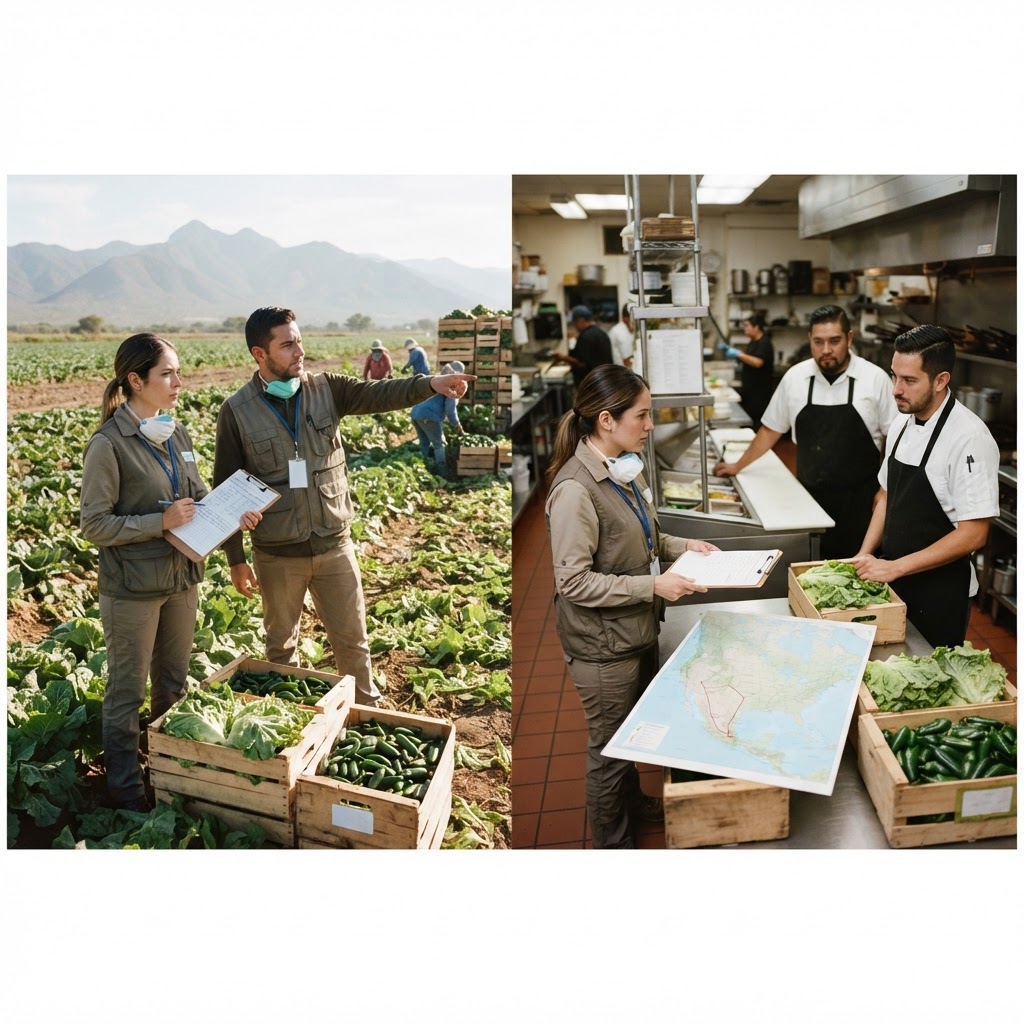
One reason fresh-produce investigations are challenging is timing. A person may eat lettuce in a restaurant, develop symptoms later, seek care after several more days and only then be asked about meals. By that point, the restaurant may have changed suppliers and the original product may be gone. Investigators therefore combine many imperfect clues: patient interviews, purchase records, distribution lists, product codes and laboratory typing.
A separate Salmonella outbreak points to Mexican jalapeños
The jalapeño investigation has a different profile. According to CNBC's report on the FDA and CDC update, 345 people in 27 states had been sickened, with 36 hospitalizations and no deaths reported in the latest figures. The illnesses began between June 19 and July 20, a window that helped investigators compare patient histories with distribution records.
Health agencies linked the outbreak to jalapeños from a common grower in Sinaloa, Mexico, imported and distributed in the United States by Coast Citrus Distributors. The product was sent to restaurants including Chipotle and QDOBA. The companies changed or stopped using the affected jalapeño supply in response to the investigation, and the distributor agreed to recall remaining product, according to the report.
The FDA said the distributor did not appear to have supplied the jalapeños directly to grocery stores and said it did not consider there to be a current ongoing risk from the named restaurant establishments. That language is important: a recall is usually about a defined product, lot or distribution route, not a declaration that an entire restaurant chain or an entire country of origin is unsafe.
How produce moves faster than an investigation
Fresh ingredients are sold on tight schedules. Lettuce may be harvested, cut, washed, packaged, shipped and served in a matter of days. Jalapeños can travel from a grower to a broker, distributor, restaurant warehouse and individual location through several contracts. Each handoff creates records, but the records may use different product descriptions, codes and dates.
Restaurants add another layer. One supplier may serve hundreds of locations, while each kitchen may receive multiple deliveries during a week. A restaurant can remove an ingredient from service after a notice, but a customer may already have eaten it, and a leftover container may not carry the same identifying information as the original shipping case.
Traceback investigators are effectively reconstructing a moving puzzle. They start with patients who share a genetic or laboratory pattern, ask what they ate, find common restaurants or ingredients, then work backward through invoices and shipping records. If the same supplier appears repeatedly, investigators can narrow the search. If product is no longer available for testing, epidemiological evidence may carry more weight than a positive sample.
The current cases also show why a negative test does not automatically erase concern. Parasites and bacteria may be unevenly distributed, and contaminated food may have been discarded before inspectors arrive. Regulators can act on a combination of exposure data, traceback convergence and illness patterns even when a sample from the final product is not positive.
What restaurants are doing differently
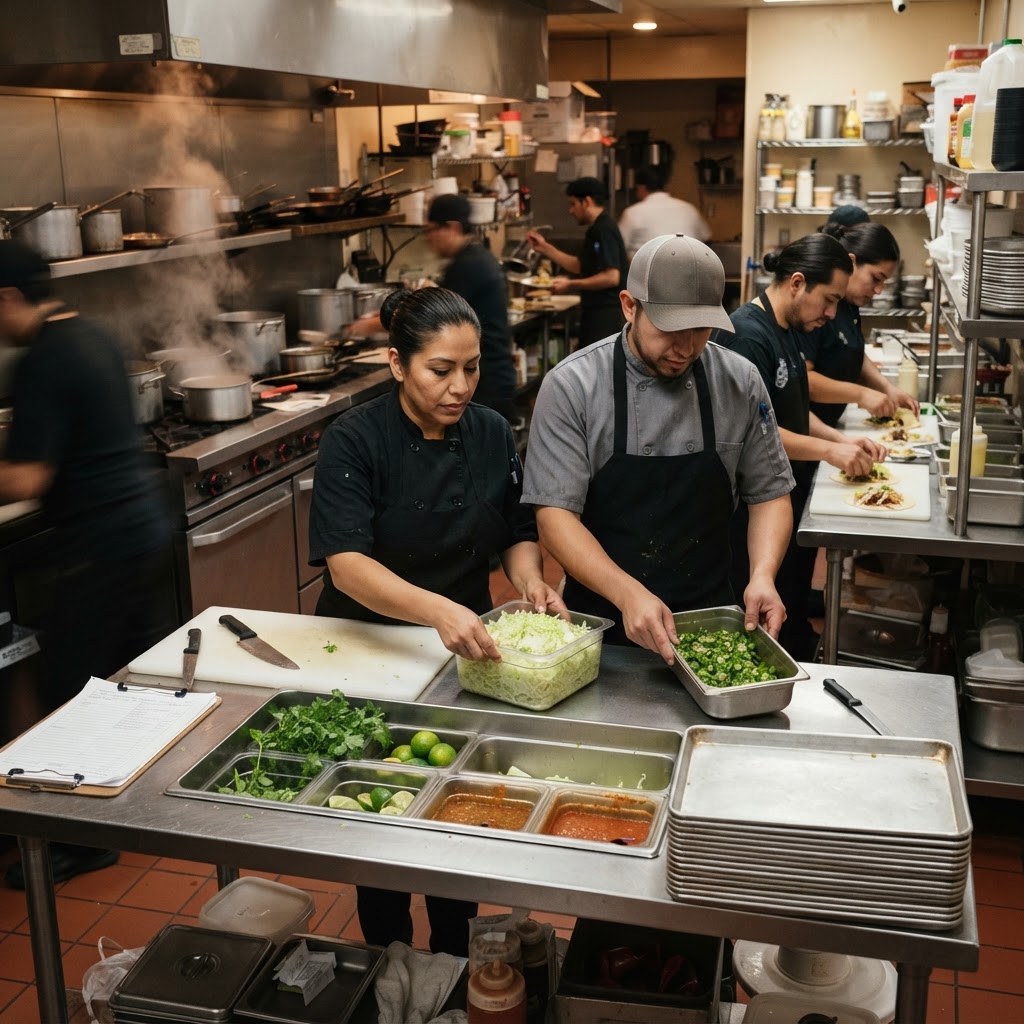
Restaurant operators respond to an outbreak by stopping use of a specific ingredient, checking inventory, cleaning preparation areas and contacting suppliers. They may also switch vendors temporarily. Those steps can disrupt menus and sales, but they reduce the chance that a recalled product remains in circulation.
For large chains, the response is centralized but the execution happens locally. A corporate alert must reach every restaurant, every shift and every prep station. Managers have to identify the product, separate it from safe stock, document disposal and make sure replacement ingredients are not mixed with the recalled supply. A small breakdown in that chain can undermine an otherwise fast response.
Customers should not interpret a temporary menu change as proof that a restaurant caused an outbreak. Restaurants are often the visible end of a supply chain whose earlier stages are far from the customer. At the same time, transparency helps: clear notices, specific product information and prompt answers are more useful than vague statements that simply say an issue is being investigated.
What consumers should do right now
The safest approach is targeted caution. Check official CDC and FDA notices for the product name, supplier, dates, lot codes and affected states. If you have a recalled item, do not eat it, sell it or serve it. Follow the notice's instructions for disposal or return, and clean surfaces that may have touched the product.
Do not rely on smell or appearance. Food contaminated with Salmonella or Cyclospora may look and smell normal. Washing a recalled product does not make it safe, and rinsing raw produce can spread contamination around a sink or counter. For produce that is not part of a recall, wash it under running water and keep raw ingredients separate from foods that are ready to eat.
Pay attention to symptoms. Salmonella can cause diarrhea, fever and abdominal cramps. Cyclospora can cause watery diarrhea, fatigue, nausea, bloating and weight loss, sometimes with symptoms that return. Seek medical advice for severe or persistent symptoms, signs of dehydration, bloody diarrhea, high fever or illness in a young child, older adult or immunocompromised person.

The larger food-safety lesson
These outbreaks are not just stories about lettuce and peppers. They are tests of how quickly a modern food system can identify a problem and communicate it. The system has to connect clinical laboratories, state health departments, federal regulators, farms, processors, distributors and restaurants. If one link is slow or opaque, people can remain exposed while officials are still assembling the evidence.
The cases also raise a difficult balance between public warnings and economic harm. Naming a supplier or restaurant can help consumers avoid an active risk, but incomplete information can unfairly damage businesses and frighten people away from safe foods. The best notices are precise: they explain what is known, what is not known, which products are covered and what consumers should do.
Supply-chain transparency is likely to become more important as produce travels farther and restaurants depend on centralized preparation. Better digital records could make it easier to identify a product's route within hours rather than days. But technology cannot replace basic hygiene, worker training, reliable refrigeration and a culture in which employees can report problems without fear.
Frequently asked questions
Is the Cyclospora outbreak the same as the Salmonella outbreak?
No. They involve different pathogens and different foods. The Cyclospora investigation has focused on shredded iceberg lettuce, while the Salmonella investigation has focused on imported jalapeños from Sinaloa.
Are all lettuce and jalapeños unsafe to eat?
No. Current warnings concern specific recalled products and supply routes. Consumers should check the latest FDA and CDC notices instead of avoiding all fresh produce.
What are the symptoms of Cyclospora?
Symptoms can include watery diarrhea, stomach cramps, bloating, nausea, fatigue and loss of appetite. Persistent or recurring symptoms should be discussed with a healthcare professional.
What should I do if I ate a recalled product?
Monitor your health and contact a clinician if symptoms develop, especially if they are severe or persistent. Do not eat any remaining recalled product, and follow official recall instructions for disposal.
Conclusion
The 2026 produce investigations are a reminder that food-safety news can change quickly, but the practical advice is steady: follow specific recalls, take persistent symptoms seriously and use primary public-health updates rather than social-media guesses. For restaurants and regulators, the goal is not only to find the source after people get sick; it is to make the next traceback faster, clearer and more accountable.
As officials continue updating case counts and product guidance, bookmark the CDC Cyclospora outbreak page and check the FDA's food-recall notices before sharing claims about a particular restaurant or ingredient.


Comments
Post a Comment