Super El Nino 2026: Why the Monsoon Is Weakening and Drought Threats Are Rising Across South Asia
Super El Nino 2026: Why the Monsoon Is Weakening and Drought Threats Are Rising Across South Asia
El Nino is back. And not just any El Nino — scientists are calling this one a "super" event that could be the strongest we have seen this century. If you live in Pakistan, India, or anywhere across South Asia, that matters to you because it directly affects the monsoon rains your crops, your water supply, and your daily weather depend on.
I have been reading through the latest weather reports and forecasts from multiple agencies, and honestly, the picture is not looking great. The 2026 southwest monsoon is already weakening, rainfall deficits are climbing, and some experts are putting the chance of drought at 70 percent for September. Let me break down what is happening and what it means for you.
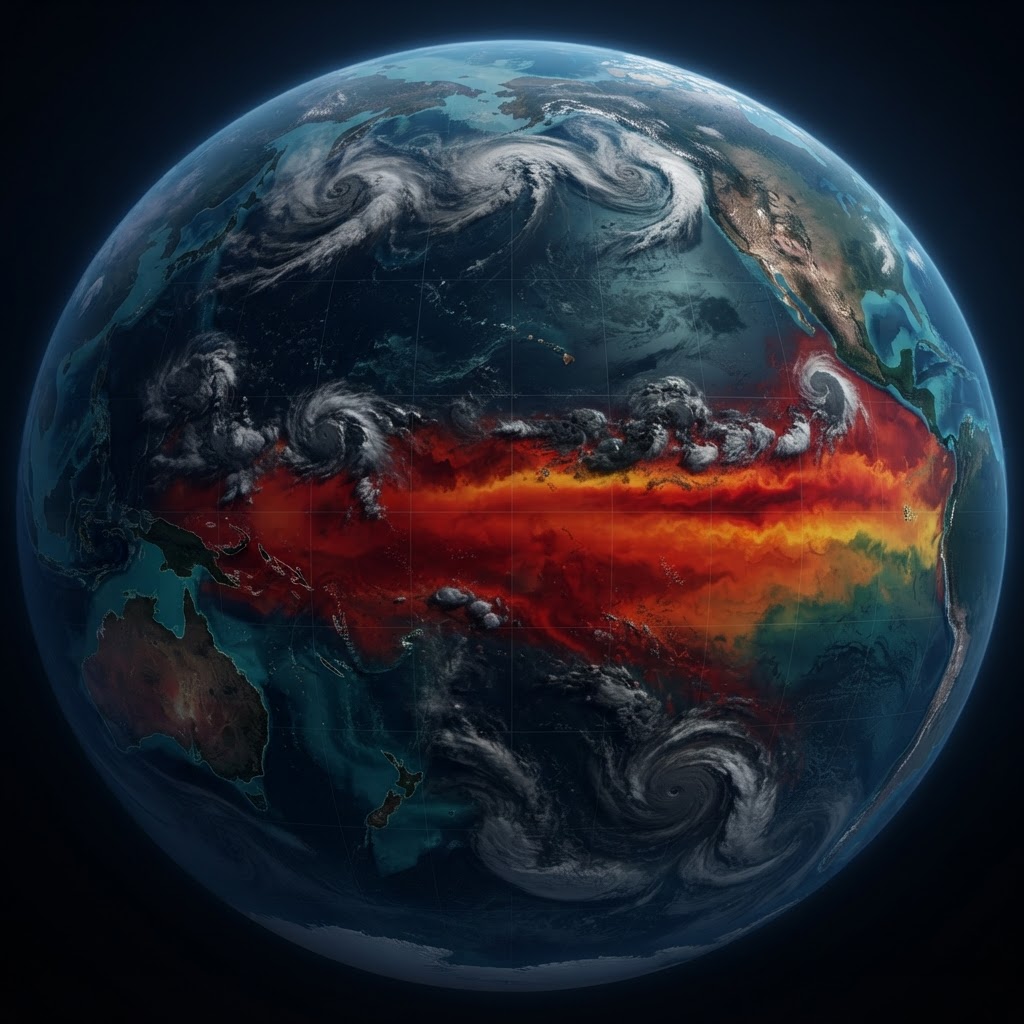
What Is El Nino and Why Is 2026 Different?
El Nino is a weather pattern that shows up in the Pacific Ocean every two to seven years. Normally, trade winds push warm water from South America toward Southeast Asia. But during an El Nino, those winds slow down or even reverse. The warm water shifts back east toward the Americas, and that one change messes with weather systems all over the planet.
Here is what makes 2026 different. The National Oceanic and Atmospheric Administration (NOAA) says Pacific surface temperatures have jumped by more than 2 degrees Celsius. That threshold puts this event in the "very strong" category. Some scientists are already calling it a "super El Nino," though the World Meteorological Organization prefers not to use that label. Either way, the numbers do not lie — this is a big one.
The last El Nino happened in 2023 and 2024. It was one of the five strongest ever recorded, and it helped make 2024 the hottest year in history. The one building right now could be even bigger.
The Historical Context: Why This Should Worry You
If you want to understand how bad a strong El Nino can get, look back at 1877. One of the most powerful El Ninos ever recorded caused historic droughts across Asia, Brazil, and northern Africa. The resulting famines, combined with colonial policies, killed upward of 50 million people. That number is humbling to even think about.
Now, obviously, we are not in 1877 anymore. We have better forecasting, irrigation systems, and global food supply chains. But the basic mechanism has not changed. When the monsoon fails, crops fail. When crops fail, food prices go up. And when food prices go up, the people who suffer most are the ones who were already struggling.
Monsoon Weakening: The Numbers Are Alarming
Let me walk you through the data, because the data tells the story better than I can.
Skymet Weather, a private forecasting agency, has cut its 2026 monsoon forecast to 85 percent of the Long Period Average (LPA). For context, anything below 90 percent is considered deficient. They are now putting the probability of below-normal rainfall at 60 percent for August and 70 percent for September.
September is projected to be the weakest month of the season, with rainfall expected at just 89 percent of normal. India's cumulative rainfall since June 1 is already 13 percent below normal. And the Pakistan Meteorological Department (PMD) has been saying the same thing — monsoon currents remained weak through the first week of August, and overall rainfall is staying below normal for August standards.
What does that mean in plain terms? It means the rain you are supposed to get this time of year is not showing up. And the longer that goes on, the worse it gets for farms, reservoirs, and water supplies.
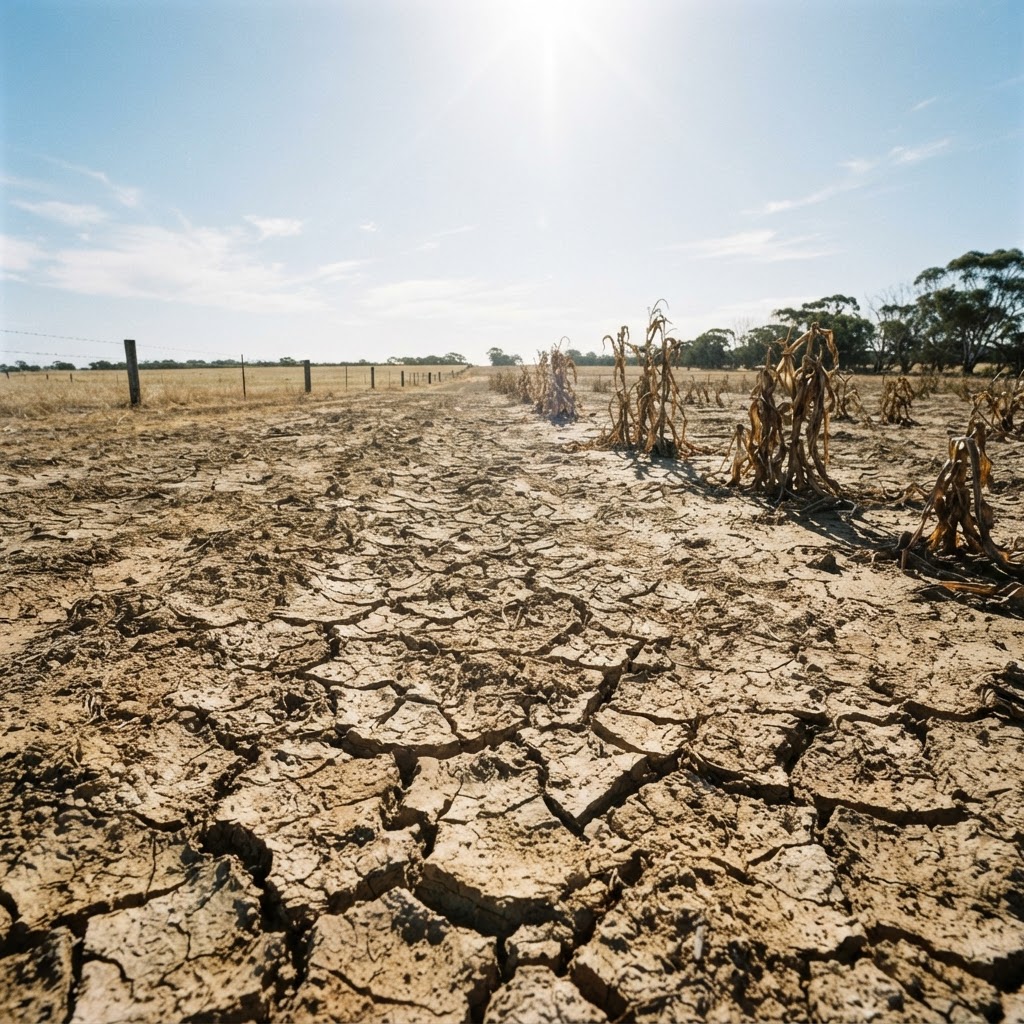
How El Nino 2026 Is Affecting Pakistan's Monsoon
Pakistan shares the same monsoon system as India. When the southwest monsoon weakens over the subcontinent, Pakistan feels it too — especially in Punjab and Sindh, where most of the country's agriculture is concentrated.
The PMD has been issuing regular updates, and their tone has shifted noticeably over the past few weeks. Earlier in the season, they were talking about normal monsoon conditions. Now they are warning that monsoon currents are weak and rainfall will remain below normal. The shift is subtle but significant.
For farmers in Punjab and Sindh, this is not an abstract weather report. It is a question of survival. Kharif crops like cotton, rice, and sugarcane depend on monsoon rains. When the rain does not come, farmers either pump groundwater (which costs money and depletes aquifers) or watch their crops wither.
And here is the part that really worries me. Pakistan is already dealing with the aftermath of last year's devastating floods. The economy is fragile. Food inflation has been a persistent problem. A weak monsoon means lower crop yields, which means higher food prices, which means more pressure on households that are already stretched thin.
Which Regions Are Most at Risk?
According to Skymet's assessment, the regions most vulnerable to rainfall deficits include Punjab, Haryana, Rajasthan, Gujarat, Madhya Pradesh, Maharashtra, Karnataka, Telangana, and Andhra Pradesh. While that list covers Indian states, the weather patterns do not respect borders. Pakistan's Punjab and Sindh provinces sit right next to India's Punjab and Rajasthan — they share the same weather systems.
In contrast, eastern India (Bihar, Jharkhand, Odisha, West Bengal) is expected to keep getting decent rain. A depression over Jharkhand is driving active monsoon conditions in that region. But the northwest — including the areas closest to Pakistan — is under the influence of dry air. Dry winds are dominating Punjab, Haryana, Delhi, and Rajasthan. That same dry air is creeping into Pakistan's eastern border regions.
The Agriculture Impact: Why Food Prices Could Climb
Here is where El Nino stops being a weather story and becomes a money story. India produces the majority of the world's rice. A weaker monsoon means lower rice yields. Lower rice yields mean less supply. Less supply means higher prices — not just in India, but globally.
Pakistan is a rice exporter too. If both India and Pakistan see reduced rice production, the global rice market tightens. Prices go up. And it is not just rice. Cotton, sugarcane, maize, and soybeans are all monsoon-dependent crops. A weak monsoon hits all of them.
The World Economic Forum has warned that El Nino should not be treated as just a climate event — it is a systemic shock. When multiple breadbaskets fail at the same time, the effects cascade through the entire food system.
And farmers are already dealing with other pressures. The Iran war earlier this year caused fertilizer shortages and price hikes. Oil prices have been volatile since the Strait of Hormuz situation. Adding a monsoon deficit on top of all that is like kicking someone while they are down.
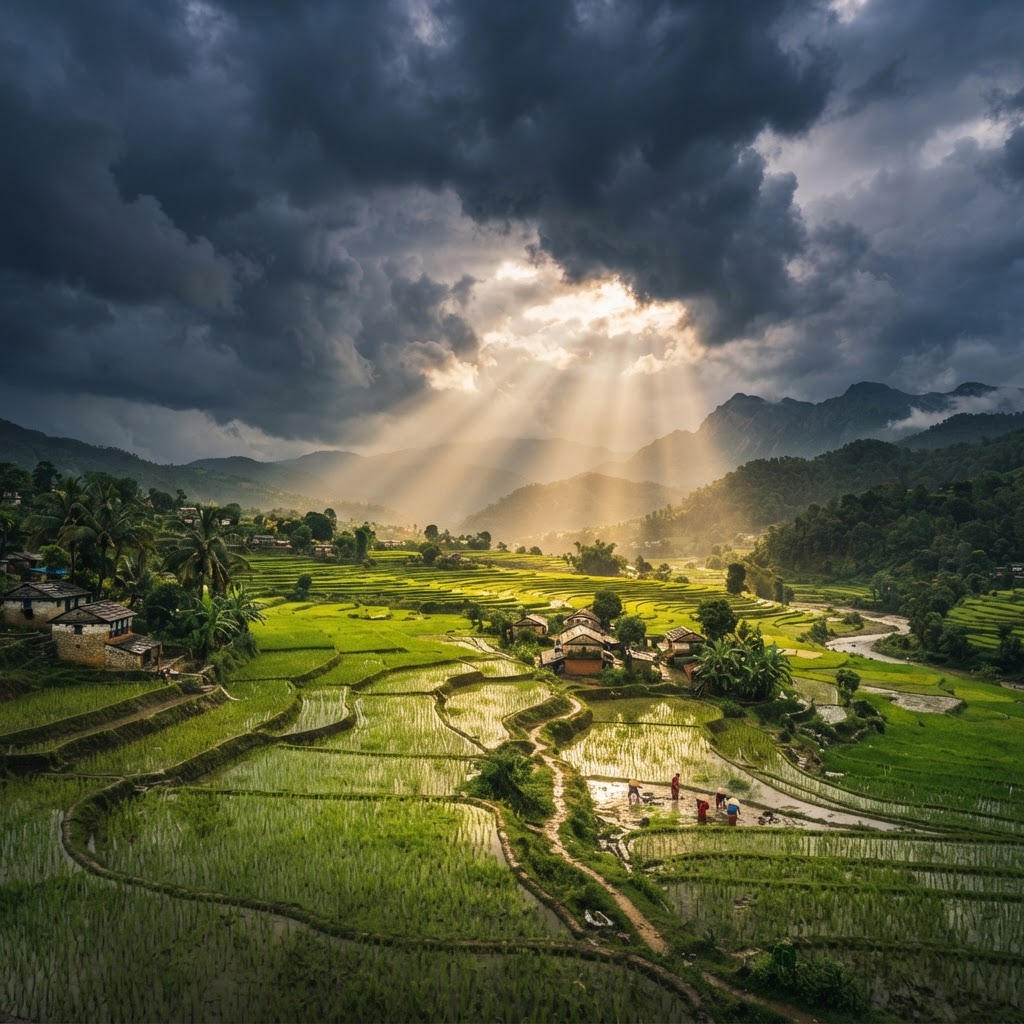
El Nino 2026 vs Climate Change: What the Scientists Say
Now you might be thinking: is this just El Nino, or is climate change making it worse? The honest answer is — both. And scientists are still figuring out exactly how the two interact.
Here is what we do know. The last El Nino in 2023-2024 helped make 2024 the hottest year ever recorded. The planet is already warmer than it has been in thousands of years. When you add an El Nino on top of that baseline warming, the effects amplify.
Jennifer Burney, a professor at Stanford's Doerr School of Sustainability, puts it simply: the question of how El Nino interacts with climate change is "still really important open science." But one thing is clear — in a warmer climate, the severity, extent, and likelihood of extreme weather events like droughts is higher.
Deepti Singh, an associate professor at Washington State University, has studied historical El Ninos extensively. She notes that while the basic mechanism has not changed, today's warmer atmosphere means the impacts could be more severe than in past events of similar strength. The atmosphere holds more moisture, temperatures are higher, and the margin for error is thinner.
So when someone asks whether this El Nino is caused by climate change, the answer is complicated. El Nino is a natural cycle. But the heat that makes it more intense? That is us.
Practical Tips: How to Prepare for a Weak Monsoon
Alright, enough doom and gloom. Let us talk about what you can actually do. Whether you are a farmer, a parent, or just someone trying to manage your household budget, here are practical steps:
If You Are a Farmer
- Switch to drought-resistant crop varieties where available — talk to your local agriculture extension office
- Use drip irrigation or other water-saving methods instead of flood irrigation
- Plant early-maturing varieties so crops can be harvested before the dry spell gets worse
- Consider crop insurance if you have not already — it can be a lifesaver in deficit years
- Diversify your income if possible — do not put everything into one crop
If You Are a City Resident
- Start storing water now — do not wait for shortages to hit
- Fix leaks and reduce water waste at home
- Stock up on non-perishable food items before prices climb
- Keep an eye on PMD weather alerts and follow official advisories
- Limit unnecessary water use like washing cars or filling swimming pools
If You Are a Parent or Household Manager
- Watch food prices and buy staples in bulk while they are still affordable
- Keep emergency supplies ready — water, food, basic medicines
- Stay informed about weather forecasts from reliable sources like PMD
- Talk to your family about a water conservation plan
- Support local farmers by buying produce directly from them when possible
What Other Countries Are Doing About El Nino 2026
Pakistan is not the only country bracing for impact. The World Meteorological Organization issued an alert in June telling countries to prepare for El Nino. The Food and Agriculture Organization (FAO) has identified the regions where agriculture is most at risk.
Malaysia's weather agency forecasts an 81 percent chance of El Nino reaching strong to extremely strong levels from October, with a 97 percent probability of it continuing through the end of the year. They are already warning about dry spells, haze, and extreme heat.
Southern Africa is facing reduced maize production. The southern United States is bracing for wetter-than-normal conditions that could cause flooding. In other words, El Nino does not just cause droughts — it causes extreme weather in all directions. Some places get too little rain, others get way too much.
The Gavi Alliance has urged early action, warning that the rapidly intensifying El Nino could be among the strongest yet. Their point is simple: waiting until the impacts are visible is too late. Preparation has to happen now.
What Pakistan's Government Should Be Doing
I am going to be honest here — I have not seen enough concrete action from the government on this. The PMD is doing its job by issuing forecasts, but forecasts only help if someone acts on them. Here is what should be happening:
- Emergency water storage and conservation plans for Sindh and Punjab
- Subsidies or support for farmers to adopt water-efficient irrigation
- Strategic food reserves to buffer against price shocks
- Public awareness campaigns about water conservation
- Coordination with provincial disaster management authorities
Whether any of this is actually happening at the speed required is an open question. And honestly, given how Pakistan's government tends to operate, I am not holding my breath. But citizens can and should demand it.
The Bigger Picture: What This Means for the Future
Here is the thing that keeps me up at night. El Nino events are getting stronger. The 2023-2024 event was one of the five strongest ever. The one building now could be even bigger. And between El Ninos, we are not getting a break — the baseline climate is warming, making every weather event more intense.
This means the monsoon, which hundreds of millions of people depend on for food and water, is becoming less reliable. Not every year will be a bad year. But the bad years are getting worse, and they might be coming more frequently.
If that sounds scary, it should. But fear without action is useless. The good news is that we know what to do. Water conservation, drought-resistant crops, better irrigation, strategic food reserves, and stronger climate adaptation policies are all proven solutions. The question is whether we have the political will to implement them before the next crisis hits.
Frequently Asked Questions About El Nino 2026
What is a super El Nino?
A super El Nino is an El Nino event where Pacific Ocean surface temperatures rise by more than 2 degrees Celsius above normal. NOAA classifies this as "very strong." The 2026 event is expected to reach or exceed this threshold, making it potentially the strongest this century.
How does El Nino affect Pakistan's monsoon?
El Nino weakens the southwest monsoon that brings rain to South Asia from June to September. Pakistan, especially Punjab and Sindh, receives less rainfall during El Nino years. The PMD has confirmed that monsoon currents are weak and rainfall is below normal for August 2026.
Will food prices go up because of El Nino 2026?
Yes, that is a real risk. A weak monsoon reduces crop yields for rice, cotton, and other staples. When supply drops and demand stays the same, prices rise. Both India and Pakistan facing reduced production could tighten the global rice market and drive prices up further.
How long will this El Nino last?
El Nino typically begins in summer and peaks around December or January. The current event started in early 2026 and is expected to peak later this year. Malaysia's weather agency predicts a 97 percent chance of it continuing through the end of 2026.
What should farmers do to prepare for El Nino?
Farmers should switch to drought-resistant crop varieties, use water-efficient irrigation, plant early-maturing crops, and invest in crop insurance. They should also stay in contact with local agriculture extension offices for the latest guidance.
Conclusion: The Time to Prepare Is Now
I will be straight with you. The 2026 super El Nino is not a drill. The monsoon is already weakening. The data from multiple agencies — Skymet, PMD, NOAA, WMO — all points in the same direction. Rainfall deficits are climbing, and the chances of drought-like conditions are increasing as we move toward September.
If you are a farmer, start thinking about water management today. If you are a city resident, start conserving water and watching food prices. If you are a parent, make sure your household has a plan. And if you are in a position to push for policy change, do it now — not after the crops have failed.
El Nino will eventually pass. It always does. But the damage it leaves behind can take years to recover from. The difference between a bad year and a catastrophic one often comes down to how prepared people were before the rain stopped falling.
Share this with your friends and family. The more people who know what is coming, the better prepared we all are. And if you have your own tips for dealing with water shortages or weak monsoons, drop them in the comments. We are all in this together.


Comments
Post a Comment