PM Modi Viral Cap Moment at India’s 80th Independence Day: What Happened at the Red Fort
PM Modi Viral Cap Moment at India’s 80th Independence Day: What Happened at the Red Fort
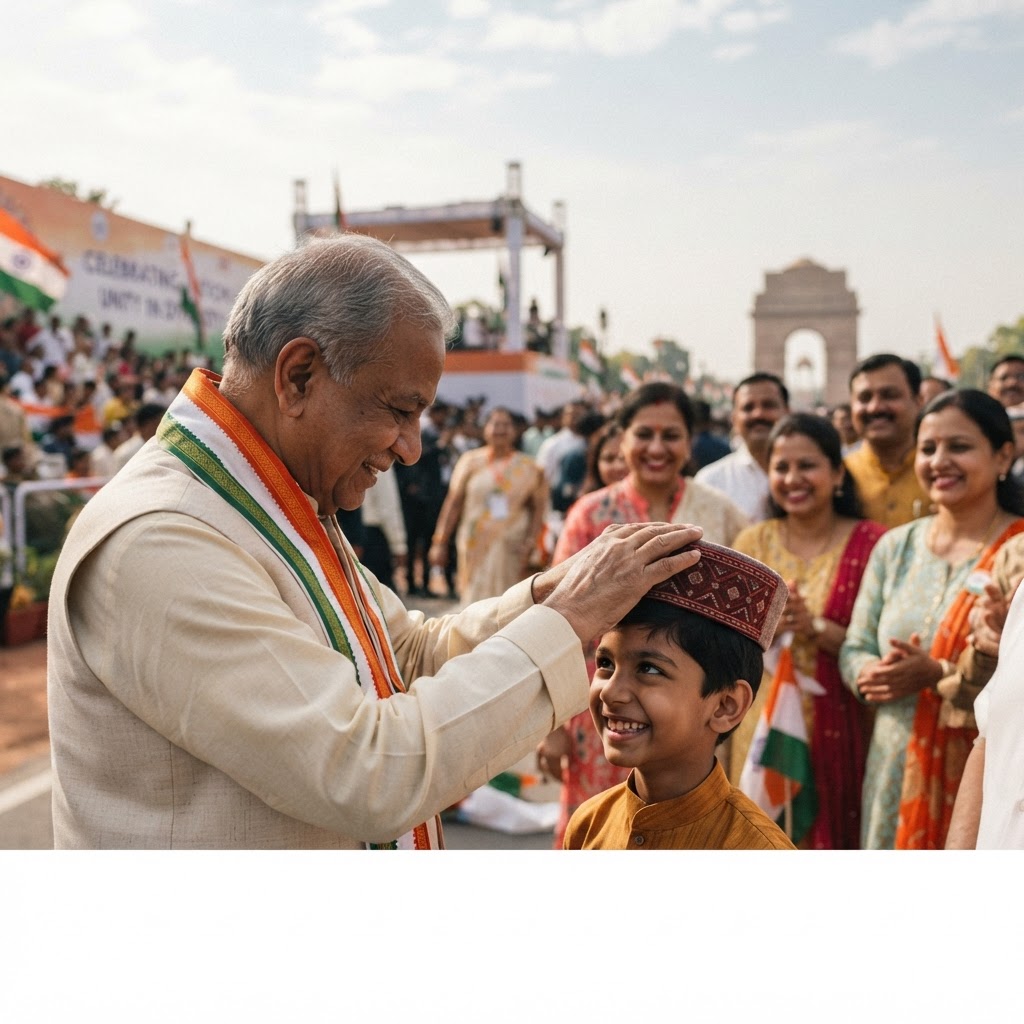
The PM Modi viral cap moment has become one of the most shared Independence Day 2026 stories in India. During his interaction with children at the Red Fort after his Independence Day address, a young student’s cap fell to the ground as she tried to touch his feet. Prime Minister Narendra Modi picked up the cap and placed it back on her head. The small gesture brought smiles from the people nearby and quickly became a talking point online.
The clip is short, but it has attracted attention because it shows a quiet human moment inside a major national ceremony. This article explains what happened, why the PM Modi viral video is receiving attention, what is confirmed by reports, and how viewers should separate the actual footage from exaggerated captions spreading on social media.
What Happened in the PM Modi Viral Cap Video?
According to a report published by The Economic Times on August 15, 2026, Prime Minister Modi was meeting excited children at the Red Fort after his Independence Day address. One student tried to touch his feet, and her cap accidentally fell off. Modi noticed the cap, picked it up, and placed it back on her head.
The action lasted only a few seconds. There was no long speech or dramatic announcement connected to the moment. The interest came from the simple way the prime minister responded to a child who had lost an important part of her clothing in the crowd.
Why the Small Gesture Stood Out
Large national events usually produce images of speeches, flags, military ceremonies, and official guests. A small personal action can stand out because it feels different from the formal program. The cap moment showed an unscripted interaction between a senior leader and a young attendee.
Viewers often respond strongly to moments that are easy to understand without political knowledge. Anyone can recognise a child losing a cap and an adult helping to put it back. That simple visual story may explain why the footage travelled quickly across social platforms.
What the Report Actually Confirms
The available report confirms the location, the occasion, and the basic action. It says the student’s cap fell while she tried to touch Modi’s feet, and that Modi put it back on her head. It does not confirm many of the emotional or political claims that may appear in social media captions.
That distinction matters. A viral caption can add a speech, a private conversation, or an official meaning that cannot be seen in the original video. Readers should watch the footage and rely on established reporting before repeating extra claims.
PM Modi Independence Day 2026 Event at the Red Fort
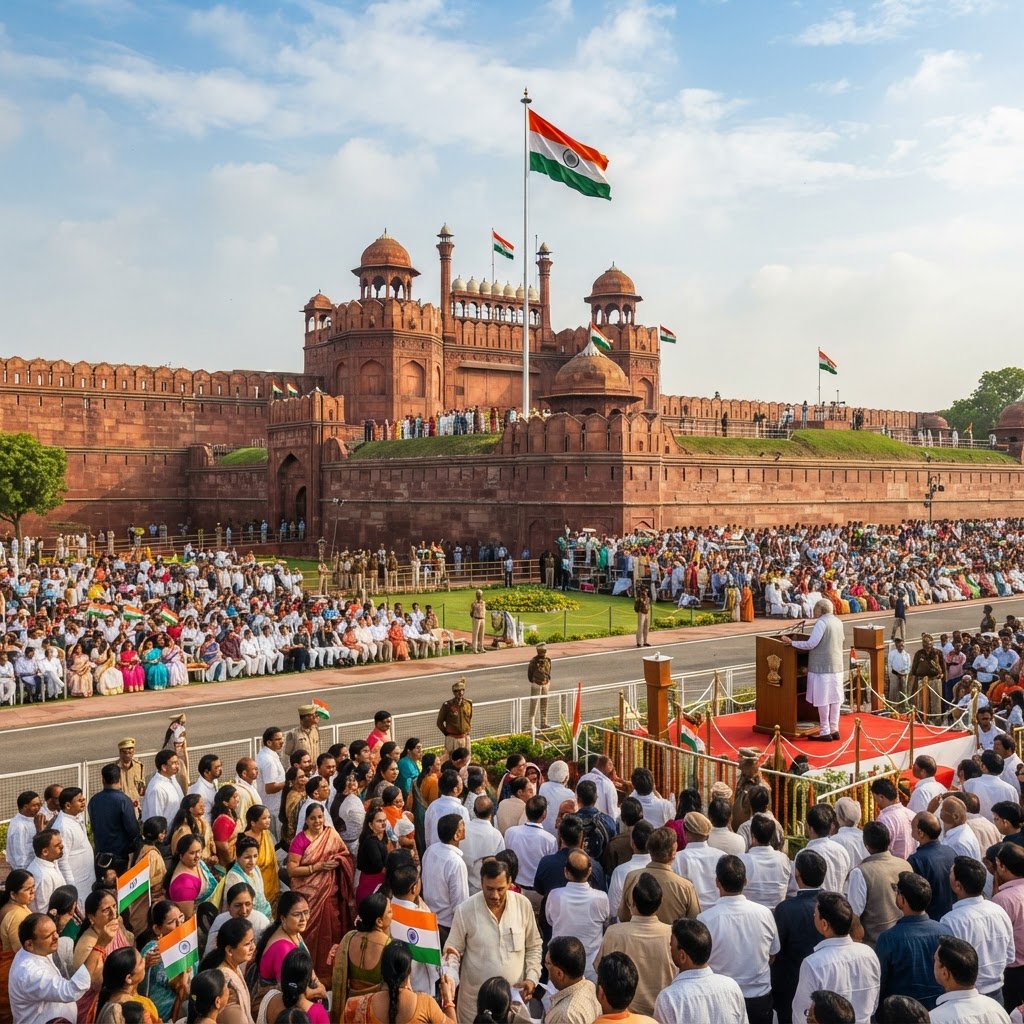
The cap moment happened after the prime minister’s Independence Day address at the Red Fort in Delhi. India celebrated its 80th Independence Day in 2026, making the ceremony a major national event with strong public interest in the speech, flag hoisting, guests, and cultural program.
The Red Fort ceremony is watched by people across India and by Indian communities around the world. Television channels, news websites, and social media accounts publish updates throughout the day. As a result, even a brief interaction after the formal program can be recorded and seen by a large audience.
Why the Red Fort Ceremony Matters
The Red Fort is closely linked with India’s Independence Day tradition. The prime minister addresses the nation from the historic site, and the event brings together officials, security personnel, invited guests, children, and members of the public. The location gives every image from the ceremony a national context.
For children attending the event, meeting the prime minister can be a memorable experience. The crowd, security arrangements, cameras, and formal atmosphere can also make the moment overwhelming. A brief friendly response can therefore feel especially important to a young attendee.
Children at National Celebrations
Children often appear in coverage of national celebrations because they represent the next generation of citizens. Their presence also gives public ceremonies a warmer and more personal atmosphere. The PM Modi viral cap moment gained attention partly because it involved a child rather than an official or celebrity.
The interaction should still be viewed carefully. A few seconds of video cannot tell viewers everything about the child, her family, or what happened before and after the clip. It is best to appreciate the visible gesture without inventing details that have not been reported.
Why the PM Modi Viral Video Spread So Quickly
Viral videos usually succeed when they are short, emotional, easy to understand, and connected to a familiar public figure. This clip contains all four elements. People know the setting, recognise the prime minister, understand what happened to the cap, and can watch the complete action in a few seconds.
Social platforms also reward content that creates an immediate reaction. A viewer may share the clip because it appears kind, respectful, or unexpected. Friends then add their own captions, and the same footage reaches new audiences through multiple posts.
The Power of a Simple Visual Story
A complicated policy announcement may require several paragraphs to explain. The cap video needs almost no explanation. The cap falls, the prime minister picks it up, and the cap returns to the child’s head. This makes the clip understandable even when it is watched without sound.
Simple visual stories cross language barriers more easily. India has many languages and regional media markets, but viewers can understand the central action without needing a translation. That can help a video move from television coverage to Hindi, English, and regional social media accounts.
Emotion and Public Sharing
People share content for different reasons. Some share a positive moment, some want to support a public figure, and others simply find the clip memorable. The same video may therefore be posted with very different opinions and captions.
Readers should remember that high view counts do not automatically prove every statement written beside a video. The video may be genuine while a caption remains misleading. Checking the original publisher and date is a useful habit.
PM Modi Viral Moment: Kind Gesture or Political Message?
The cap gesture can be described as a kind and attentive response. It does not need to carry a larger political message to be meaningful to the child involved. At the same time, public figures are always viewed through a political lens, especially during a national ceremony.
Some viewers will see the gesture as evidence of warmth. Others may believe that the moment is being used for political publicity. Both reactions show why short viral clips can become larger conversations. The safest approach is to distinguish the visible action from opinions about what the action proves.
Keeping the Focus on the Confirmed Moment
The confirmed story is straightforward: a child’s cap fell, Modi picked it up, and he placed it back on her head. That is enough for a news article about a viral moment. There is no need to claim that the gesture proves a complete change in leadership style or guarantees a particular political outcome.
Responsible reporting is especially important when a video includes children. Their image can be shared millions of times even though they did not ask to become part of a national debate. Articles and posts should avoid identifying private details unless reliable reporting makes those details public and relevant.
How Readers Can Avoid Overreading Viral Clips
- Watch the full available clip instead of relying only on a cropped repost.
- Check the date, location, and original publisher.
- Separate what is visible from what a caption claims.
- Do not repeat unverified names or personal details about the child.
- Compare the story with at least one established news report.
India Independence Day 2026 Highlights Beyond the Viral Cap Moment
The cap video was one small moment in a much larger day. Coverage of the 80th Independence Day included the prime minister’s address, the flag ceremony, official attendance, public celebrations, and other moments that attracted attention online.
The Economic Times video page also listed coverage connected with the Red Fort program, including the attendance of ministers and diplomats, the prime minister’s remarks, and a performance of Vande Mataram. These events show why the day generated a large amount of news and social media activity.
The Importance of Context in Independence Day Coverage
When a short clip becomes popular, it can dominate online discussion and hide the wider event. The PM Modi viral cap moment is interesting, but it is not a replacement for the full Independence Day coverage. People who want to understand the ceremony should read the complete address and reports from reliable sources.
National celebrations carry historical, cultural, and political meaning. A personal interaction may humanise the event, while the formal program explains its national purpose. Good coverage can include both without treating one short clip as the entire story.
Why Viral Moments Become Search Trends
Search interest often rises when people see a clip but do not know the full context. They search phrases such as “PM Modi viral video,” “PM Modi cap video,” “Independence Day 2026 viral moment,” and “Red Fort children video.” These searches reflect curiosity rather than proof that every online claim is correct.
News sites also publish explainers because searchers want confirmation. They may ask when the video was recorded, where it happened, who appears in it, and whether it is genuine. Clear reporting answers those questions without sensational wording.
How to Verify the PM Modi Cap Video Before Sharing
Viral video verification is now an important part of being an online reader. A clip can be real but old, real but edited, or real with a false caption. The PM Modi viral cap moment is linked by reporting to the August 15, 2026 Independence Day event, but readers should still check what each post is claiming.
Check the Date and Location
Look for reports that identify the date and location. In this case, the published report places the interaction at the Red Fort after the Independence Day address. If another post says the clip happened at a different event, that post needs evidence.
Find the Original or Reliable Report
Reposts often remove the publisher’s logo, cut off the beginning, or add music and text. Search the key details and find the earliest credible report available. A report from a recognised news organisation can help confirm when and where the footage was recorded.
Do Not Trust Every Emotional Caption
Captions such as “the entire nation cried” or “this proves everything” are opinions, not facts. They may be designed to increase shares. A professional article should describe the action plainly and label interpretation as interpretation.
What Makes a Professional Viral News Article?
A professional viral news article gives readers the original fact first. It then adds context, explains why the item is trending, and makes clear what remains unknown. It avoids turning a short clip into a made-up story.
Good writing also uses keywords naturally. Someone searching “PM Modi viral cap moment” should find that phrase in the title and opening, but the article should not repeat it in every sentence. Search engines and human readers both prefer useful information over forced repetition.
Useful SEO Keywords for This Story
- PM Modi viral cap moment
- PM Modi viral video
- India Independence Day 2026
- Red Fort viral moment
- PM Modi children video
These keywords describe what readers are searching for, while related terms such as viral news India, Independence Day ceremony, Red Fort event, child’s cap, and social media video help explain the subject naturally.
Public Reactions to the PM Modi Viral Cap Moment
People online have reacted to the clip with smiles, supportive comments, and discussions about public behaviour. The most common reason for sharing appears to be the gentle nature of the action. The prime minister noticed a small problem and solved it immediately.
Other users have used the moment to discuss how leaders interact with children and ordinary citizens. These conversations can be positive, but they can also become partisan. Readers should not assume that every comment represents a confirmed fact about the event.
Why Different Viewers See Different Meanings
People bring their own experiences and opinions to viral content. A parent may notice the child’s embarrassment. A political supporter may focus on Modi’s response. A critic may question the way the clip is being promoted. The footage remains the same, but the interpretation changes.
This is normal for public videos. The role of journalism is not to pretend that everyone feels the same. It is to report the basic event accurately and give readers enough context to make their own judgment.
Frequently Asked Questions About the PM Modi Viral Cap Video
What happened in the PM Modi viral cap moment?
A child’s cap fell during an interaction with Prime Minister Narendra Modi at the Red Fort after his Independence Day address. Modi picked up the cap and placed it back on the child’s head.
When did the PM Modi cap video happen?
The reported interaction took place on August 15, 2026, during India’s 80th Independence Day celebrations at the Red Fort in Delhi.
Why is the PM Modi viral video trending?
The clip is short, easy to understand, and shows a personal interaction between the prime minister and a child. Its emotional and visual simplicity helped it spread on social media.
Is the PM Modi viral cap video real?
Established reporting, including a report from The Economic Times, describes the same event and action. Readers should still check the original video and avoid trusting unsupported claims added by reposts.
What should people check before sharing viral news?
Check the date, location, original publisher, and whether the caption matches what is actually visible. Do not share private details or dramatic claims that reliable reports do not confirm.
Why Accuracy Matters in Viral India News
Viral stories can influence public opinion within minutes. Accurate dates, clear wording, and reliable sources help readers understand what truly happened. This is especially important when a public event includes children, because careless posts can expose personal details or create confusion.
The best way to enjoy the PM Modi viral cap moment is to keep the story in proportion. It was a warm, brief interaction, not evidence for every claim attached to it online. Careful sharing protects both the people in the video and the quality of public discussion.
Conclusion: Why This Small Red Fort Moment Matters
The PM Modi viral cap moment is a simple story from a very large national event. A child’s cap fell, the prime minister noticed, and he put it back. That brief action became memorable because it was personal, visual, and easy for viewers to understand.
The wider lesson is about how viral news works. A few seconds can reach millions, but the caption around those seconds may not always be reliable. The best readers enjoy interesting moments while checking the facts before sharing them.
India’s 80th Independence Day produced many major speeches and ceremonies, yet this small interaction connected with people in a different way. Whether viewers see it as kindness, good manners, or simply a practical response, the confirmed facts remain clear. Read the full story, watch the original footage, and share responsibly.


Comments
Post a Comment