Monsoon Revival August 2026: Heavy Rain Forecast, Flood Risks, and What Families Should Do
Monsoon Revival August 2026: Heavy Rain Forecast, Flood Risks, and What Families Should Do
Monsoon revival August 2026 is now the weather phrase many people across South Asia are searching for, and the reason is simple: another spell of heavy rain is expected between August 20 and 24. Fresh forecasts point to rain building over eastern and central India, while nearby regions watch the same weather system closely. Rain can be welcome after hot, dry days, but a strong spell can also bring flooded streets, travel delays, power cuts, crop damage, and dangerous river levels. Here is what the latest forecast means in plain language.
The first thing to understand is that a forecast is not a promise that every town will receive the same amount of rain. One district may see a useful shower while another gets several hours of intense rainfall. That difference matters. Local warnings, drainage conditions, soil moisture, and river levels often decide whether rain feels refreshing or turns into an emergency.
What the August 2026 Monsoon Revival Forecast Says
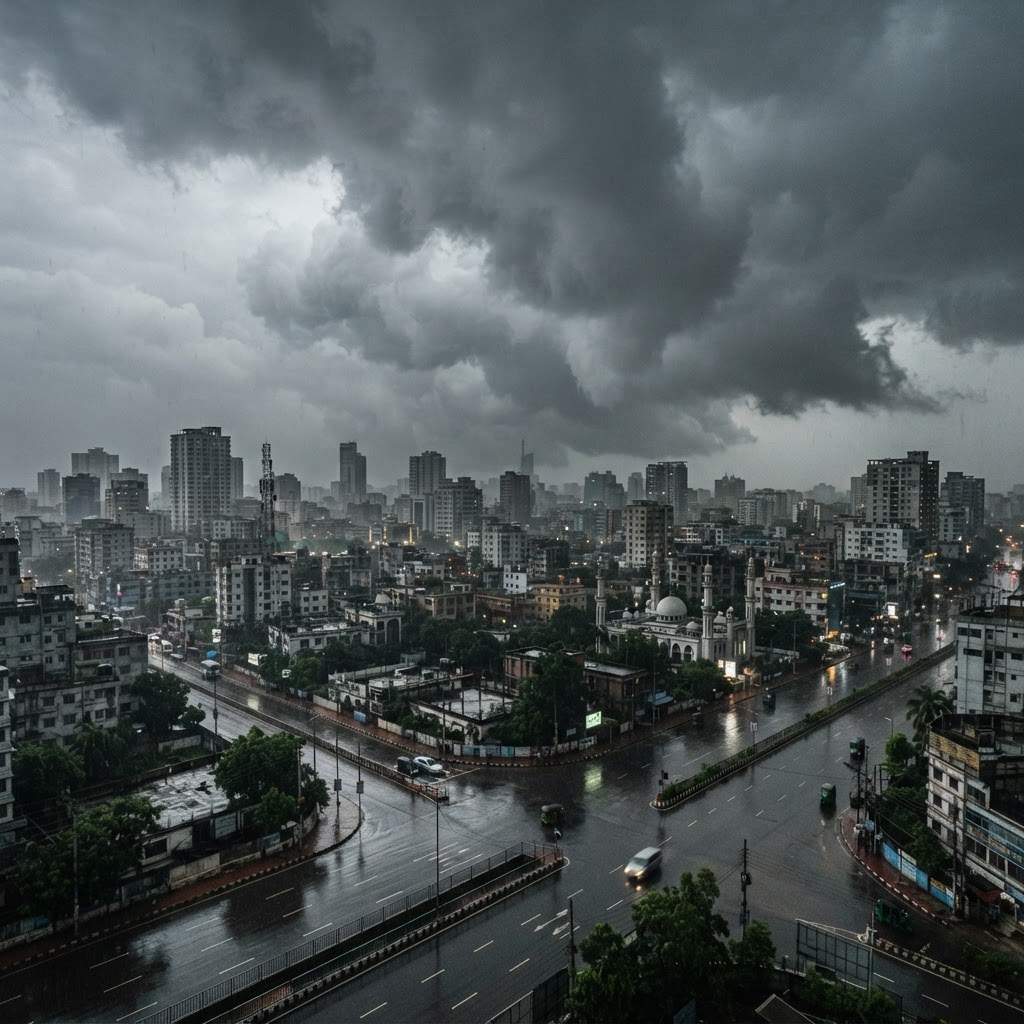
Weather reports published on August 18 say the southwest monsoon is likely to revive from August 20 to August 24. The expected spell is focused mainly on eastern and central parts of India, where moisture is expected to increase and rain activity may strengthen. People should watch updates from their national and state weather departments instead of relying on one social-media graphic.
That five-day window does not mean rain will fall continuously for five days in every location. It means the overall weather pattern may become more active during that period. Some places could receive short, sharp thunderstorms. Others may get long periods of steady rain. Coastal and low-lying areas often face extra trouble because water has fewer ways to escape.
Why the Forecast Window Matters
A weather window helps families plan without pretending that the forecast is perfectly precise. If you have a long road journey, outdoor work, a school event, or a flight connection, August 20 to 24 is a sensible period for extra caution. Check the forecast again on the morning of travel because rain warnings can change as new satellite and radar information arrives.
Farmers also use these windows differently. Rain may help crops that need moisture, but too much water at the wrong time can wash away soil or damage standing plants. The useful question is not only “Will it rain?” It is “How hard will it rain, for how long, and where will the water go?”
Why the Southwest Monsoon Can Suddenly Become Stronger
The southwest monsoon is driven by a large seasonal flow of warm, moisture-filled air. When the right wind pattern, pressure difference, and atmospheric moisture come together, rain activity can increase over a wide area. The change can look sudden to people on the ground even though weather systems have been developing for days.
Mountains, coastlines, forests, cities, and open farmland all change the way rain behaves. Moist air forced upward near hills can produce heavier showers. A city with blocked drains can flood after rain that would be manageable in a village with open ground. Weather does not respect district borders, so authorities often need to coordinate across several areas.
Rainfall Amount Is Not the Whole Story
A moderate total spread across ten hours may cause fewer problems than the same total falling in one hour. Short, intense bursts can overwhelm drains and make roads unsafe quickly. This is why official warnings often use terms such as intense rainfall, very heavy rain, thunderstorm, or flash-flood risk rather than giving people one simple number.
Wind adds another layer. Strong gusts can break weak branches, damage temporary structures, and interrupt electricity. Lightning is especially dangerous because people often treat a storm as harmless once the rain starts. It is not safe to stand under an isolated tree or near metal fencing during a thunderstorm.
Which Areas Need to Watch Heavy Rain Most Closely?
Current reports point to eastern and central India as the main focus of the monsoon revival. The country covers a large and varied region, so local alerts are more useful than broad national headlines. Residents should follow their state disaster-management authority, weather office, district administration, and verified emergency channels.
People living near rivers, reservoirs, hills, construction sites, and informal settlements should take warnings seriously even if rain has not yet started. Water can travel from another area. A river may rise hours after rainfall upstream. A blocked culvert can turn a familiar lane into a moving stream before residents have time to move their vehicles.
Urban Areas and the Drainage Problem
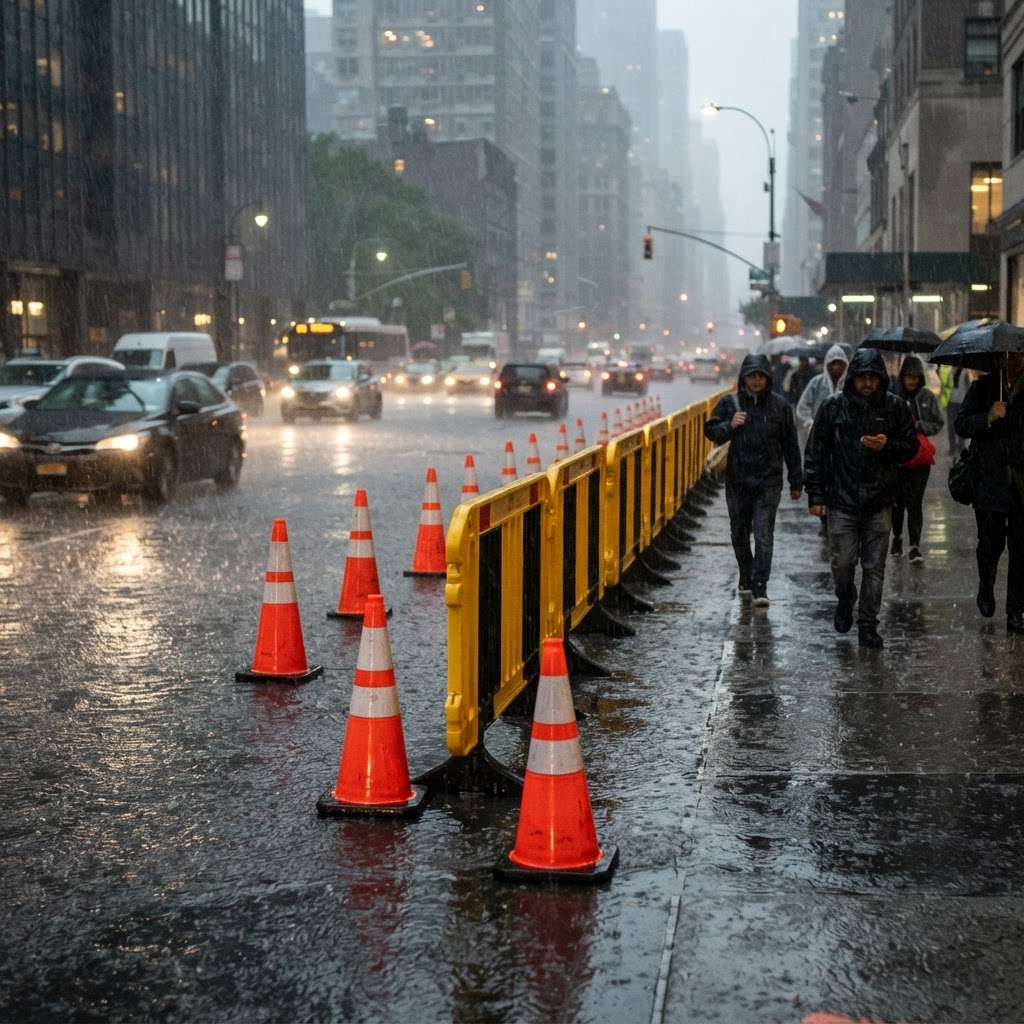
Heavy rain exposes the weak points of a city. Plastic waste blocks gutters, new construction changes water flow, and roads built higher than nearby homes push water toward the lowest streets. Underpasses and basement parking areas are especially risky because they can fill faster than drivers expect.
If rain becomes intense, avoid driving through water that hides the road surface. A shallow-looking pool may cover an open drain, a broken section of pavement, or a deep pothole. Motorcycles can lose balance quickly, and a stalled car can become difficult to open if water rises around it.
Flood Safety Tips for Families During the Monsoon
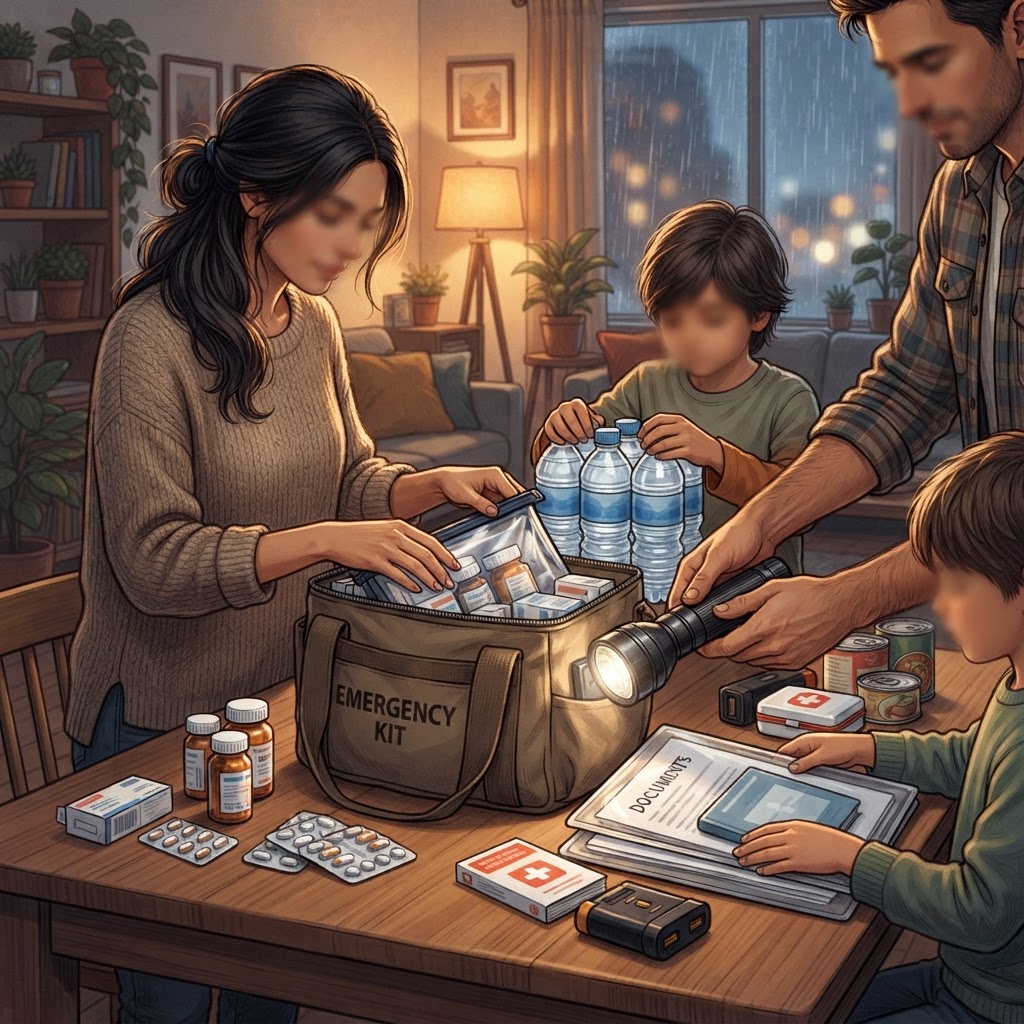
Good preparation does not need to be expensive. Start with phones, medicines, drinking water, basic food, a torch, spare batteries, power banks, and copies of important documents stored in a waterproof bag. Families with babies, older adults, or people with disabilities should plan for assistance before the rain begins.
- Keep a charged phone and save local emergency numbers before the storm.
- Move important papers, electronics, and medicines above floor level.
- Do not touch fallen electrical wires or wet electrical switches.
- Avoid walking or driving through moving floodwater.
- Keep children away from drains, canals, ponds, and construction pits.
- Follow evacuation instructions even if water has not yet entered your home.
What to Put in a Small Emergency Bag
A small emergency bag can make a difficult night much easier. Pack drinking water, dry snacks, prescribed medicine, a basic first-aid kit, a torch, sanitary supplies, soap, a whistle, a spare set of clothes, and chargers. Add identification documents in sealed plastic sleeves. If someone in the family needs regular treatment, keep a written list of medicines and emergency contacts.
Do not forget pets. Keep animals indoors or move them to a dry, safe place before water rises. During panic, pets can escape through open gates, so collars and identification details matter. A few minutes of preparation can prevent a frantic search in bad weather.
How Drivers Should Handle Monsoon Rain and Waterlogged Roads
Driving in heavy rain is not a test of bravery. Reduce speed, leave more space, switch on headlights when visibility drops, and avoid sudden braking. If water begins entering the road, turn around rather than guessing its depth. The vehicle behind you can wait; a hidden ditch cannot be trusted.
Never park beneath weak trees, old walls, billboards, or unstable poles during a storm. If visibility becomes poor, pull over in a legal and safe location away from water channels. Keep the vehicle locked, stay alert, and wait for conditions to improve. A few minutes of delay is a small price compared with a flooded engine or a dangerous rescue.
Why Motorcyclists Face Extra Risk
Motorcyclists have less protection from lightning, flying branches, slippery roads, and sudden water movement. Rain also reduces braking grip. If a severe-weather warning is active, postpone the ride when possible. If travel cannot wait, wear visible waterproof clothing, avoid flooded routes, and never follow another vehicle blindly through water.
Helmets remain essential even in hot weather. A raincoat can protect clothing, but it cannot protect someone from a collision. Keep both hands on the handlebars and slow down before standing water, not after the front wheel enters it.
What the Monsoon Revival Means for Farmers and Food Prices
Farmers need rain, but timing matters as much as quantity. A well-spread shower can help germination, refill ponds, and reduce irrigation costs. Heavy rain in a short burst can erode topsoil, flatten plants, delay harvesting, and spread fungal disease. Farmers should use local agricultural advisories rather than applying one rule to every field.
Rain can also affect food prices. If roads become difficult, vegetables and other fresh goods may take longer to reach markets. That does not automatically mean a long-term shortage. It may simply reflect a short transport problem. Buyers should avoid panic buying, while traders and authorities should keep supply routes open and share clear information.
Simple Farm Preparations Before Heavy Rain
- Clear field drains and check small bridges near farms.
- Store seed, fertilizer, animal feed, and tools above possible flood level.
- Inspect roofs and strengthen covers before strong wind arrives.
- Move livestock away from fast-moving water and weak sheds.
- Record crop damage with photos if an official assessment is announced.
Farm workers should not enter a flooded field to rescue equipment. Machinery can be replaced; a life cannot. If water is moving quickly, wait for trained responders and use official instructions.
How Schools and Offices Can Prepare for the August Rain Spell
Schools should check roofs, windows, drains, backup power, and transport plans before the forecast window. Children should not be sent through flooded streets simply because the timetable says classes are open. Administrators need a clear method for informing parents if weather conditions change during the day.
Offices can reduce pressure by allowing flexible arrival times when roads are unsafe. Employers should not encourage workers to take unnecessary risks for a few hours of attendance. A short message that says “delay your journey until conditions improve” can prevent accidents and help emergency services focus on real emergencies.
Helping Children Understand Storm Safety
Children often find storms exciting, but they need simple rules. Stay indoors during thunder, do not play near floodwater, never touch a fallen wire, and tell an adult if water enters the home. Explain the reason calmly. Fear-based warnings may make a child hide a problem instead of reporting it.
Parents can let children help pack the emergency bag. That turns preparation into a practical family activity and helps them remember where the torch and first-aid supplies are kept.
How to Read Weather Alerts Without Panic
Weather language can sound confusing. A watch usually means conditions could become dangerous, while a warning means dangerous weather is expected or already happening. Local authorities may use different colors or categories, so read the explanation attached to the alert instead of guessing what a color means.
Do not share screenshots without checking the date, location, and source. Old storm maps return to social media every year and create unnecessary fear. A useful post should tell people what area is affected, when the risk is expected, and what action is recommended.
Reliable Information Beats Viral Rumors
During storms, rumors travel faster than rain. Someone may claim that a dam has broken, a city will be underwater, or a storm is heading directly toward a neighborhood. Before forwarding such a message, check the official weather office or district administration. If the claim could cause panic, do not share it until it is confirmed.
Local people can still share helpful information. A photo of a blocked road, a working shelter, or a fallen wire may help others, but include the time and location. Never stand in a dangerous place just to record dramatic video.
Why Monsoon Preparedness Is a Community Job
Families can prepare their homes, but they cannot clear every drain or repair every bridge. Good monsoon safety needs residents, city workers, schools, hospitals, transport companies, farmers, and emergency teams working from the same information. People should report blocked drains and dangerous wires through official channels instead of waiting for someone else to notice.
Neighbors can check on older people who live alone, families with small babies, and anyone who depends on electricity for medical equipment. A shared contact list is useful when mobile networks become unreliable. Community support is not a replacement for government response, but it can save time during the first difficult hours.
What to Expect After the Heavy Rain
The danger does not end when clouds clear. Floodwater may hide open manholes, sharp debris, snakes, contaminated waste, and live electrical lines. Keep children away until officials say an area is safe. Do not use tap water if local authorities issue a contamination warning, and wash hands after contact with floodwater.
Check the home carefully before switching electricity back on. Look for damaged walls, gas smells, broken wires, and water near appliances. If there is any doubt, leave the power off and contact a qualified professional. Take photos of damage for insurance or official relief applications, but do not enter an unstable building for pictures.
Frequently Asked Questions About the August 2026 Monsoon Revival
When is the next monsoon revival expected?
Current reports expect a renewed spell of southwest monsoon activity from August 20 to August 24, 2026. The main focus is eastern and central India, but local conditions can vary widely.
Will every city receive heavy rain?
No. A regional forecast describes a broad pattern, not identical weather in every city. Check the latest district-level warning for your exact location.
What should I do if my road is flooded?
Do not drive or walk through moving water. Turn back, move to higher ground, and follow instructions from local officials. Report dangerous roads through the proper emergency or municipal channel.
Is it safe to use a phone during lightning?
Using a mobile phone indoors is generally safer than standing outside, but avoid wired electrical devices and contact with plumbing. Stay indoors and away from windows during severe lightning.
How can farmers reduce monsoon damage?
Clear drains, protect seed and feed, secure roofs, move animals to safe ground, and follow local agricultural advisories. Do not enter fast-moving floodwater to save equipment.
Checking Your Home Before the Rain Arrives
Walk around your home before the weather turns rough. Check roof sheets, balcony drains, window seals, outside lights, and the path water normally follows. Remove loose objects from rooftops and balconies because wind can turn a flowerpot, sign, or piece of metal into a dangerous projectile. If you live on a lower floor, place valuables in sealed containers and keep a towel or sandbag near doors where water usually enters.
Charge phones while electricity is available, but avoid overloading sockets with extension boards. Keep a written list of family phone numbers in case a device loses power. These small jobs feel boring on a sunny morning. They feel extremely smart when rain is hitting the windows and the lights suddenly go out.
Checking Your Home Before the Rain Arrives
Walk around your home before the weather turns rough. Check roof sheets, balcony drains, window seals, outside lights, and the path water normally follows. Remove loose objects from rooftops and balconies because wind can turn a flowerpot, sign, or piece of metal into a dangerous projectile. If you live on a lower floor, place valuables in sealed containers and keep a towel or sandbag near doors where water usually enters.
Charge phones while electricity is available, but avoid overloading sockets with extension boards. Keep a written list of family phone numbers in case a device loses power. These small jobs feel boring on a sunny morning. They feel extremely smart when rain is hitting the windows and the lights suddenly go out.
Final Word: Prepare Early and Respect the Rain
The August 2026 monsoon revival may bring relief from heat and valuable water for farms, but heavy rain deserves respect. The safest approach is calm preparation: check official alerts, keep essentials ready, avoid risky roads, protect children and older family members, and help neighbors who need support.
I would rather cancel a plan because of a warning than explain later why I ignored one. Rain is part of life across South Asia, but preventable accidents do not have to be. Share useful information, not rumors, and make your household ready before the first intense storm arrives.
Sources used for this report include current August 18, 2026 weather coverage from India Today and market and news reporting that identified the August 20–24 monsoon revival window. Forecasts can change, so readers should confirm conditions with their official national and local weather services.


Comments
Post a Comment