Cat in the Hat TikTok Trend: How a Dr Seuss Character Became 2026's Creepiest Viral Hoax
Cat in the Hat TikTok Trend: How a Dr Seuss Character Became 2026's Creepiest Viral Hoax
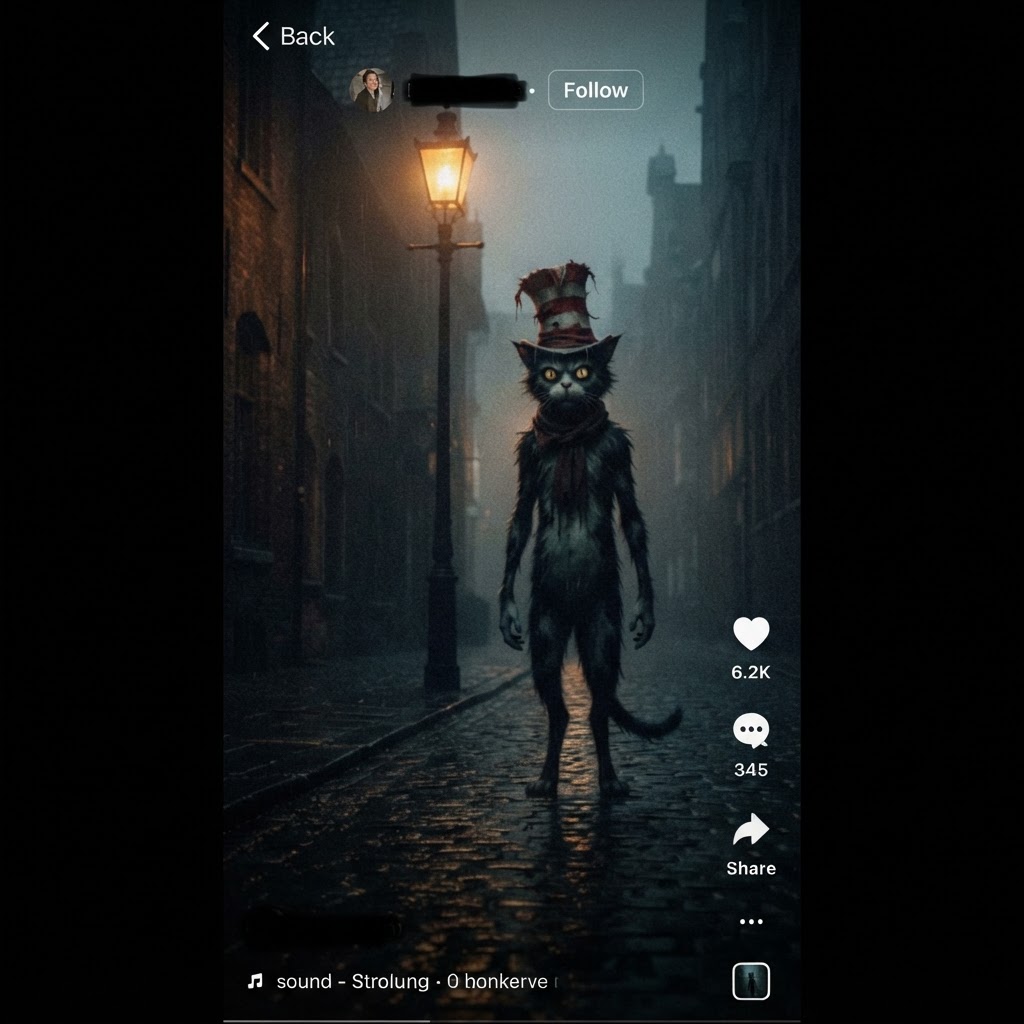
The Cat in the Hat TikTok trend has millions of teenagers across the UK and Ireland genuinely afraid to look out their windows at night. And honestly? I get it. If you have seen the videos, you know exactly what I am talking about — a towering, shadowy figure in a crooked red-and-white striped hat, lurking on dark streets, filmed on shaky phone cameras. It looks like something out of a horror movie. Except it is not a horror movie. It is a children's book character, and the whole thing is completely fake.
But here is the crazy part: even though police have confirmed the images are AI-generated, the trend just keeps growing. One TikTok post alone has pulled in 14.6 million views in just three weeks. So how did a beloved Dr Seuss character become the thing teenagers are losing sleep over in August 2026? Let me break it down.
How the Cat in the Hat TikTok Trend Actually Started
Every viral trend has an origin story, and this one is weirder than most. It did not start with someone in a costume scaring people on purpose. It started with an auction.
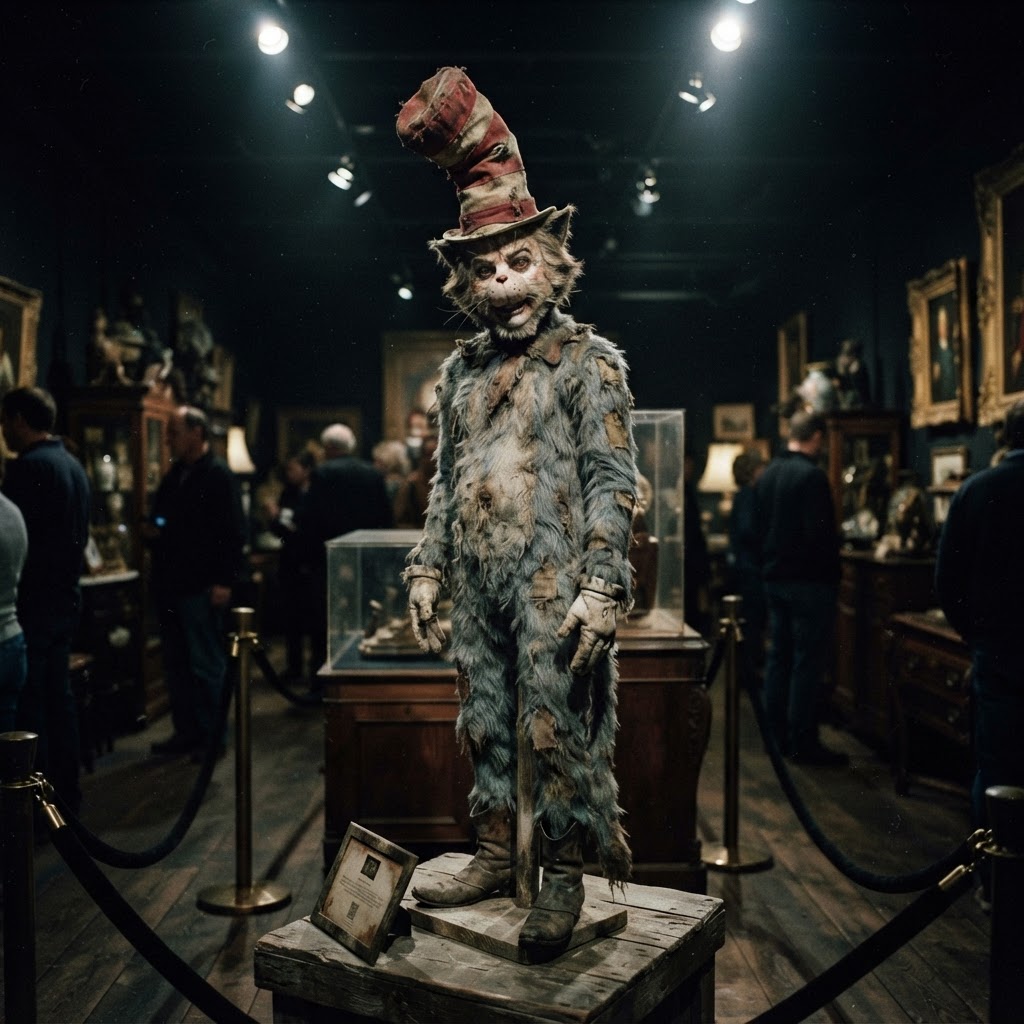
On August 8, 2026, a pop culture account called DiscussingFilm posted on X (formerly Twitter) that the original Cat in the Hat costume from the 2003 live-action movie was going up for auction. You know the one — the creepy, slightly disheveled costume worn by Mike Myers in that film that critics absolutely roasted but kids secretly loved. The post got 10 million views. People in the comments called it "nightmare fuel" and "genuinely haunting." Someone said it looked like it had been pulled from a "cursed attic."
And that was it. That was the spark. From there, TikTok did what TikTok does best — it took something mildly unsettling and turned it into a full-blown phenomenon.
The Propstore Auction That Started It All
The costume is being sold by Propstore, a company that deals in movie memorabilia. It is Lot 76 in their Los Angeles Summer 2026 auction, and bidding officially closes today, August 26. The estimated price was $12,000 to $24,000, with a starting bid of $6,000. But according to some reports, bidding had already pushed past $14,000 with four bids placed, and one Reddit post suggested the final price could reach nearly $60,000.
Think about that. A worn-out cat costume from a movie that came out over two decades ago is selling for the price of a car. And it is also responsible for scaring an entire generation of teenagers. That is quite a legacy for Mike Myers.
Are the Cat in the Hat TikTok Videos Real or AI?
Here is the short answer: they are fake. Completely, 100 percent AI-generated.
Here is the longer answer: the videos and images showing a life-sized Cat in the Hat wandering through streets at night are not real footage of anyone in a costume. They were created using artificial intelligence tools that can generate realistic-looking images and short video clips from text prompts. Someone typed something like "Cat in the Hat on a dark street at night" into an AI image generator, and the software produced something convincing enough to fool people.
And boy, did it fool people. The AI-generated images were centered around Irish counties like Limerick and Wexford, where shaky videos supposedly showed the character wandering through neighborhoods. They looked real enough that local residents were genuinely confused and alarmed.
But the Gardaí — that is the Irish police force — were quick to shut it down. Wexford Gardaí issued a statement confirming that the images had been generated using AI and that no one was actually wandering the streets in a Cat in the Hat costume. They literally had to tell people that a Dr Seuss character was not real.
How AI Makes These Hoaxes So Convincing
This is what makes the Cat in the Hat TikTok trend different from older internet hoaxes. The AI tools available in 2026 are good. Like, genuinely good. They can create images that look like real photographs, with realistic lighting, shadows, and textures. When you add a shaky camera effect and grainy night-time lighting, it becomes very hard to tell the difference between an AI image and a real photo.
Most of the people sharing these videos are teenagers who have grown up with the internet. You would think they would be more skeptical. But when something looks real and your friends are sharing it and the comments are full of people saying "I saw him too," it creates a kind of collective belief. You stop questioning it because everyone else seems to accept it.
That is the power of social media. It does not need to be true. It just needs to feel true.
Police Response to the Cat in the Hat Viral Hoax
When a viral trend starts causing real fear, police have to respond — even when the thing people are afraid of is a fictional cat. And that is exactly what happened here.
In Ireland, Wexford Gardaí were the first to issue a statement. They confirmed the sightings were AI-generated and urged people not to share the images as if they were real. In England, South Yorkshire Police had to deny claims that a "killer Cat in the Hat" had been spotted in their area. Posts about these alleged sightings had attracted hundreds of thousands of views on TikTok.
But here is where it gets even more disturbing. Someone created a fake Facebook post that appeared to be from South Yorkshire Police, suggesting the force was taking the rumored sighting seriously. So not only were people creating fake images of a cat stalking the streets — someone was impersonating police to make the hoax seem more legitimate.
South Yorkshire Police responded with a statement that included a bit of humor: "If you do see posts online providing policing updates and advice, please check that they are from an official policing account. The cat is not out of the hat on this one... Please don't believe everything you read on social media."
The fact that police departments in two different countries had to issue official statements about a Dr Seuss character tells you everything you need to know about how wild this trend has gotten.
The Danger of Fake Police Posts
The fake Facebook post impersonating South Yorkshire Police is actually the scariest part of this whole trend. AI-generated images of a cartoon cat are one thing. But when someone creates a fake post that looks like it is from an official police account, that crosses a line. It is not just a prank anymore. It is actively misleading people into thinking there is a real threat in their area.
This is something we are going to see more of as AI tools get better and easier to use. Fake posts, fake news articles, fake police statements — all designed to look real. The Cat in the Hat trend might seem silly on the surface, but it is a preview of a much bigger problem.
Why the Cat in the Hat Trend Reminds Parents of the Momo Challenge
If you are a parent, this whole situation might feel familiar. That is because it shares a lot of DNA with the Momo Challenge, a viral internet hoax from 2018 that claimed children were being contacted by a creepy doll image on WhatsApp and told to harm themselves. Fact-checkers and authorities found no verified evidence linking Momo to actual harm, but the frightening images still caused real distress among kids and parents.
Emily, a mother in Scotland, told the BBC that the Cat in the Hat trend reminds her exactly of the Momo scare. "I'm not worried about my daughters," she said, "but there could be people with bad intentions who might take advantage of this trend to manipulate teenagers."
And that is the real concern here. Not the AI images themselves, but what could happen if someone with bad intentions uses the trend to lure teenagers somewhere. We have already seen hints of this — there were unverified posts claiming the Cat in the Hat had arranged a "meet and greet" in the woods in Galashiels, a small town in the Scottish Borders. A 14-year-old named Lily told the BBC she "low-key wanna go meet him." Her mother was horrified.
"You are not going to meet anyone in the woods in the middle of the night!" her mother told her. And she is absolutely right.
The Killer Clown Connection: A Pattern of Viral Fear
Some people have also compared the Cat in the Hat trend to the Killer Clown craze of 2016, when people dressed as creepy clowns and stood on street corners, in woods, and outside schools. That trend spread across the US, UK, and Australia, and it caused genuine panic before dying down.
The pattern is the same every time. Something creepy goes viral, people start sharing it, some people believe it is real, a few people take it too far, and then eventually it fades away. The difference now is that AI makes it much easier to create convincing fake content. You do not even need to put on a costume anymore. You just need to type a prompt.
The Comedy Side of the Cat in the Hat TikTok Trend
Not everything about this trend is dark and scary. In fact, a huge part of it is just... funny. While some teenagers are genuinely frightened, others are having a great time with it.
There are people in Cat in the Hat costumes dancing to Beyoncé on TikTok. There are jokey videos depicting police chasing human-sized cats through city streets. Irish TikTok star Garron Noone posted a video saying it should have been obvious the whole thing was a hoax because "even the most soulless, evil, vicious monster" would be "traumatised looking in the window of a Wexford person."
Scottish drag performer Ellie Diamond issued a video declaring that she is not the Cat in the Hat killer. Snapchat created filters so people could put themselves in the costume. Group chats are full of people sharing the images and laughing about them.
So the trend has two sides. On one hand, you have teenagers who are genuinely scared and police issuing official statements. On the other, you have people dancing in costumes and making jokes. And somehow both of those things are happening at the same time, feeding into each other, making the trend bigger with every passing day.
How to Talk to Your Kids About Viral TikTok Hoaxes
If you have kids or younger siblings who are on TikTok, this trend is a good opportunity to have a conversation about online safety and media literacy. Here are some things you might want to cover:
Teach Them to Spot AI-Generated Content
The Cat in the Hat images might look real at first glance, but there are usually tells if you look closely. AI-generated images often have weird details — hands that look wrong, backgrounds that blur in strange ways, lighting that does not quite match. Teach kids to look for these signs and to always ask "could this be AI?" before believing what they see.
Encourage Them to Check Official Sources
If a video claims something is happening in their area, tell them to check the local police social media accounts or news websites. If the police have not mentioned it, it probably is not real. In the Cat in the Hat case, police in both Ireland and the UK posted official statements debunking the claims — but those statements got a fraction of the views the hoax videos did.
Talk About the Danger of Meeting Strangers
This is the most important conversation to have. The idea of a "meet and greet" with the Cat in the Hat sounds silly to adults, but to a 14-year-old, it might seem like a fun adventure. Make sure kids understand that anyone organizing a meetup connected to a viral trend could have bad intentions. No matter how fun or exciting it sounds, meeting strangers from the internet — especially at night, especially in isolated places — is never safe.
Remind Them That Sharing Fake Content Has Consequences
Every time someone shares one of these AI-generated videos without questioning it, they are helping the hoax spread. Talk to your kids about the responsibility that comes with sharing content online. Just because something is trending does not mean it is true. Pausing before sharing, checking the source, and thinking critically about what they are posting — these are skills that will serve them well beyond this one trend.
What Happens to the Original Cat in the Hat Costume Now?
While the TikTok trend plays out online, the actual costume that started all of this is being sold today at Propstore's auction in Los Angeles. It is part of a sale featuring 1,400 pieces of film and TV memorabilia, and the Cat in the Hat costume is Lot 76.
The costume has visible signs of wear and disrepair — which is probably part of why people find it so unsettling. It looks like something that has been sitting in storage for 23 years, because that is exactly what happened. It is a real piece of movie history, but it is also, let's be honest, kind of creepy looking.
Whoever buys it will be spending anywhere from $12,000 to potentially $60,000 on a costume that is currently responsible for one of the biggest viral hoaxes of 2026. That is quite a conversation starter for their living room.
Why This Trend Matters Beyond TikTok
You might be thinking, "It is just a silly TikTok trend about a cat. Who cares?" But I think this trend matters more than people realize, and here is why.
This is one of the first major viral trends where AI-generated content was convincing enough to fool large numbers of people into believing something that did not happen. The images were not obviously fake. They looked like real photos taken on real phones. And they spread to millions of people before anyone had time to fact-check them.
Police had to spend time and resources debunking something that was entirely fabricated. Someone impersonated a police force to make the hoax seem more credible. Teenagers were scared enough to change their behavior — calling parents, refusing to walk alone, considering meeting strangers in the woods.
If this can happen with a Dr Seuss character, imagine what happens when AI is used to create fake images of real events — a fake terror attack, a fake natural disaster, a fake political assassination. The potential for real-world harm is enormous, and we are not really prepared for it.
The Bigger Lesson About AI and Viral Content
The Cat in the Hat TikTok trend is a warning shot. It shows us that AI-generated content has reached a point where it can create convincing fake realities that spread faster than truth can correct them. And the platforms where this content spreads — TikTok, Instagram, Snapchat — are designed to maximize engagement, not accuracy. Scary content gets shared. Shared content gets more views. More views mean more people see it and believe it.
We need better tools for detecting AI-generated content, better education for kids and adults about media literacy, and faster response from platforms when hoaxes start causing real harm. But until those things exist, the best defense is simple: think before you share, check before you believe, and talk to your kids about what they see online.
Frequently Asked Questions About the Cat in the Hat TikTok Trend
Is the Cat in the Hat TikTok trend real?
No. The videos and images showing a Cat in the Hat character stalking streets at night are entirely AI-generated. Police in Ireland and the UK have confirmed the images are fake and no one is actually wandering the streets in a Cat in the Hat costume.
How did the Cat in the Hat TikTok trend start?
The trend started on August 8, 2026, when a pop culture account called DiscussingFilm posted on X about the original Cat in the Hat costume from the 2003 Mike Myers film being auctioned by Propstore. The post got 10 million views, and from there, TikTok users began creating AI-generated images of the character in creepy settings.
How many views has the Cat in the Hat TikTok trend gotten?
One single post showing the original costume received 14.6 million views in three weeks. The original X post by DiscussingFilm got 10 million views. Overall, the trend has generated tens of millions of views across TikTok, Instagram, Facebook, and other platforms.
What is the Cat in the Hat costume being auctioned for?
The original Mike Myers Cat in the Hat costume is being auctioned by Propstore on August 26, 2026, with an estimated price of $12,000 to $24,000. Reports suggest bidding could push the final price significantly higher.
What should I do if my child is scared of the Cat in the Hat trend?
Talk to them. Explain that the videos are AI-generated and not real. Show them how AI images can look realistic. Encourage them to come to you if they see something scary online, and make sure they understand never to meet strangers from the internet, no matter what the trend says.
The Bottom Line: A Cat, a Hoax, and a Warning About What Comes Next
The Cat in the Hat TikTok trend will probably fade in a few weeks, just like the Killer Clowns did in 2016 and the Momo Challenge did in 2018. Someone will bid on the costume today, it will go to a collector's shelf, and the AI images will stop being shared. That is how these things usually go.
But I think we should pay attention to what just happened. A fictional character from a children's book was turned into a viral horror story using AI. Police in two countries had to issue official statements. Teenagers were scared enough to call their parents. Someone impersonated a police force online. And all of it was completely fake.
If we do not start taking AI-generated content seriously — if we do not teach our kids to question what they see, if platforms do not get better at flagging fake content, if we just laugh it off as a silly trend — then the next one is going to be worse. Maybe much worse.
So talk to your kids. Check your sources. And for the love of Dr Seuss, do not go to any meet and greets in the woods.


Comments
Post a Comment