Fibermaxxing 2026: Why Everyone Is Obsessed With Fiber All Of A Sudden
Fibermaxxing 2026: Why Everyone Is Obsessed With Fiber All Of A Sudden
If you have spent any time on TikTok or Instagram lately, you have probably seen the word "fibermaxxing" pop up everywhere. People are sharing bowls of lentils, showing off their chia seed puddings, and bragging about hitting 50 grams of fiber in a single day. Fibermaxxing 2026 is not just another weird internet diet trend. It is one of the biggest nutrition movements of the year, and honestly, it might actually be good for you.
Here is the crazy part: Google confirmed that searches for "fibermaxxing" jumped 115 percent in just 90 days. Searches for "dietary fiber" hit an all-time high in 2026. People are treating fiber like it is the new protein, and food companies are scrambling to keep up. So what is going on? Why is everyone suddenly obsessed with something that used to be the most boring nutrient on the planet?
Let me break it down for you.
What Is Fibermaxxing and Why Is It Trending in 2026?
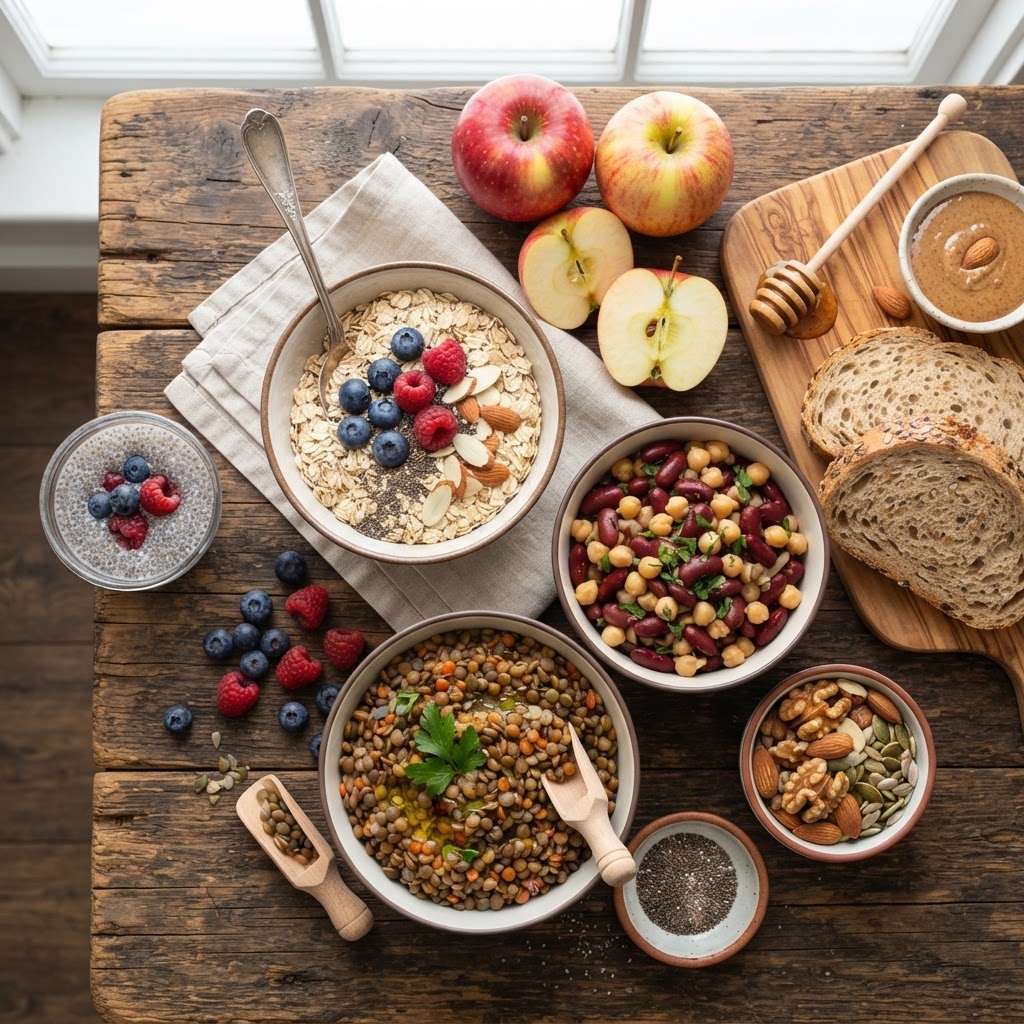
Fibermaxxing is simple. It is the practice of trying to maximize the amount of fiber in your daily diet. Instead of just eating whatever and hoping for the best, you actively plan your meals around fiber-rich foods. Think oats, beans, lentils, chia seeds, berries, whole grains, nuts, and vegetables. The goal is to hit or exceed the recommended daily fiber intake, which is about 25 grams for women and 38 grams for men.
Now, you might be thinking: fiber? Really? That stuff my grandma used to talk about? Yes, exactly that stuff. But here is why it is trending right now.
For years, protein was the star of the nutrition world. Everyone was talking about high-protein diets, protein shakes, protein bars, protein everything. But nutrition experts have been quietly saying the same thing for decades: most people are not getting enough fiber. And the data backs that up. Only about 1 in 10 Americans actually meets their daily fiber goals. The average adult gets just 10 to 15 grams a day, which is less than half of what they need.
So when TikTok creators and health influencers started talking about fiber, it struck a nerve. People realized they had been ignoring this nutrient for years. And the more they learned about what fiber actually does for your body, the more obsessed they became.
How Social Media Turned Fiber Into a Movement
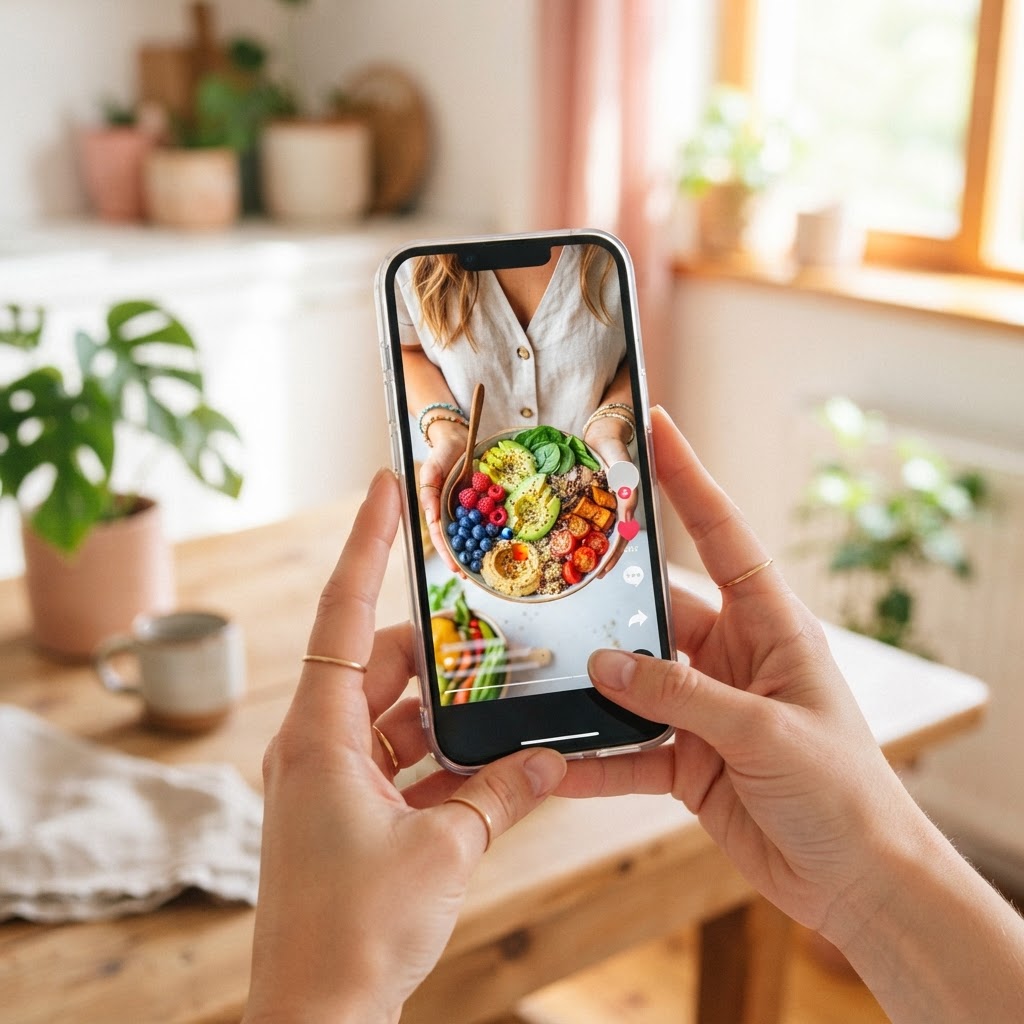
The hashtag #fibermaxxing has exploded on TikTok. You will find gastroenterologists posting about it, dietitians sharing meal plans, and regular people documenting their daily fiber intake like it is a video game score. Some creators call themselves "fiber obsessed" and share tips on how to sneak extra fiber into every single meal.
I think the reason it caught on so fast is that fiber is relatable. Everyone deals with digestion. Everyone wants to feel better, have more energy, and avoid health problems down the road. Unlike complicated diet trends that require you to buy expensive supplements or cut out entire food groups, fibermaxxing just asks you to eat more plants. It is simple, it is cheap, and it feels achievable.
Even major food companies are getting in on it. Pepsi, Nestle, and brands like Olipop are racing to add fiber to their products. CNBC called fiber "the next protein" back in late 2025, and that prediction is coming true in 2026. Grocery shelves are filling up with high-fiber snacks, fiber-enhanced drinks, and products proudly advertising their fiber content on the front of the package.
The Science Behind Fibermaxxing: What Fiber Actually Does to Your Body
Okay, so people are excited about fiber. But what does it actually do? Let me explain, because the science here is genuinely impressive.
Fiber is a type of carbohydrate that your body cannot digest. Unlike other carbs that get broken down into sugar, fiber passes through your digestive system mostly intact. And that is exactly why it is so powerful. It does not just sit there doing nothing. It actively works to keep you healthy in several different ways.
Hannah Holscher, a nutrition professor at the University of Illinois, told NPR that fiber helps reduce your risk of obesity, cardiovascular disease, type 2 diabetes, and certain types of cancer, especially colorectal cancer. That is a pretty incredible list for something most people never think about.
Soluble vs Insoluble Fiber: Why You Need Both
Here is something a lot of fibermaxxing beginners do not realize: there are two main types of fiber, and you need both.
Soluble fiber dissolves in water and forms a gel-like substance in your gut. It helps lower cholesterol and manage blood sugar levels. Good sources include oats, beans, lentils, chia seeds, apples, and mushrooms. If you are trying to keep your heart healthy and your blood sugar stable, this is the fiber you want.
Insoluble fiber does not dissolve. It adds bulk to your stool and keeps things moving through your digestive tract. Think of it as nature's broom. Good sources include whole grains, kale, nuts, and seeds. If you have ever struggled with constipation, this is the fiber that helps.
The good news? Most fiber-rich foods contain a mix of both types. So you do not need to overthink it. Just eat a variety of plant-based foods and you will naturally get both.
Fibermaxxing and Gut Health: The Microbiome Connection
This is where things get really interesting. Fiber is not just about keeping you regular. It is the primary fuel source for the trillions of bacteria living in your gut. Yes, you have an entire ecosystem of microbes inside you, and they need to be fed.
When you eat fiber, those gut bacteria ferment it and produce short-chain fatty acids. These compounds reduce inflammation, support your immune system, and may even influence your mood. There is a reason scientists sometimes call the gut the "second brain." The health of your microbiome affects everything from your digestion to your mental health.
Here is the thing though: different bacteria feed on different types of fiber. So if you only eat oats every single day, you are only feeding certain bacteria. A study found that people who ate more than 30 different types of plant-based foods per week had a more diverse and healthier gut microbiome. More variety means more happy bacteria, which means a healthier you.
Holscher recommends aiming for at least 5 different fiber sources each day. That could be as simple as having an apple, some carrots, a handful of nuts, a bowl of oats, and some beans at dinner. Not complicated at all.

High Fiber Foods List: What to Eat for Fibermaxxing
If you want to start fibermaxxing, you need to know which foods pack the biggest fiber punch. Here is a practical list to get you started:
- Chia seeds: 10 grams of fiber per ounce. Add them to smoothies, yogurt, or overnight oats.
- Lentils: 15 grams per cooked cup. Perfect for soups, stews, and curries.
- Black beans: 15 grams per cooked cup. Great in tacos, salads, and rice bowls.
- Oats: 4 grams per half cup dry. The classic breakfast choice for fibermaxxers.
- Avocado: 10 grams per whole avocado. Spread it on whole grain toast.
- Raspberries: 8 grams per cup. Sweet, tart, and loaded with fiber.
- Pears: 6 grams per medium pear. Keep the skin on for maximum fiber.
- Whole wheat pasta: 6 grams per cup. An easy swap from regular pasta.
- Almonds: 3.5 grams per ounce. A quick snack that adds up fast.
- Broccoli: 5 grams per cup. Roast it, steam it, or throw it in a stir-fry.
- Quinoa: 5 grams per cooked cup. A versatile grain that works in salads or as a side.
- Sweet potatoes: 4 grams per medium potato with skin. Bake, roast, or mash.
Notice something? Every single food on this list is a whole food. Nothing processed, nothing artificial. That is not a coincidence. The best fiber sources are always foods that come straight from plants.
Fiber Layering: The Strategy Pros Recommend
Candace Pumper, a dietitian at Ohio State University, recommends something called "fiber layering." Instead of trying to eat one giant fiber-rich meal, you add small amounts of fiber to foods you already enjoy throughout the day.
For example, you could add apple slices and walnuts to your morning oatmeal. Stir tart cherries and pumpkin seeds into Greek yogurt. Spread hummus or avocado on whole grain bread. Toss a handful of beans into your salad or soup at lunch. Each addition might only add 2 to 4 grams of fiber, but by the end of the day, it all adds up.
I love this approach because it does not feel like you are on a diet. You are just making small upgrades to meals you already eat. No dramatic changes, no suffering, no giving up foods you love.
How Much Fiber Do You Actually Need Each Day?
The official recommendation is 14 grams of fiber for every 1,000 calories you eat. For most adults, that works out to about 25 to 38 grams per day. But here is the reality: almost nobody hits that target. The average American gets just 10 to 15 grams daily. That is a massive gap.
Some fibermaxxing influencers on social media push for 80 or even 100 grams of fiber per day. Is that safe? Berkeley Limketkai, a gastroenterologist at UCLA Health, says that while some cultures with traditionally plant-based diets do consume that much, someone who is not used to it and suddenly jumps to 70 to 90 grams could experience a lot of adverse effects. Think bloating, gas, cramps, and digestive distress.
The experts are pretty unanimous on this: meet your daily fiber needs, but do not try to max them out to some absurd number. Pumper put it perfectly: "Our bodies function best with balanced, gradual changes, not extremes."
Fibermaxxing Mistakes to Avoid: What the Experts Warn About
Like any trend, fibermaxxing has some pitfalls. Here are the most common mistakes people make and how to avoid them:
1. Going From Zero to Fifty Overnight
This is the number one mistake. If you currently eat 12 grams of fiber a day and suddenly jump to 40 grams, your digestive system is going to rebel. Holscher compares it to training for a 5K race. You do not start by running 5 kilometers on day one. You build up gradually. Add a few extra grams to each meal over the course of a few weeks.
2. Not Drinking Enough Water
Fiber needs water to do its job. Without enough water, fiber can actually cause constipation instead of preventing it. If you are increasing your fiber intake, you need to increase your water intake too. Aim for at least 8 glasses a day, and more if you are very active.
3. Relying Only on Supplements
Fiber supplements like psyllium husk can be helpful, but they should not be your only source. Whole foods contain antioxidants, vitamins, minerals, and other nutrients that supplements just cannot replicate. Use supplements to top up if needed, but get most of your fiber from real food.
4. Ignoring Variety
Eating the same three high-fiber foods every day is better than nothing, but it is not optimal. Your gut bacteria thrive on variety. Try to eat as many different plant-based foods as you can throughout the week. Challenge yourself to try a new vegetable, grain, or legume every few days.
5. Ignoring Medical Conditions
If you have IBS, Crohn's disease, or other digestive conditions, talk to your doctor before jumping into fibermaxxing. Some types of fiber can make symptoms worse for certain people. A registered dietitian can help you figure out which fibers work for your body and which ones to avoid.
Why Fiber Is Called the New Protein in 2026
Protein has been the darling of the nutrition world for years. Every grocery store has protein bars, protein shakes, protein cereals, and protein-fortified everything. But in 2026, fiber is stealing the spotlight.
The Washington Post declared fiber as "the 2026 it nutrient." CNBC called it "the next protein." Food and beverage companies are reformulating products to add fiber. Brands like Olipop are selling prebiotic sodas that market gut health as their main selling point. Even Gen Z is getting involved. A study by Chartwells found that fibermaxxing and grazing are two of the biggest dining trends guiding Gen Z food choices.
I think this shift makes sense. People are becoming more aware of gut health and the microbiome. GLP-1 medications like Ozempic and Wegovy have made people think more about digestion and metabolic health. Fiber supports all of that naturally, without any prescriptions or side effects. It is the kind of trend that actually has solid science behind it, which is refreshing in a world full of questionable wellness fads.
Fibermaxxing on a Budget: You Do Not Need Expensive Products One of the best things about fibermaxxing is that it is genuinely affordable. You do not need to buy fancy supplements or expensive superfood powders. Some of the highest-fiber foods are also the cheapest.
Lentils cost about $1.50 per pound and pack 15 grams of fiber per cooked cup. Oats are one of the cheapest foods in the grocery store. Beans, whether canned or dried, are incredibly inexpensive. Brown rice, sweet potatoes, bananas, and carrots are all budget-friendly and fiber-rich.
If you want to fibermaxx without spending extra money, just swap a few items on your regular grocery list. Trade white rice for brown rice. Swap white bread for whole grain. Add a can of beans to your soup. Throw some chia seeds into your smoothie. These are small changes that cost almost nothing but make a big difference in your daily fiber intake.
Lentils cost about $1.50 per pound and pack 15 grams of fiber per cooked cup. Oats are one of the cheapest foods in the grocery store. Beans, whether canned or dried, are incredibly inexpensive. Brown rice, sweet potatoes, bananas, and carrots are all budget-friendly and fiber-rich.
If you want to fibermaxx without spending extra money, just swap a few items on your regular grocery list. Trade white rice for brown rice. Swap white bread for whole grain. Add a can of beans to your soup. Throw some chia seeds into your smoothie. These are small changes that cost almost nothing but make a big difference in your daily fiber intake.
Frequently Asked Questions About Fibermaxxing
Is fibermaxxing safe for everyone?
For most healthy adults, increasing fiber intake is safe and beneficial. However, if you have IBS, Crohn's disease, or other digestive conditions, you should talk to your doctor first. Some types of fiber can trigger symptoms in sensitive individuals. Start slow and pay attention to how your body responds.
How long does it take to see benefits from eating more fiber?
Many people notice improved digestion within a few days of increasing fiber intake. Long-term benefits like lower cholesterol and better blood sugar control can take weeks to months. The key is consistency. Eating fiber-rich foods every day is what makes the difference, not one big fiber-heavy meal.
Can you eat too much fiber?
Yes. Eating too much fiber too quickly can cause bloating, gas, cramps, and constipation. Experts recommend increasing your intake gradually over a few weeks and drinking plenty of water. Most people should aim for 25 to 38 grams per day, not 80 or 100.
What is the best way to start fibermaxxing?
Start by tracking your current fiber intake for a few days to see where you stand. Then add one or two high-fiber foods to your daily meals. Try fiber layering: add nuts to your oatmeal, beans to your salad, or chia seeds to your yogurt. Build up slowly over a few weeks until you hit your daily target.
Are fiber supplements as good as whole foods?
Not quite. Supplements can help you top up your fiber intake, but whole foods provide additional nutrients like vitamins, minerals, and antioxidants that supplements lack. Get most of your fiber from real food and use supplements only as a backup.
Conclusion: Should You Try Fibermaxxing in 2026?
Here is my honest take: fibermaxxing is one of the few internet nutrition trends that is actually backed by real science. Most wellness fads come and go, but fiber has decades of research behind it. It helps your heart, your gut, your blood sugar, your weight, and even your lifespan. And the best part? You do not need to buy anything special. Just eat more plants.
But remember, the keyword is "gradual." Do not wake up tomorrow and try to eat 50 grams of fiber in one day. Your stomach will not thank you. Start slow, drink water, eat a variety of foods, and build up over a few weeks. Think of it as a marathon, not a sprint.
If you are one of the 90 percent of people who are not getting enough fiber, this trend is a great opportunity to fix that. Your gut bacteria will thank you. Your heart will thank you. And honestly, you will probably just feel better overall. More energy, better digestion, fewer cravings. That sounds like a pretty good deal to me.
So go ahead and join the fibermaxxing movement. Add some beans to your lunch. Throw chia seeds in your smoothie. Swap your white bread for whole grain. Small changes, big results. And unlike most internet trends, this one might actually add years to your life.


Comments
Post a Comment