Claude AI Watermarks: What Anthropic's Invisible Text Marking Means for You in 2026
Claude AI Watermarks: What Anthropic's Invisible Text Marking Means for You in 2026
So here's something that kind of blew my mind this week. If you've used Claude to write anything since August 2, 2026, there's an invisible watermark hiding in your text. You can't see it. You can't delete it. And you definitely didn't ask for it. But it's there, baked into the very words the AI chose, quietly marking everything as machine-generated.
Anthropic, the company behind Claude, quietly rolled out AI watermarks across all their models earlier this month. No opt-out. No toggle switch. No warning popup. Just a global policy that says: if Claude writes it, Claude marks it. And honestly, I have some thoughts about that.
What Are Claude AI Watermarks and How Do They Work?
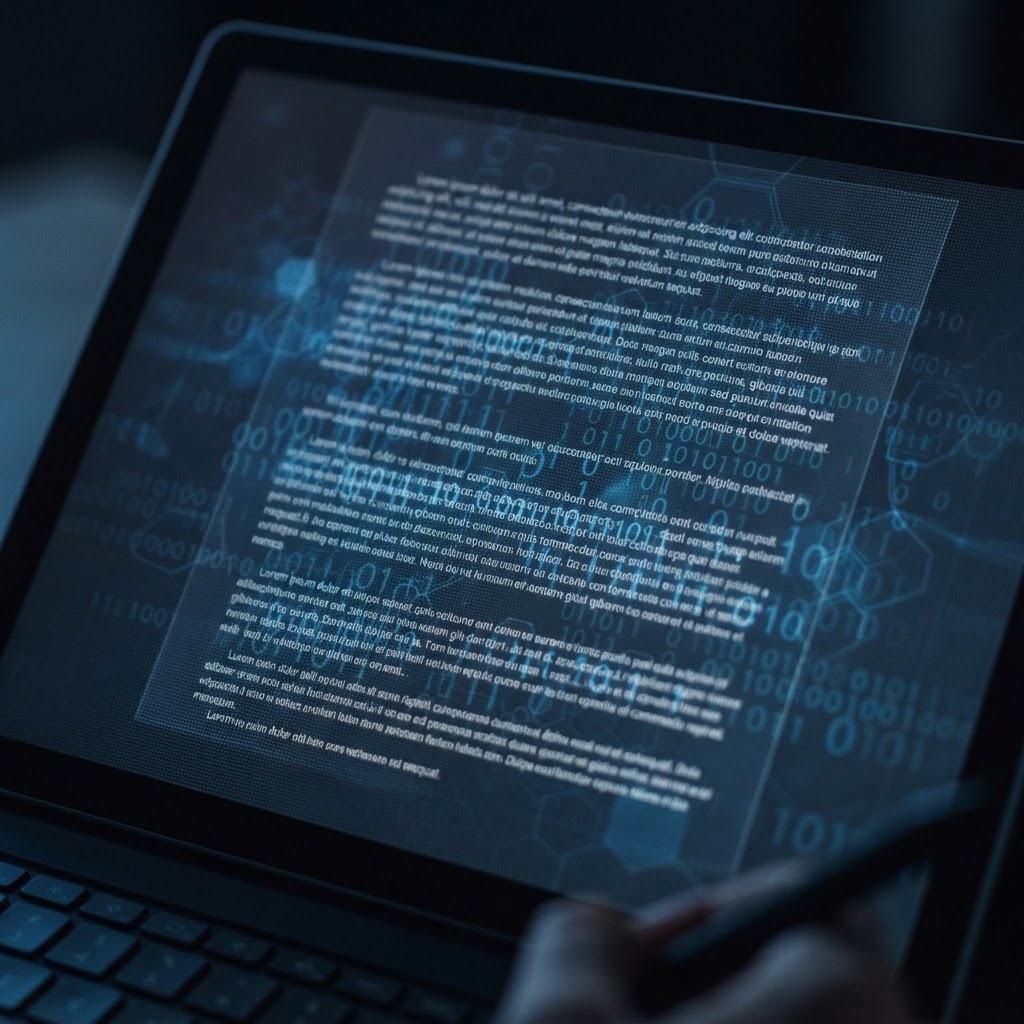
Okay, so let me break this down in plain English because the technical details floating around online are pretty dense. The Claude AI watermark is not a visible stamp or a logo in the corner of your document. Nothing that obvious. Instead, it works by subtly changing which words Claude picks when it writes something.
Think about it like this. When you write a sentence, you have dozens of word choices that mean roughly the same thing. "The cat sat on the mat" or "The cat rested on the mat." Same meaning, different word. Claude normally picks words based on what sounds most natural. But with the watermarking system active, Claude slightly biases those choices toward specific words in a pattern. You would never notice it reading the text. But if you scan enough of it with the right detection tool, the pattern becomes visible.
It's kind of like a secret barcode made of vocabulary choices. Clever? Yes. A little creepy? Also yes.
The C2PA File Metadata System
For files that Claude generates, like images or documents, Anthropic is using something called C2PA metadata. This is a standard that attaches signed provenance information to the file, basically a digital receipt that says "this was made by Claude, on this date, with this model version." The metadata is cryptographically signed, which means tampering with it should be detectable.
So even if someone downloads a Claude-generated file and tries to pass it off as their own original work, the metadata trail is still there. Unless someone specifically strips it out, which, let's be real, plenty of tech-savvy people will figure out how to do.
Why Did Anthropic Add Watermarks to AI Text?
Here's where the story gets interesting. Anthropic didn't just wake up one morning and decide to watermark everything for fun. They're doing it because the European Union told them to. Specifically, Article 50 of the EU AI Act, which requires AI companies to be transparent about when content is machine-generated.
The EU AI Act is one of the most significant pieces of tech regulation in recent memory. It basically says: if an AI creates something, people have a right to know it was AI-created. No more blurting out AI text and pretending a human wrote it, at least not in Europe. And since Anthropic operates globally, they decided to apply the watermarking everywhere, not just in EU markets.
From a policy perspective, I actually get it. The internet is already drowning in AI-generated content. Blog posts, product reviews, news articles, social media comments, college essays. A lot of it is getting harder and harder to distinguish from human writing. Having some way to tell what's real and what's AI feels important, especially with deepfakes and misinformation running wild.
The Backlash: Why Users Are Furious About AI Text Watermarks
But here's the thing. Not everyone is thrilled about this. In fact, a lot of Claude users are genuinely angry. And after reading through forums and comment sections, I think they have some legitimate points.
First, there's the consent issue. Anthropic didn't ask users before adding watermarks. There's no setting to turn it off. If you pay for Claude and use it to draft a business email, a blog post, or a creative story, that content now carries an invisible AI signature. Some people feel like that's a violation of their trust. You're paying for a tool, and the tool is secretly tagging your output.
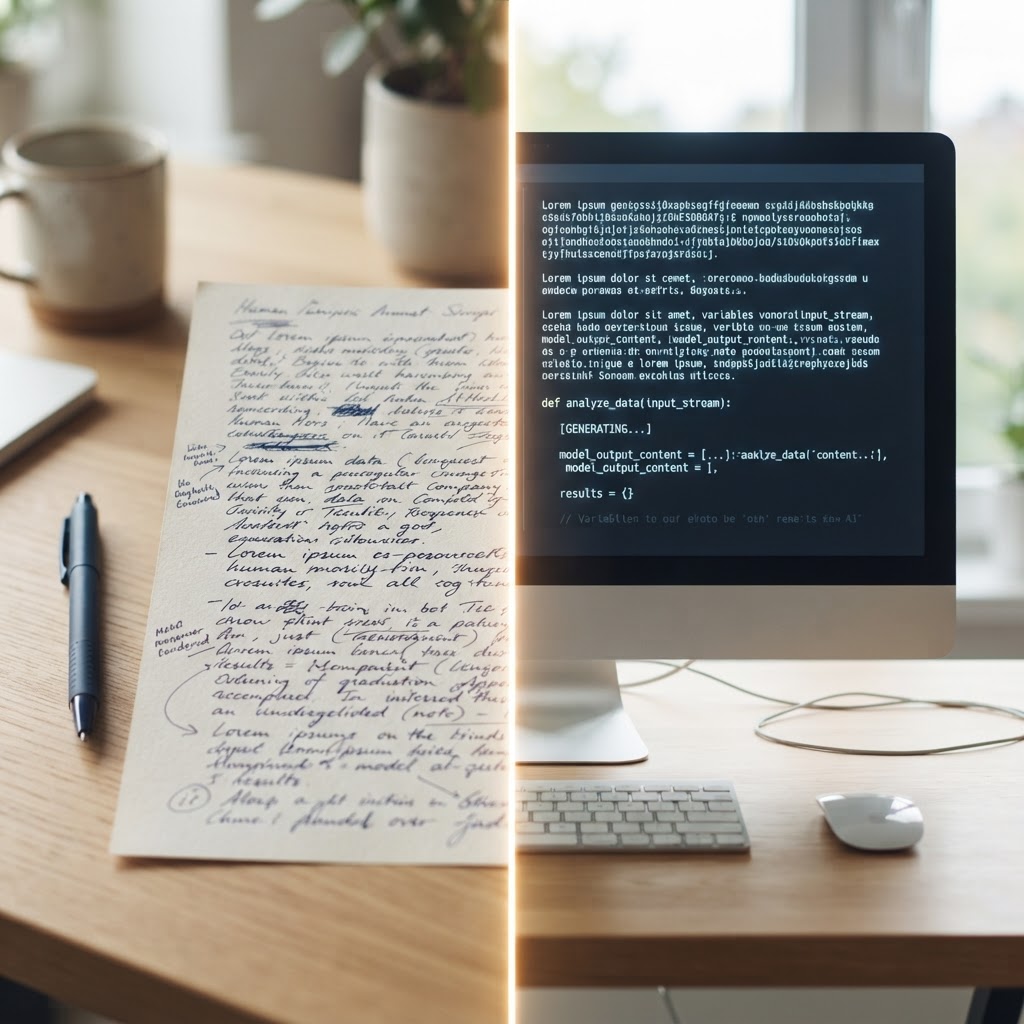
Second, there's the false positive problem. What if someone writes something entirely by hand, and a detection tool wrongly flags it as AI-generated because their writing style happens to match the watermark pattern? We've already seen this happen with AI detection tools in schools. Students get accused of cheating when they actually wrote their own work. Adding more detection systems just increases the chances of innocent people getting caught in the crossfire.
Third, and this one is more philosophical: does using AI to help with writing make the final product "AI-generated"? If I write a rough draft myself and then ask Claude to polish the grammar and flow, is the whole thing now AI-marked? Where's the line? Anthropic hasn't been super clear about this, and that ambiguity makes people nervous.
What Reddit and Forums Are Saying
I spent some time reading through Reddit threads and tech forums about this, and the reactions range from mildly annoyed to genuinely panicked. One user wrote that they use Claude for their freelance writing business and now worries clients might run detection tools and reject their work. Another person pointed out that the watermark only affects Claude's output, not ChatGPT or Gemini, which creates an uneven playing field. Why should Claude users be penalized when competitors' tools don't have the same marking?
Someone else made a really sharp observation: if the watermark is based on word choice patterns, then any human who happens to write in a style similar to Claude's output could get falsely flagged. And since Claude is trained on human writing, there's a weird circular logic here. The AI learned from humans, and now humans might get accused of being AI because they write like the AI that learned from them. My head hurts just thinking about it.
AI Content Detection: The Bigger Picture in 2026
The Claude watermark situation is really part of a much bigger conversation that's been building all year. AI content detection has become a mini-industry of its own. Schools use tools like Turnitin's AI detector. Publishers run submissions through GPTZero and similar services. Social media platforms are experimenting with AI content labels. And now AI companies themselves are building detection directly into their outputs.
But here's the dirty secret about AI detection that nobody likes to talk about: it doesn't work perfectly. In fact, it's wrong a lot. Studies have shown that AI detection tools have false positive rates between 4 and 9 percent. That might sound low, but if you're a student whose paper gets flagged, that's a 100 percent false accusation rate for you personally.
The problem is that AI text and human text exist on a spectrum. There's no hard line between them. A well-structured essay written by a human and a well-structured essay written by AI can look nearly identical. Detection tools look for statistical patterns, and those patterns overlap. It's like trying to tell two identical twins apart by measuring their pinky fingers. Sometimes you get lucky. Sometimes you don't.
EU AI Act Article 50: The Law Behind the Watermarks
If you're wondering why any of this is happening, the answer comes down to one specific piece of European legislation. Article 50 of the EU AI Act requires providers of AI systems to ensure that synthetic text, audio, image, and video content is machine-detectable as artificially generated or manipulated.
In plain terms: the EU wants every piece of AI content to carry a machine-readable flag that says "I was made by a computer." The goal is transparency. People should know when they're reading AI-generated news, watching AI-generated videos, or listening to AI-generated audio. Especially with deepfakes becoming more realistic by the day.
The law gives companies a transition period. Models launched before August 2, 2026 get some extra time to comply. But new models launching in the EU from that date forward need to have watermarking built in from the start. That's why Anthropic flipped the switch on August 2, 2026.
Other AI companies are going to face the same requirement. OpenAI, Google, Meta. If they operate in the EU, they'll need some form of content marking too. It's not a question of if, but when. Anthropic just got there first.

Can You Remove or Bypass Claude AI Watermarks?
This is the question everyone is asking, so let me address it directly. Based on what Anthropic has said publicly, the text watermark is embedded in the word choice patterns of the generated text. It's not a separate file or a hidden code block. It's woven into the actual language. Which means removing it isn't as simple as deleting a metadata tag.
If someone takes Claude's output and heavily edits it, rewriting sentences and changing word choices, the watermark pattern would get disrupted. But how much editing is needed to break the pattern? Anthropic hasn't said. And detection tools might still find partial matches even in heavily edited text.
For file-based content with C2PA metadata, stripping the metadata is technically possible but requires specific tools and knowledge. Most ordinary users wouldn't know how to do it. But anyone determined to remove the AI signature probably can, at least for now. It's a cat-and-mouse game, and it always will be. Every detection method eventually spawns a workaround.
What This Means for Writers, Students, and Businesses
Let's talk about the practical implications, because this affects a lot of people in very real ways.
For Freelance Writers and Content Creators
If you use Claude to help with your writing work, you need to be aware that your output now carries an invisible AI mark. Some clients might not care. Others might run detection tools and question your work. My advice? Be upfront. If you use AI as a tool, tell your clients. Honesty beats getting caught and looking dishonest.
For Students
This is where things get really tricky. If you use Claude to brainstorm ideas or outline an essay, and then write the actual paper yourself, does the watermark carry over? Probably not, since you're doing the actual writing. But if you generate a draft with Claude and then lightly edit it, the pattern might still be there. Schools are already using AI detection tools, and false positives are a real problem. Protect yourself by doing your own writing and using AI only for research and brainstorming.
For Businesses
Companies using Claude for marketing content, product descriptions, or customer communications should know that this content is now marked. In most cases, this won't matter. But if your brand values authenticity and transparency, you might want to disclose your use of AI in content creation. Some companies are already doing this proactively, adding labels like "drafted with AI assistance" to their content. It's not legally required in most places yet, but it builds trust.
How Claude's Watermarks Compare to Other AI Models
Right now, Claude is the only major AI model with built-in text watermarking. ChatGPT doesn't have it. Google's Gemini doesn't have it. Meta's Llama doesn't have it. This creates a weird competitive imbalance.
If you're choosing between AI tools and you know Claude's output is marked but ChatGPT's isn't, which do you pick? Some users will switch to unwatermarked alternatives, at least until those tools are also forced to comply with EU regulations. Anthropic is taking a risk here by going first. They're doing the right thing from a regulatory standpoint, but they might lose users in the short term.
The irony is that Anthropic, a company built on the premise of AI safety and responsibility, is getting punished for being responsible. That's not fair, but it's how markets work. Everyone waits for someone else to make the first move, and then criticizes them for it.
What Comes Next for AI Content Transparency?
I think we're at the beginning of a major shift in how AI content is handled, not the end. Here's what I expect to happen over the next year or so.
First, other AI companies will follow Anthropic's lead. The EU AI Act applies to everyone, not just Claude. OpenAI and Google will need to implement their own watermarking or content marking systems. It might look different from Anthropic's approach, but the end result will be the same: AI content will be identifiable.
Second, detection tools will get better. Right now, AI detection is unreliable. But as companies build watermarking directly into their models, detection becomes more accurate. Instead of guessing whether text is AI-generated based on vague statistical patterns, tools can look for the specific watermark signatures embedded by each model.
Third, we'll see a new wave of debates about consent, privacy, and ownership. If an AI company marks your content without asking, do you have a right to remove that mark? Is it your content or their content? These are questions that courts and lawmakers will need to answer, and probably not quickly.
Fourth, and maybe most importantly, we'll see a cultural shift in how we think about AI-assisted work. Right now, there's a stigma around using AI for writing. People hide it. But as marking becomes universal, that stigma might fade. If everyone's AI content is marked, then using AI becomes just another tool, like using a spell checker or a calculator. The shame factor disappears.
Frequently Asked Questions About Claude AI Watermarks
Can I turn off Claude AI watermarks?
No. As of August 2026, Anthropic has not provided an opt-out option. The watermarking is applied globally to all Claude model outputs. Whether they add an opt-out in the future depends on regulatory developments and user feedback.
Do Claude AI watermarks work on all types of content?
The text watermark applies to all text generated by Claude models. For files like images and documents, Anthropic uses C2PA metadata to mark AI involvement. Both systems are designed to make AI-generated content detectable.
Will ChatGPT and Gemini also add watermarks?
It's very likely. The EU AI Act Article 50 applies to all AI providers operating in the European market. OpenAI, Google, and Meta will need to implement some form of content marking to comply. Anthropic simply did it first.
Can AI watermarks be removed?
Text watermarks are difficult to remove because they're embedded in word choice patterns. Heavy editing and rewriting can disrupt the pattern, but it's unclear how much editing is needed. File metadata can be stripped with technical tools, but most ordinary users wouldn't know how.
Are AI detection tools accurate?
Not always. Current AI detection tools have false positive rates between 4 and 9 percent, meaning they sometimes flag human-written text as AI-generated. Watermarking should improve accuracy over time, but the technology is still evolving.
The Bottom Line on AI Watermarks
Look, I get why Anthropic did this. The internet is filling up with AI content at a pace that's honestly a little scary. Being able to tell what's real and what's machine-generated matters. Transparency matters. I don't think anyone seriously argues against that.
But the way this was rolled out, with no warning, no opt-out, and no clear answers about how it affects people who use AI as a writing aid, feels rushed. People who pay for Claude deserve to know what they're getting. And right now, they're getting a tool that secretly tags everything it produces.
My take? This is probably the future whether we like it or not. AI content marking is coming for every model, not just Claude. The EU has decided that transparency is non-negotiable, and other countries will likely follow. So instead of fighting it, we should be talking about how to implement it fairly. Give users control. Provide clear documentation. Make sure false positives don't ruin someone's academic career or professional reputation.
If you're using AI tools for writing, my advice is simple: be honest about it. Don't try to hide it. Because the days of passing off AI text as human work are coming to an end, one invisible watermark at a time.


Comments
Post a Comment