Hypochlorous Acid Spray: Why This Skincare Trend Is Everywhere in 2026
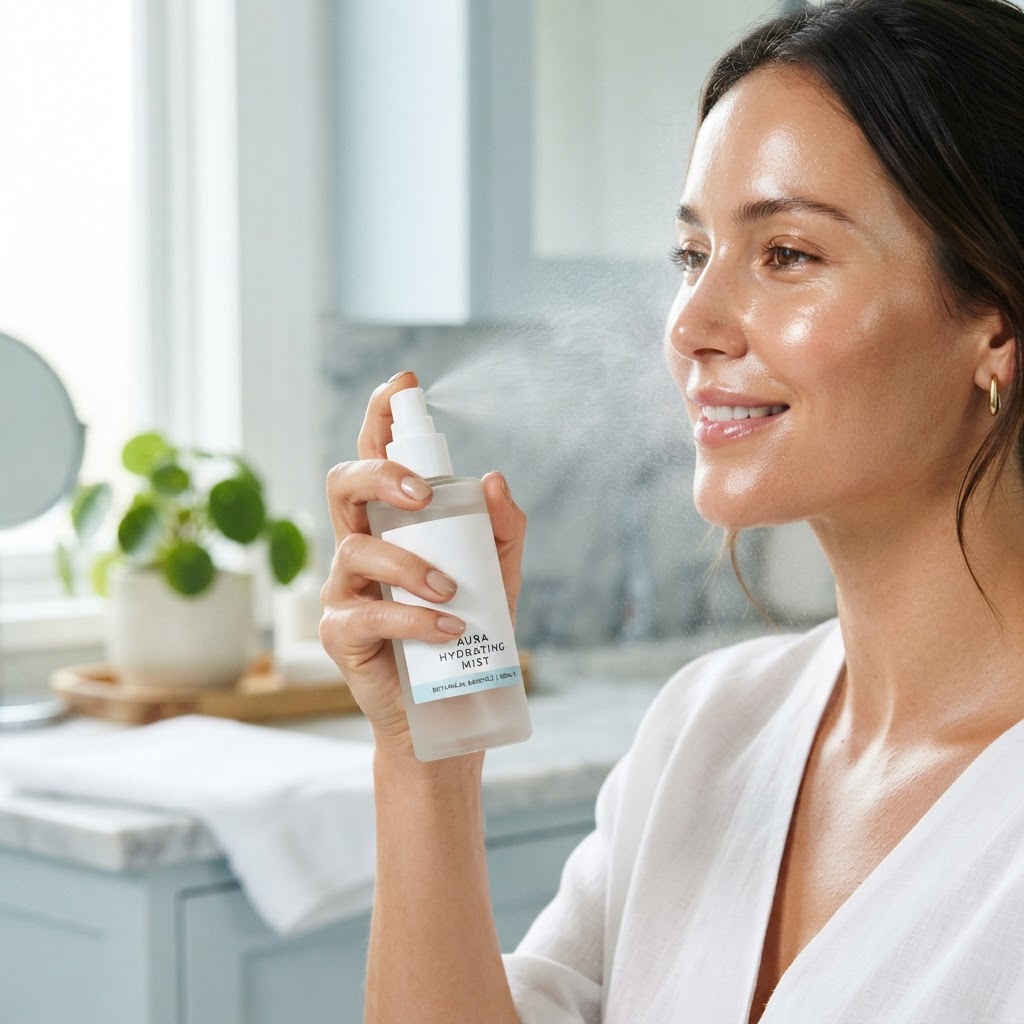
Have you heard about hypochlorous acid spray? If you've been on skincare TikTok or looked at the beauty aisle lately, you've seen it. This small spray bottle is the must-have product of 2026. Search growth has hit 8,600% in five years. But here's the wild part. Hypochlorous acid isn't some lab-made thing cooked up by a beauty brand. Your own body makes it. Right now. When you get a cut or a bug bite, your white blood cells send out hypochlorous acid to fight germs. Now scientists have found a way to put that same germ-fighting power in a bottle for your skin.
Let's talk about why hypochlorous acid spray has everyone from skin docs to TikTok stars talking, what the science says, and if it belongs in your skincare routine.
What Is Hypochlorous Acid and Why Should You Care?
Your Body's Secret Weapon
Hypochlorous acid, or HOCl, is a weak acid made from hydrogen, oxygen, and chlorine. Sounds scary, right? But don't let the name fool you. It's one of the most natural things you can put on your skin.
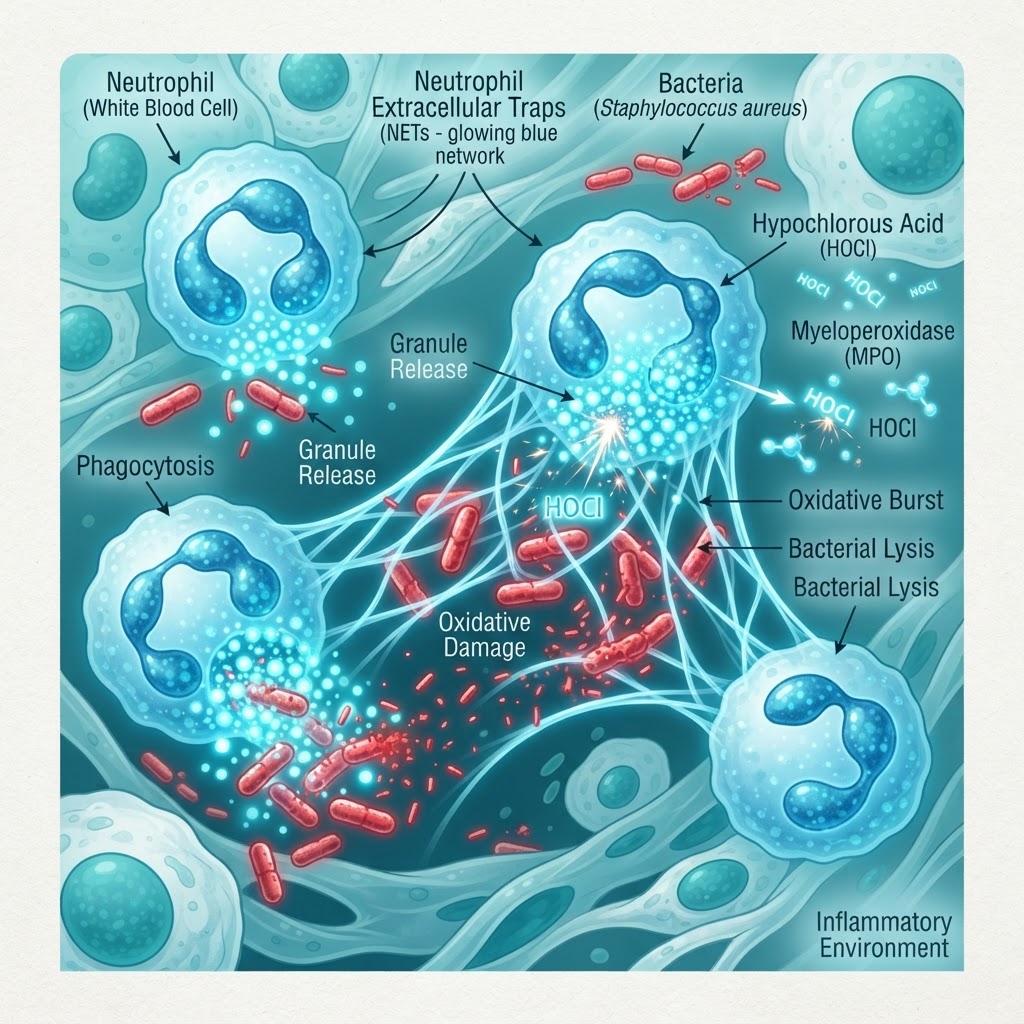
When bad germs get into your body, special white blood cells called neutrophils jump into action. Think of them as your body's first responders. These cells make hypochlorous acid to kill the germs. The acid breaks down the outer shell of bugs and viruses. It takes them apart before they can hurt you.
"Hypochlorous acid is one of your body's natural defenses," says Dr. Sadia Tahir, a skin doctor at Cleveland Clinic. "It's great at killing germs, but it's also very gentle on healthy skin."
Think about that. Your body has been making this stuff your whole life to keep you safe. Now you can spray it right on your face. That's not just smart marketing. That's your own body's power in a bottle.
Not Just Another Trendy Thing
The skincare world moves fast. Every month brings a new hot thing that claims to fix your skin. Most fade away fast. But hypochlorous acid spray is sticking around. The numbers tell the story.
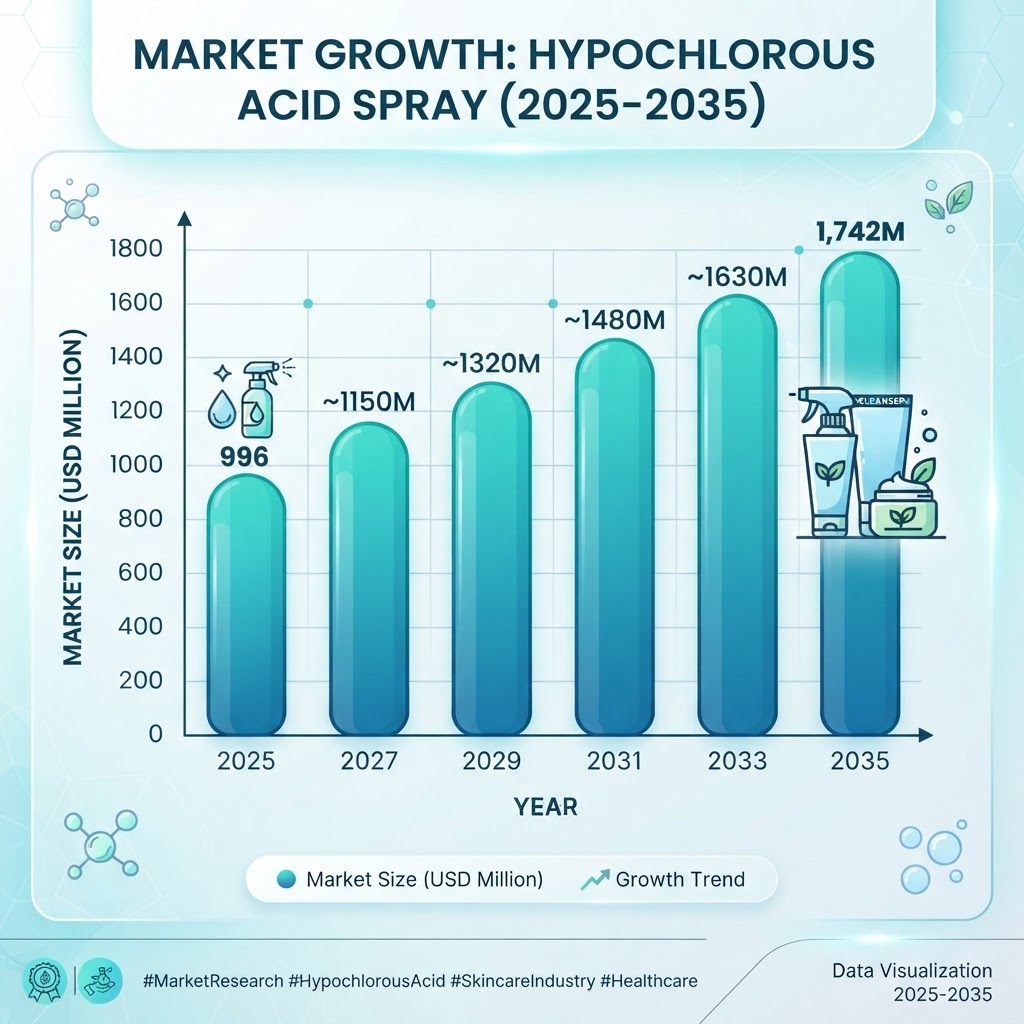
The HOCl spray market was worth about $996 million in 2025. By 2035, it's set to reach $1,742 million. The bigger market for all hypochlorous acid use is even larger. It sits at $6.5 billion in 2026 and could hit $8.2 billion by 2030. That's huge growth for a skincare item that barely existed five years ago.
What makes HOCl different from other trendy things? It's not just a plant extract with thin research. HOCl has decades of real use in wound care, hospital cleaning, and eye care. The science is solid. It was tested in real medical settings long before it showed up on your phone screen.
A Quick History: From WWI to Your Bathroom
Here's a surprise. Hypochlorous acid isn't new at all. A French chemist named Antoine Jerome Balard first made it in a lab back in 1834. The way to make it is simple. You run a small electric current through salty water. That's it.
In World War I, doctors used it on soldiers' wounds to stop infection. They even used it for throat bugs like diphtheria. In the 1940s, London hospitals sprayed HOCl mist into the air to kill germs. It was an early kind of air sanitizer.
More recently, during the COVID-19 crisis, HOCl got attention as a safe cleaner. It killed bugs on surfaces without the harsh fumes of bleach. That push helped it jump into skincare, where it's been rising ever since. The best skincare things don't always come from a rainforest. Sometimes they come from your own body.
The Science: How Hypochlorous Acid Spray Works on Your Skin
Killing Bugs Without the Burn
Your skin is full of bugs. Most are fine. Some even help you. But some cause trouble. The bugs that lead to acne make enzymes that mix with your skin's oils. This creates fatty acids that clog your pores and cause breakouts.
Hypochlorous acid spray goes right at this problem. It kills acne bugs without the harsh effects of normal acne stuff. You know that dry, tight, burning feeling from benzoyl peroxide? HOCl doesn't do that.
The research is strong. In one study, people with mild to moderate acne used HOCl on one side of their face and benzoyl peroxide on the other. The results were clear. HOCl worked just as well. About 23% of HOCl users saw great results versus 21% for benzoyl peroxide. For good results, it was 54% versus 50%. Nearly the same. But HOCl comes without the dry, red skin and bleached towels that benzoyl peroxide causes.
Calming Red, Itchy Skin
Killing bugs is only half the story. HOCl also calms your skin. It tones down the things in your body that cause swelling, red, and itchy spots. This matters a lot, because most skin problems start with swelling.
For folks with eczema, this is huge. In a study, most people who used HOCl felt less itchy in just three days. Three days. That's faster than many Rx treatments, and it comes in a spray you can buy at the store.
Another small study looked at people with seborrheic dermatitis, which causes flaky, itchy skin on the face and scalp. After two weeks of using an HOCl gel, things like burning and stinging got better. By week four, it was even better. Only one person had more redness. For everyone else, the results were good.
Healing Wounds and Scars
This is where HOCl's medical roots shine. Doctors have used it for wound care for over 100 years. New science shows why.
Lab tests show that a 0.01% HOCl mix kills wound bugs as well as or better than common cleaners like iodine and alcohol. But unlike those harsh ones, HOCl doesn't hurt skin cells or slow healing. It's rare to find a cleaner that's tough on germs but soft on skin.
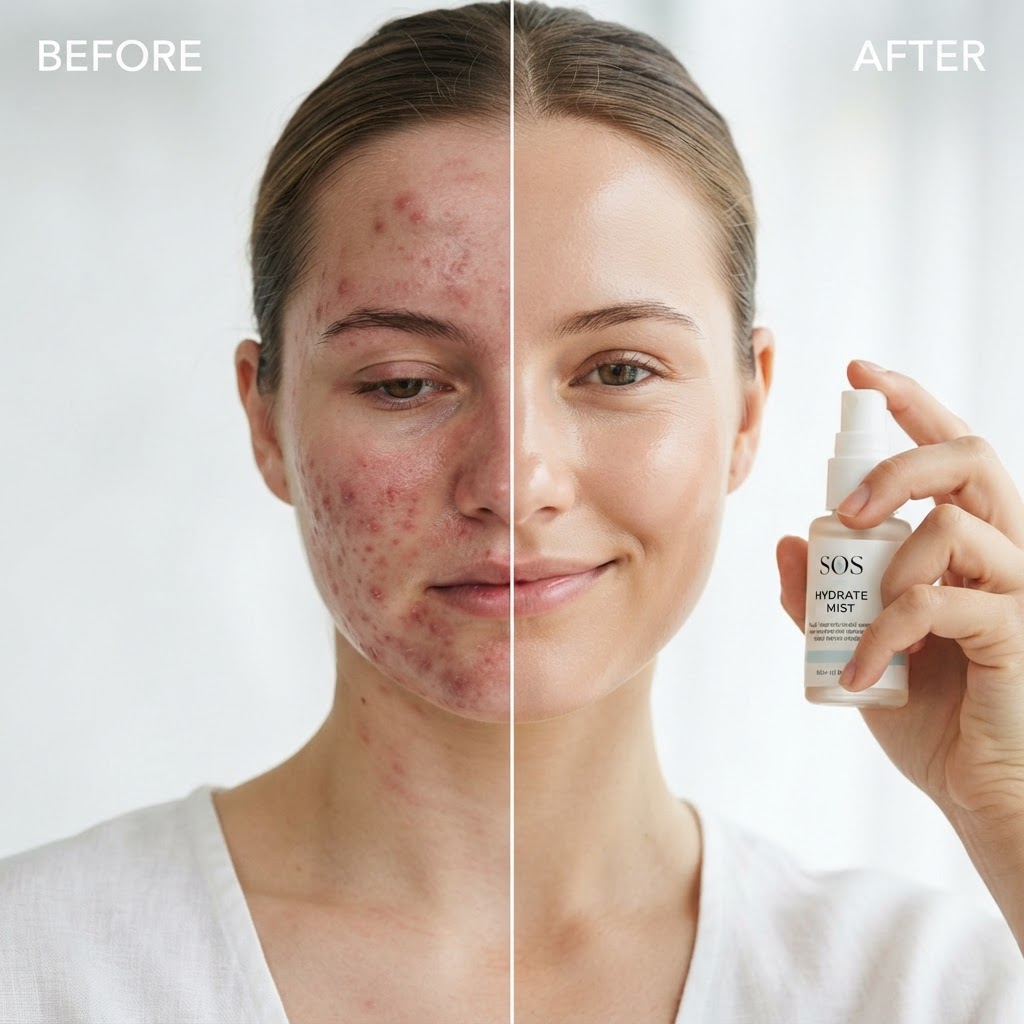
In one study, people who used HOCl for complex wounds needed fewer surgeries, healed faster, and left the hospital sooner. The studies are small, but the results are steady and promising.
For scars, research found that an HOCl gel made scars look better after 16 weeks compared to standard silicone gel. If you've dealt with stubborn scars, you know how hard they are. HOCl gives you a new option backed by real data, not just ad claims.
Who Should Use Hypochlorous Acid Spray?
Great for Sensitive Skin
If your skin is sensitive, you know the struggle. So many things say they're gentle but still leave you red and stinging. HOCl spray is different.
Since it's a thing your body already makes, your skin knows it. It doesn't set off the alarm that strange stuff can. Dr. Tahir calls it a great pick for sensitive skin. It gives you germ-fighting power without the burn or dryness.
At low levels, around 0.008%, HOCl works well for most people. Dr. Adam Friedman, a skin expert at George Washington University, says it works well and is well tolerated at these levels.
Good for Acne-Prone Skin
If breakouts are your main issue, HOCl spray is a gentler choice. Use it after a workout to kill the bugs that cause gym breakouts. Just spray, let it dry, and you're done. No rinsing, no rubbing.
It's great for people who can't handle benzoyl peroxide or salicylic acid. Those can be too harsh for some skin types. They cause more issues than they fix. HOCl gives you the bug-killing power without wrecking your skin barrier.
Helpful for Ongoing Skin Issues
People with eczema, psoriasis, flaky skin, and rosacea may find help with HOCl spray. It calms flare-ups and cuts down the bugs that make these worse.
It's not a cure. Let's be clear. But as part of a skincare routine, it can help manage things and ease pain. The fact that it works in days, not weeks, makes it great for quick relief during a flare-up.
The Best Hypochlorous Acid Sprays in 2026
Tower 28 SOS Daily Rescue Facial Spray at $28
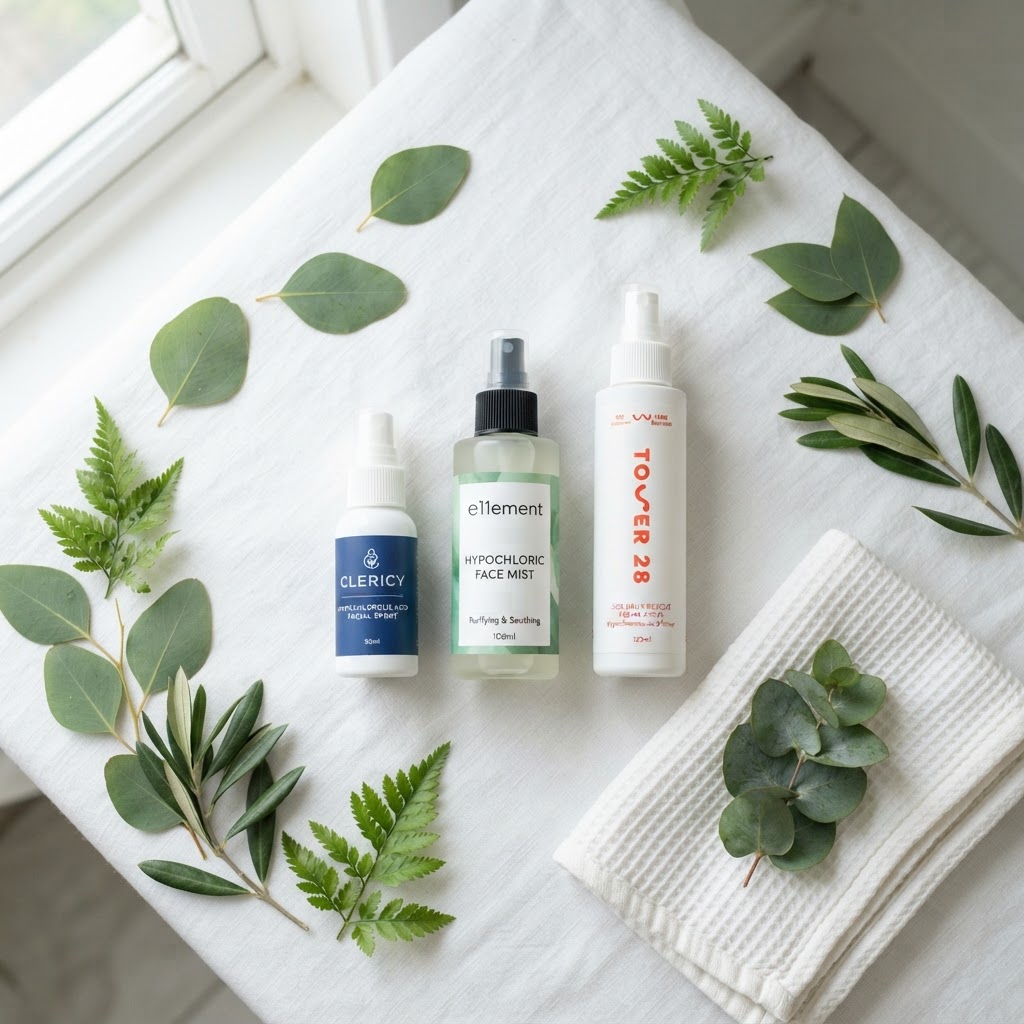
This is the one that started the hype. Tower 28's SOS spray tops nearly every best list, from Allure to Byrdie to Glamour. The NYT Wirecutter tested it and gave it a thumbs up.
The formula is simple. Just HOCl, water, and a bit of salt. No scent, no alcohol, no extra stuff. It's made for sensitive, acne-prone skin, and it shows.
At $28 for a 4 oz bottle, it's not the cheapest, but it's the gold standard. If you're trying HOCl for the first time, start here. The brand has a loyal fan base by keeping it simple and effective.
Prequel Hypochlorous Acid Spray at $17
Prequel is one of the breakout skincare brands of 2026. Their HOCl spray is a fan favorite. At $17, it costs less than Tower 28 but has the same active stuff.
Allure picked it as their Best Overall, noting its clean formula and good results. The brand has been riding a 7,500% surge in searches. If you want to try HOCl on a budget, this is your pick.
Other Good Options
BrioTech HOCl spray is a popular Amazon pick for budget buyers. Hydrinity Hyacyn Active costs more but some swear by it for tougher skin issues. Magic Molecule has also gained fans on social media.
Here's the key thing. All of these have the same active stuff. The changes are in strength, packaging, and extra bits. For most people, any good brand will do the job. You don't need to spend a lot to get the perks of HOCl spray.
How to Use Hypochlorous Acid Spray in Your Routine
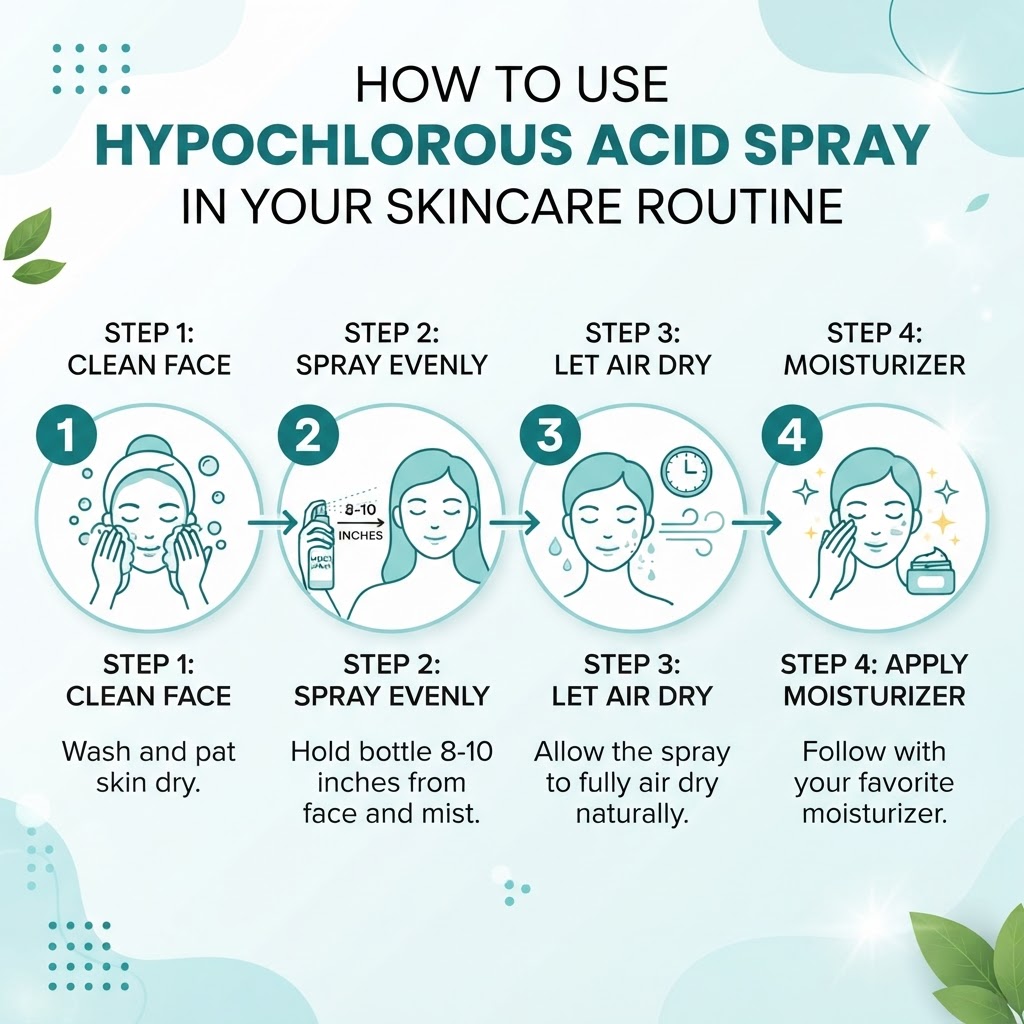
When and How Much
Here's the beauty of HOCl spray. It's so easy to use. No hard steps, no waiting, no tricks. If you can mist water on your face, you can use this.
For daily use, spray it on clean skin once or twice a day. Use it like a toner in the morning and at night. Hold the bottle 8 to 10 inches from your face. Mist it on, let it dry, or pat it in. That's the whole thing.
After a workout, spray it on to kill gym bugs before they cause breakouts. Keep a bottle in your gym bag. It dries fast and leaves no mess. Perfect for busy days.
What Not to Mix It With
This matters. Dr. Friedman says don't mix HOCl with strong peels like lactic acid, glycolic acid, or salicylic acid. Using them together can make your skin more touchy and cause issues.
If you use peels in your routine, space them out from your HOCl spray by a few hours. Use the peel at night and the spray in the morning, or flip it. Easy timing fixes it. You don't have to pick favorites. Just be smart about when you use them.
Storage Tips That Help
HOCl doesn't like light or heat. Over time, they can make it less effective. Keep your spray in a cool, dark spot. Some folks keep it in the fridge. That can make it last longer and feel great on your skin, mostly in summer.
Check the date on your bottle. Unlike some skincare that lasts for years, HOCl can lose power over time. If your spray smells odd or seems weak, get a new one. Fresh means better results.
Risks and Side Effects: What to Know
Safe for Most, But Not Perfect
For most people, HOCl spray is very safe. Studies show it's well tolerated with no serious side effects. But nothing in skincare is 100% risk-free.
If you use too much, it can cause red, itchy, or sore skin. The key word is overuse. More isn't always better, even with gentle stuff. Your skin has limits. Good skincare means knowing them.
Dr. Friedman says to use it for short bursts, not forever. "Long use can raise the chance of issues," he says. This doesn't mean you can't use it a lot. Just cycle it in your routine instead of spraying all day. A few weeks on, a week off, is a smart way to go.
Do a Patch Test First
If your skin is sensitive or you've had bad reactions before, test it first. Spray a bit on your inner arm and wait a day. If you don't see red, itchy, or sore spots, you're good to go.
This is basic skincare sense. But it's extra key with any new thing. Even natural stuff can cause issues for some people. Better to find out on your arm than your face.
Not a Magic Fix
Let's be real. HOCl spray won't cure your acne, end your eczema, or erase your scars in a day. It's a helpful tool, not a magic wand. Anyone who says so is selling something.
Most studies on HOCl have been small. The results are good, but we need bigger studies to know how well it works for all types of people. The early data is great, but science takes time.
Use it as part of a balanced routine. If you have a real skin issue, talk to a skin doc. HOCl can help along with medical care, but it shouldn't replace expert advice.
The Future of HOCl in Skincare
The HOCl market is growing fast, and skincare is a big reason. As more people find out about it and science keeps backing it up, we'll see more products on shelves soon.
Look for HOCl in face wash, lotions, masks, and even makeup. Brands are already mixing it with other good stuff like ceramides and peptides. The goal is to make products that use HOCl plus other proven things.
The push toward skin-friendly stuff, things that work with your skin's nature instead of against it, keeps getting stronger. HOCl fits right in. It's not just another thing to buy. It's a sign that the best fixes can come from inside. Your body has made this your whole life. Now you can bottle it and use it your way.
If you want to see how AI is changing how we find and judge skincare trends, check out our post on how AI is rewriting search rules. And for a wider look at how new tech is changing things, our deep dive into silicon carbon batteries shows how fresh ideas are shaking up every field.
Frequently Asked Questions
Is hypochlorous acid spray safe for all skin types?
Hypochlorous acid spray is safe for most skin types, even sensitive skin. It's a thing your body makes, so your skin knows it. But if you've had bad reactions before, test it on your arm first. Stop if you see any red or sore spots.
Can it replace my toner?
Yes, lots of people use HOCl spray instead of a toner. It balances your skin, kills bugs, and calms red spots without the alcohol or harsh acids in some toners. Spray it on clean skin and let it dry before your lotion.
How long does it take to work?
For acne and germs, you may see changes in a few days. In eczema tests, most felt less itch in three days. For scars, it took 16 weeks to see big changes. Results differ by person and skin type.
Can I use it every day?
Yes, you can use it daily. But skin docs say to use it in short bursts, not all the time. Long use can cause issues. Try cycling it in your routine or taking breaks after a few weeks of use.
Is it the same as bleach?
No. They share the same base parts, but bleach is a harsh base that hurts skin. HOCl is a weak acid your body makes. It's actually 100 times better at killing bugs than bleach, but safe on your face.
Where should I keep my spray?
Keep it in a cool, dark place away from sun and heat. Some keep it in the fridge for extra life. Light and heat break down the active part over time. Check the date on the bottle now and then.


Comments
Post a Comment