India Pakistan Women’s Asia Cup Toss Video Goes Viral: What Really Happened in Dubai
India Pakistan Women’s Asia Cup Toss Video Goes Viral: What Really Happened in Dubai
The India Pakistan women’s cricket match was already carrying huge pressure before the first ball was bowled. Then a short toss video turned into the biggest conversation around the game. The India Pakistan Women’s Asia Cup toss video spread across social media after viewers focused on a moment when India captain Harmanpreet Kaur appeared to avoid a handshake with Pakistan captain Fatima Sana in Dubai. Within hours, the clip was everywhere: shared by cricket pages, debated by fans, and used by people who wanted to make a much larger political argument.
But a viral clip is not the same thing as a complete story. I watched the discussion grow, and the interesting part was not only what happened at the toss. It was how quickly people filled in the gaps around a few seconds of footage. Some viewers saw a deliberate snub. Others saw a practical decision shaped by the tense history between the two countries. Many simply wanted to talk about cricket.
So let’s slow the moment down. This is what we know about the India Pakistan Women’s Asia Cup match, why the toss video became viral, how fans reacted, and what the incident says about sports in a region where every gesture can carry extra meaning.
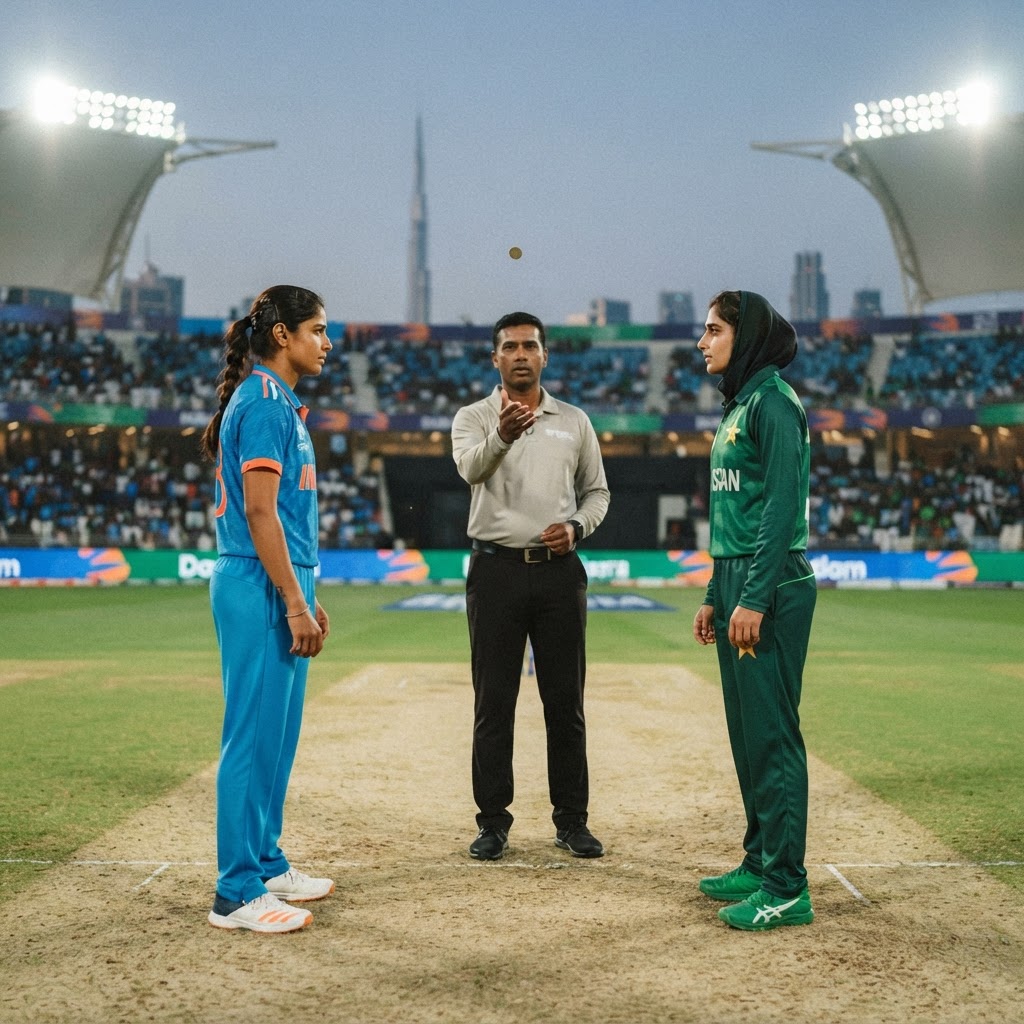
India Pakistan Women’s Asia Cup toss video: the moment that started the debate
India captain Harmanpreet Kaur and Pakistan captain Fatima Sana met for the toss before their Women’s Asia Cup match in Dubai. Pakistan won the toss and chose to bat. The formal part of the event was brief, as tosses usually are, but the camera captured the captains standing close enough for fans to study their body language.
The viral India Pakistan toss video was then clipped and reposted in short versions. In those edits, the focus was placed on the apparent lack of a handshake. Some posts presented the scene as a clear insult. Others described it as a sign of growing tension between the teams. The original short footage did not answer every question, yet social media often rewards confidence more than caution.
That is why the clip moved so fast. It was easy to understand, easy to caption, and connected to a rivalry that already has a huge audience. A small action became a blank space, and thousands of people rushed to write their own explanation inside it.
What is confirmed from the match setup?
The match was part of the Women’s Asia Cup 2026 in Dubai. Pakistan won the toss and decided to bat first. India and Pakistan matches receive unusual attention because the teams do not meet often outside major tournaments, and political tension has affected sporting contact between them.
The confirmed details are limited but clear. There was a toss. The captains were present. Pakistan chose to bat. A video of the meeting was widely shared. The handshake question comes from how viewers interpreted the footage, not from an official statement that explains the captains’ private intentions.
- Women’s Asia Cup 2026 was the tournament setting.
- The match took place in Dubai.
- Pakistan captain Fatima Sana won the toss.
- Pakistan chose to bat first.
- The short toss clip became viral because viewers focused on the captains’ interaction.
Why the India Pakistan cricket rivalry makes small moments huge
India Pakistan cricket is never just a normal fixture for the audience. Players may prepare for it like any other match, but supporters bring history, emotion, family memories, and national pride into the stadium. A boundary can become a celebration across millions of homes. A dropped catch can become a week of arguments. Even a handshake can turn into a headline.
That pressure is not limited to men’s cricket. Women’s cricket has built its own audience, and major matches now travel quickly through clips, livestreams, and fan accounts. The players are judged not only on runs and wickets but also on facial expressions, gestures, and moments that may have lasted less than a second.
Personally, I think this is unfair to the athletes. Cricket already demands intense concentration. Captains are thinking about field placements, bowling changes, weather, pitch conditions, and the first tactical decision of the match. Asking them to perform a perfect diplomatic ceremony at every camera angle adds another job to an already difficult one.
Sport and politics are not always easy to separate
Fans often say that sport should stay away from politics. It is a nice idea, but India Pakistan cricket has never had that luxury. Relations between the countries affect which series happen, where teams travel, and how matches are discussed by officials and media. Players step onto the field carrying their own responsibilities, but they also know that millions of people attach national meaning to the result.
That does not mean every action is political. It means the audience is ready to read politics into actions that might have several explanations. A captain may be focused on the toss. A camera angle may hide a greeting. A crowded presentation area may create awkward movement. The public may still turn that moment into a symbol.
Harmanpreet Kaur and Fatima Sana became the focus of social media reactions
Harmanpreet Kaur is one of India’s most recognizable women’s cricket leaders. Fatima Sana represents a younger generation of Pakistan players who have taken on major responsibility early in their careers. Their presence gave the viral moment a human face, but it also meant the captains received personal criticism from people who did not know what either player was thinking.
On one side, some Indian and Pakistani supporters praised the captains for keeping the pre-match moment short and serious. They argued that a match should be judged through performance, not greetings. On the other side, critics said a handshake would have shown respect and helped keep politics away from the sport.
There were also fans who rejected the entire argument. Their view was simple: the teams came to play cricket, and the toss did not decide the match. That may be the healthiest position. A missed greeting, whether intentional or accidental, should not erase the work done by the players or turn them into targets.
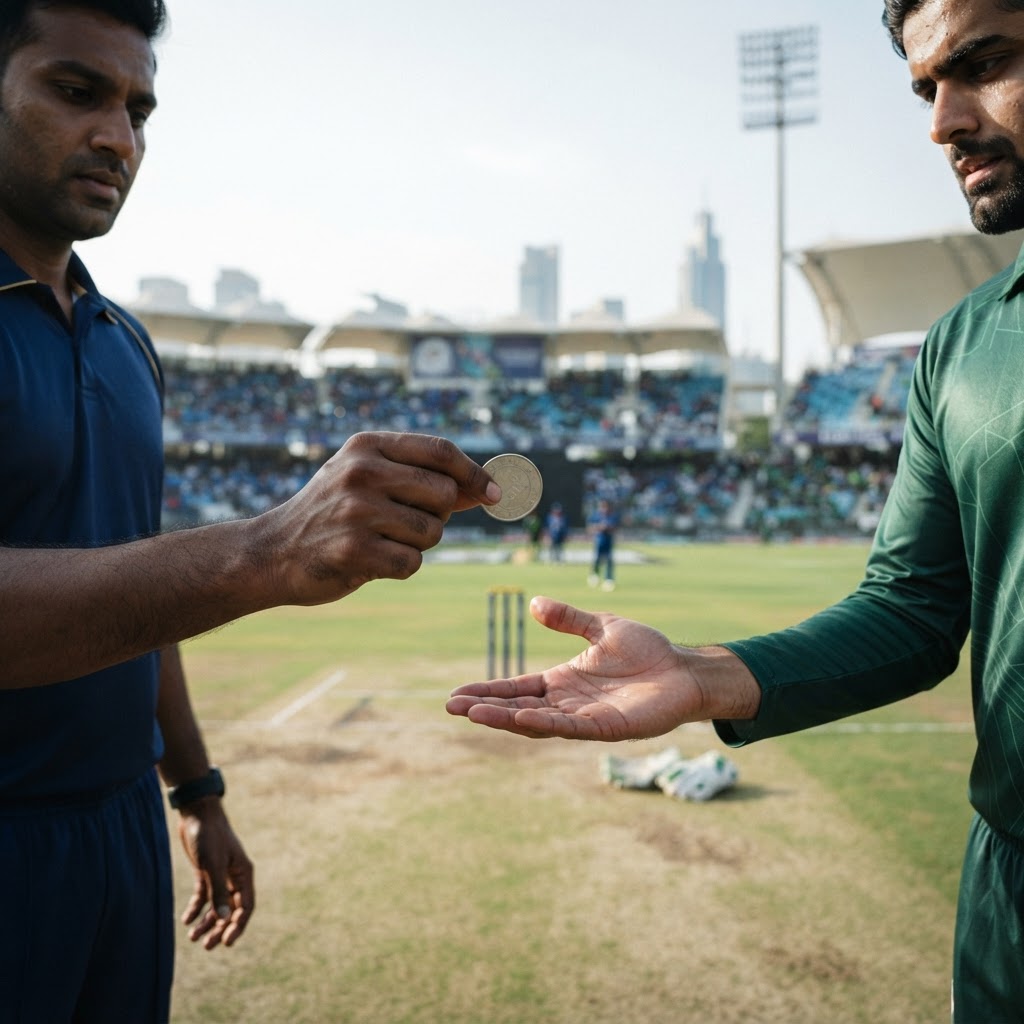
Why short videos create strong opinions
A short clip removes context. Viewers may not see what happened immediately before the recording began or what happened once the cameras moved away. They may not hear the full conversation. They may not know whether the captains had already greeted each other in another part of the presentation area.
Yet the clip feels complete because it has a beginning and an end. That feeling can be misleading. The brain prefers a clean story, especially when the topic is emotional. If a caption says “India snubs Pakistan,” many viewers watch the same seconds looking for evidence that the caption is correct.
This is how a video can be real while the story attached to it remains uncertain. The footage may show the captains standing apart. It does not automatically prove why they stood apart.
India Pakistan match coverage shows how social media changes sports news
Traditional sports reporting usually takes time. A reporter watches the event, checks details, speaks with officials, and writes a story. Social media works differently. A fan can post a clip seconds after it happens, and the post can reach a global audience before a journalist has even finished taking notes.
That speed can be useful. Fans get access to moments that might not receive a long television replay. Players can share their own thoughts directly. Smaller women’s cricket events can reach viewers who never saw them on a major broadcast channel.
The downside is that the first explanation often becomes the accepted explanation. Once a clip has a million views, later corrections may receive only a fraction of that attention. The emotional caption wins the race, even if it is based on guesswork.
The role of fan accounts and edited clips
Fan accounts are a major part of cricket culture. Many are run by passionate supporters who create highlights, statistics, jokes, and match updates. Most are not trying to mislead anyone. Still, an edited clip can accidentally make a moment look more deliberate than it was.
For example, cutting away just before a possible greeting or starting the video after a conversation has begun can change how viewers understand the scene. Adding dramatic music, a national flag, or angry text makes the intended emotion even clearer. The result may be powerful content, but it is not always reliable reporting.
- Check whether the clip is complete or heavily edited.
- Look for the full broadcast or a second camera angle.
- Separate what is visible from what a caption claims.
- Wait for comments from players, teams, or credible reporters.
- Do not send abuse toward athletes based on an unproven interpretation.
What the toss tells us about the actual cricket match
The toss was only the beginning of the contest. Pakistan choosing to bat first suggested that the team was comfortable setting a target in Dubai conditions. India would then need to manage the chase, read the pitch, and keep pressure on Pakistan’s batting lineup. Those decisions matter far more to the result than whether a greeting happened in front of the cameras.
A toss can influence a match, but it does not guarantee victory. Batters still need to build partnerships. Bowlers still need discipline. Fielders still have to hold difficult catches under pressure. The best plans can collapse after one spell, and a team that loses the toss can still control the game.
Why batting first can be a smart choice in Dubai
Dubai conditions can make captains think carefully about timing, humidity, and how the pitch may change. A team batting first can set a total without knowing exactly how the chase will develop. It can also put scoreboard pressure on the opposition if the opening batters settle quickly.
But batting first carries its own risk. A slow start can leave a side short of runs. Wickets in the middle overs can stop momentum. A total that looks safe at the halfway point may become reachable if the chasing team keeps wickets in hand.
That is why analysts should spend more time discussing strike rotation, bowling matchups, and fielding than a few seconds at the toss. The real story is written across many overs, not one viral clip.
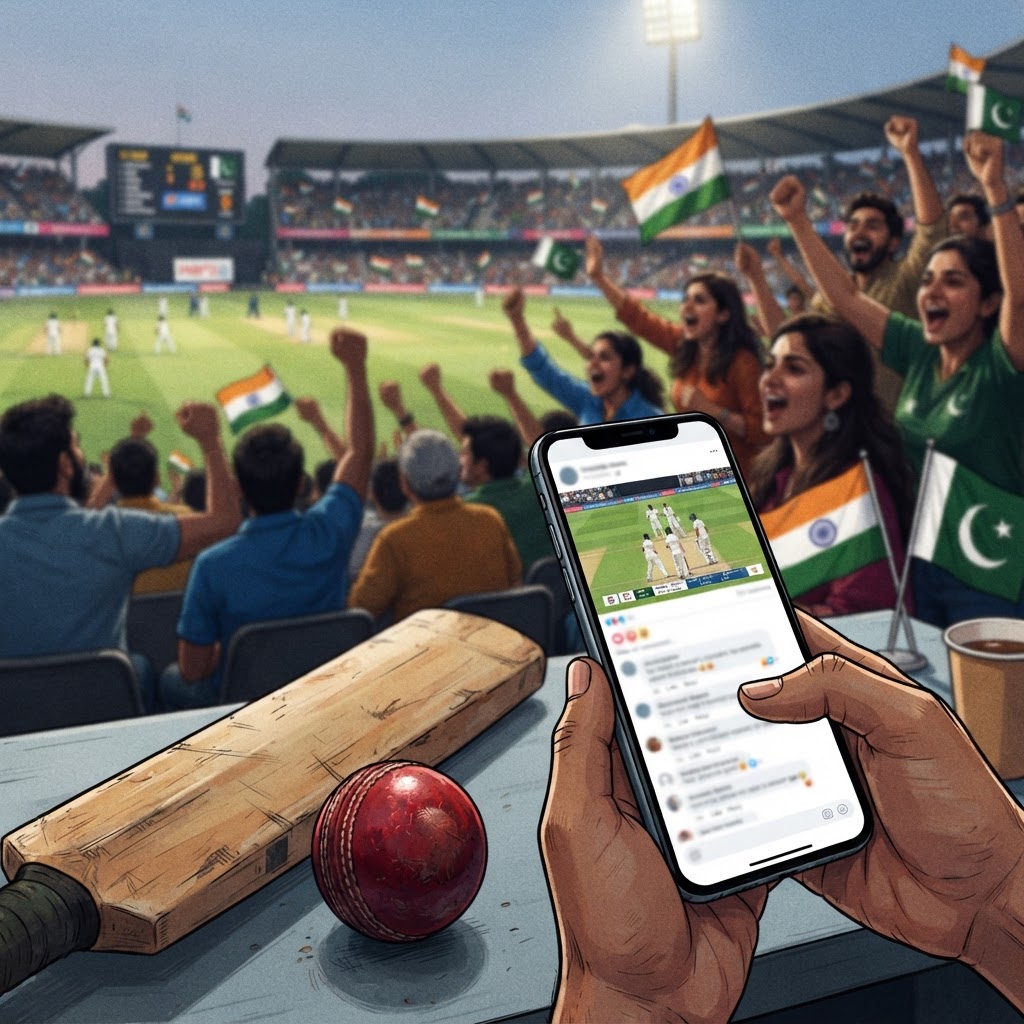
Could the viral handshake controversy affect women’s cricket?
Women’s cricket has worked hard to earn space, attention, and investment. Viral moments can help bring new viewers, but controversy can also overwhelm the sport itself. Someone who discovers the India Pakistan match through a short video may never learn the players’ statistics, the tournament format, or the quality of the cricket.
That is a shame because the women’s game deserves more than rivalry arguments. It deserves discussion about skill, fitness, tactics, domestic pathways, coaching, and the growing crowds who follow these players. A controversial clip can open the door, but good coverage should encourage people to stay for the cricket.
Players should not be forced to carry national disputes
Harmanpreet Kaur and Fatima Sana are cricket captains, not foreign-policy officials. They can show respect without being responsible for fixing relations between governments. They can compete fiercely without being required to produce a perfect symbol of peace every time they meet.
Fans can want sportsmanship and still remember that players are human. A respectful conversation about the incident is fair. Personal insults, threats, and accusations based on a few seconds are not.
How to fact-check the viral India Pakistan toss video
Before sharing a dramatic claim, take two minutes to test it. This is not difficult, and it helps protect players as well as readers. Start by finding the full match broadcast or an official tournament upload. Then compare the viral edit with the longer footage.
Next, check credible match reports. A reliable report should identify what happened without pretending to know private intentions. If a story says a captain deliberately insulted the other team, look for direct evidence. Did the player say that? Did the team issue a statement? Is there a clear recording of the full exchange?
A simple checklist for viral sports clips
- Find the date, tournament, venue, and teams.
- Check whether the video is from the current match.
- Search for the full-length version, not only the repost.
- Compare reports from more than one established sports outlet.
- Mark opinions as opinions instead of repeating them as facts.
- Do not share private claims about a player’s motives without evidence.
These steps are especially useful for India Pakistan cricket content because old videos are often reposted during new matches. A clip from another tournament can appear current if the caption is changed. The faces, uniforms, and stadium details may reveal the difference if you look closely.
What fans should remember about the India Pakistan Women’s Asia Cup rivalry
Rivalry makes sport exciting, but rivalry does not require hatred. The best fans can support their team loudly while respecting the opposition. They can celebrate a wicket without wishing harm on the batter. They can criticize a poor decision without attacking a player’s family, religion, or nationality.
That standard matters online because women athletes already face a different level of personal commentary. Their clothing, expressions, friendships, and private lives are often discussed alongside their performance. Adding national hostility makes the environment even harsher.
If the viral toss video brings more people to women’s cricket, the next step should be learning the players’ names and stories. Know who opens the innings. Notice which bowler changes the game. Watch how a captain responds when a plan fails. That is where the sport becomes more than a social media argument.
Respect can exist alongside fierce competition
There is nothing weak about wanting a competitive match and respectful players. In fact, the two things belong together. A hard contest means more when both teams know the other side earned its place on the field.
Handshake or no handshake, the players still faced the same pressure. They had to perform while millions watched and while every small detail could become a headline. That is difficult work, and it deserves serious attention.
FAQ about the India Pakistan Women’s Asia Cup toss video
What happened at the India Pakistan Women’s Asia Cup toss?
Pakistan captain Fatima Sana won the toss and chose to bat first in the Women’s Asia Cup match in Dubai. A short video of the captains’ interaction spread online because viewers focused on the apparent lack of a handshake.
Did Harmanpreet Kaur officially explain the handshake issue?
The viral footage itself does not provide a complete explanation of the captains’ intentions. Unless Harmanpreet Kaur, Fatima Sana, or their teams issue a direct comment, claims about a deliberate snub should be treated as interpretation rather than confirmed fact.
Why did the India Pakistan toss video become so popular?
India Pakistan cricket already attracts a large audience because of the historic rivalry. The clip was short, emotional, and easy to share. Social media users attached strong captions to it, which encouraged more people to watch and debate the same few seconds.
Does the toss decide the winner?
No. Winning the toss gives a team a choice about batting or bowling first, but the result depends on the performances of batters, bowlers, and fielders across the match. Many teams win after losing the toss.
How can fans avoid spreading misleading sports news?
Watch the full video when possible, check reliable match reports, compare multiple sources, and separate visible facts from guesses about private motives. Do not treat a dramatic caption as proof.
My take on the viral India Pakistan cricket moment
Here is my honest view: the handshake debate became bigger than the event deserved. It is reasonable for fans to notice the moment and discuss sportsmanship. It is not reasonable to pretend that a short clip gives us a complete view of someone’s intentions.
I would rather see the conversation move toward the match itself. Talk about Pakistan’s choice to bat. Talk about India’s response. Talk about the players who handled pressure and the skills that made the game worth watching. If the captains later explain the moment, we can listen. Until then, certainty is not the same as truth.
The India Pakistan Women’s Asia Cup rivalry will continue to create huge emotion. That is part of what makes it special. But fans can choose what kind of emotion they add: excitement, pride, humor, and respect, or anger built on an edited video.
Share this post with someone who saw the viral toss clip, but share the full context too. The next time a sports video makes you angry in three seconds, pause before posting. You may still decide the moment mattered. At least you will know why.


Comments
Post a Comment