Homemade Protein Powder Is Going Viral in 2026, But the Protein Math Is Not Adding Up
Homemade Protein Powder Is Going Viral in 2026, But the Protein Math Is Not Adding Up
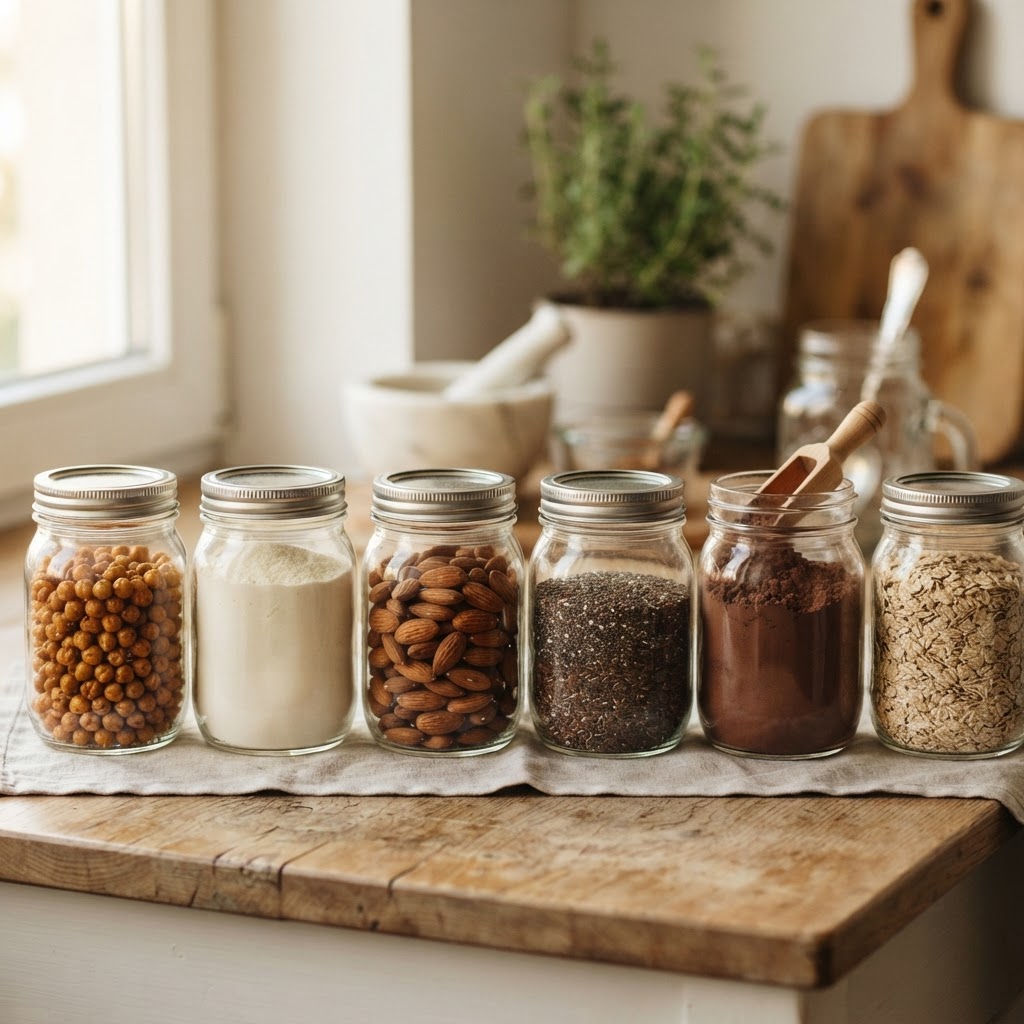
Homemade protein powder is having a very internet kind of moment. A recipe made from pantry ingredients is spreading across social media, with people blending roasted chickpeas, skim milk powder, oats, nuts, seeds, and cocoa into a cheap powder for shakes. It looks clever. It sounds practical. But the homemade protein powder debate has a catch: a scoop can look impressive while delivering far less protein than the label in your head suggests.
I like the idea of making food at home. You can control the ingredients, avoid a giant tub, and adjust the flavor. The problem starts when a homemade mix is advertised as a direct replacement for a measured whey or soy protein product without doing the arithmetic. Nutrition is not a vibes-based subject. The numbers matter.
Here is the useful way to think about this viral recipe: it can be a nutritious food blend, but calling it protein powder does not automatically make it high in protein.
Why the Homemade Protein Powder Trend Took Off So Quickly
The homemade protein powder trend arrived at the perfect time. Grocery prices are still a concern, gym culture is everywhere, and social platforms reward recipes that look simple enough to try before breakfast. A creator pours several dry ingredients into a blender, adds a spoonful to milk, and suddenly the kitchen looks like a small supplement factory.
There is also a trust issue behind the trend. Some shoppers worry about artificial sweeteners, long ingredient lists, or expensive branding. Others simply want a cheaper option. A homemade mix feels honest because you recognize every ingredient. That feeling is valuable, but it does not replace a nutrition label.
The viral recipe also borrows the language of commercial supplements. People talk about scoops, grams, muscle recovery, and post-workout timing. Those words can make a pantry blend sound as concentrated as a commercial protein isolate. It usually is not.
The visual trick that fools people
Powder makes food look more concentrated. A small jar of ground oats and nuts appears powerful because the ingredients have been reduced to a few tablespoons. Yet grinding changes texture, not the amount of protein inside the food. If a serving contains only a modest amount of chickpeas and milk powder, the final protein total stays modest.
This is why the first question should not be, “How many ingredients are in the recipe?” Ask instead, “How many grams of each ingredient are in one serving?” That single habit clears up most of the confusion.
Homemade Protein Powder: What Is Actually in the Recipe?
Recipes vary, so there is no single nutrition number for homemade protein powder. A typical blend might contain roasted chickpeas or gram flour, skim milk powder, oats, almonds, pumpkin seeds, chia seeds, cocoa, and spices. Each ingredient brings something useful, but each also brings calories, carbohydrates, fat, or fiber along with protein.
Skim milk powder and roasted legumes usually do most of the protein work. Nuts and seeds contribute protein too, but they are especially energy-dense. Oats add useful fiber and texture, yet they are mainly a carbohydrate source. Cocoa gives flavor, not a miracle protein boost.
That mix can absolutely belong in a healthy diet. It may provide fiber, minerals, healthy fats, and a pleasant flavor. The honest label would be “homemade nutritious shake mix” unless the protein total has been tested or calculated carefully.
Why ingredient quality changes the result
Two recipes with the same ingredient list can have very different nutrition. One person may use a large amount of skim milk powder, while another uses mostly oats and peanuts. One scoop may weigh 30 grams; another may weigh 60 grams. A spoonful is not a standard measurement, especially when powders settle.
Roasting can also change water content and weight. Brand labels differ. A cup of one milk powder may not match another cup. If you want reliable numbers, weigh each ingredient in grams and use the nutrition panel from the exact products in your kitchen.
The Protein Math Behind a Viral Homemade Mix
Let us do the part that social media often skips. Suppose a batch contains 200 grams of roasted chickpeas, 200 grams of skim milk powder, 100 grams of oats, 100 grams of almonds, and 50 grams of pumpkin seeds. The total protein might look high across the entire jar, perhaps somewhere around 150 to 180 grams depending on the brands and preparation.
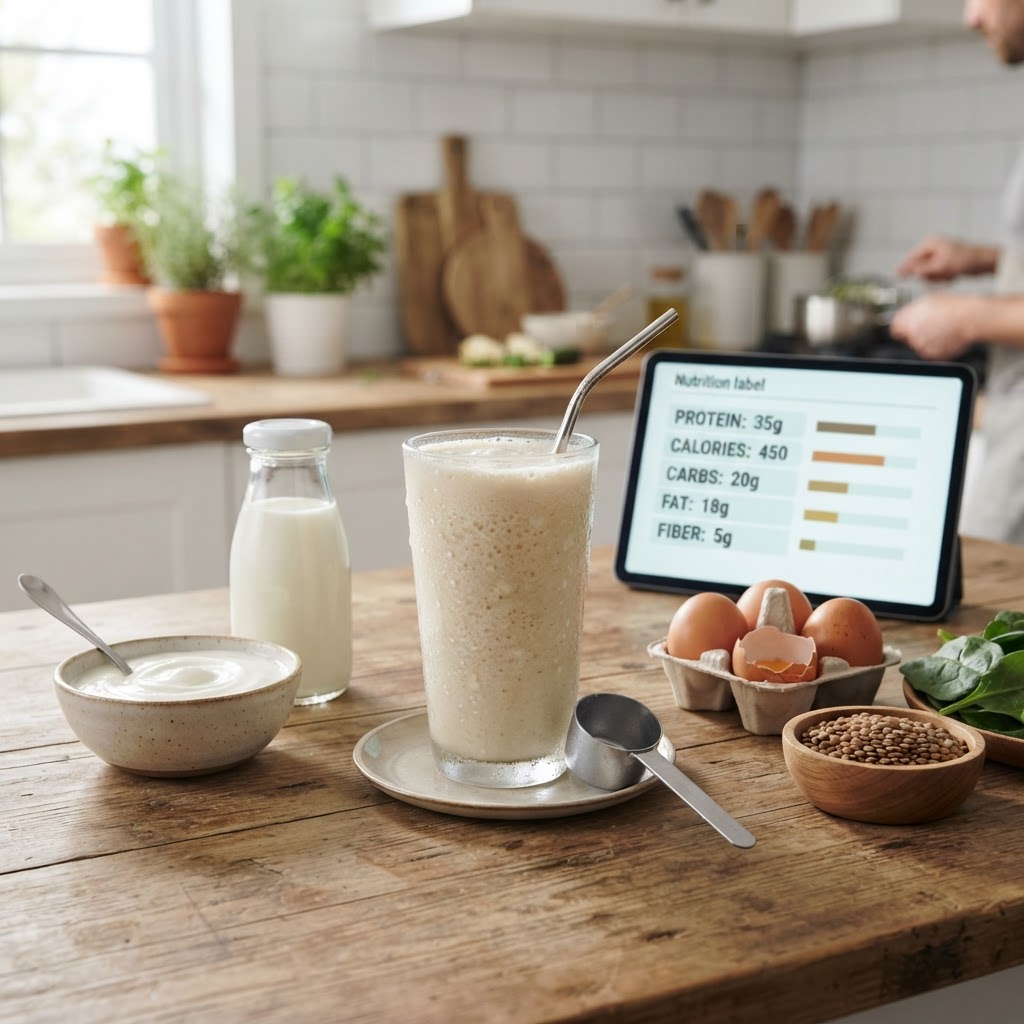
That is not 150 grams per scoop. If the batch weighs 650 grams and contains 165 grams of protein, the blend has about 25 grams of protein per 100 grams. A 40-gram serving would provide roughly 10 grams of protein. A large 80-gram serving might provide about 20 grams, but it would also bring plenty of calories.
Commercial protein powders are concentrated differently. A 30-gram serving of whey isolate may provide around 24 to 27 grams of protein. A plant protein product may provide around 20 to 25 grams. The comparison is not about which food is morally better. It is about concentration.
How to calculate your own serving
Write down the protein grams for every ingredient in the full batch. Add those numbers. Then divide the total protein by the total batch weight and multiply by the weight of your serving. For example, 165 grams of protein divided by 650 grams of powder equals 0.254 grams of protein per gram of powder. A 40-gram serving would contain about 10.2 grams.
- Weigh the complete batch after mixing.
- Record the protein listed for each ingredient.
- Divide total protein by total batch weight.
- Multiply that result by the serving weight.
- Count the calories too, not just the protein.
This method is simple, and it prevents a very common mistake: adding the protein numbers for a whole batch and reporting that number as one serving.
Is Homemade Protein Powder Healthy?
It can be. The answer depends on the recipe, the serving size, your health needs, and how safely the ingredients are stored. Chickpeas can provide fiber and plant protein. Oats can support a filling breakfast. Seeds can add minerals and unsaturated fat. Milk powder can add calcium and a useful protein boost.
The blend is not automatically healthier than every commercial product, though. A branded powder can be useful because the protein amount is measured and the product is easy to portion. A homemade blend can be useful because it includes whole-food ingredients and may cost less. Both can fit into a balanced routine.
Where homemade mixes may help
Homemade protein powder can help people who want an easy breakfast ingredient rather than a strict supplement. Stir it into yogurt, blend it with fruit, or add a spoonful to pancake batter. Used this way, it is a convenient food component.
It may also suit someone who dislikes the taste of standard protein products. Cocoa, cinnamon, cardamom, or coffee can make a home blend more enjoyable. The best recipe is often the one you will actually eat without forcing yourself through a chalky shake.
Where caution is needed
People with milk allergies, peanut allergies, nut allergies, diabetes, kidney disease, or digestive conditions need to check ingredients carefully. A homemade powder can combine several common allergens in one jar. High fiber can also cause bloating when a person suddenly starts taking large servings.
Anyone with a medical condition that affects protein or mineral intake should ask a qualified clinician or dietitian before making a major change. This is especially important for people with kidney disease, since protein targets are personal and not the same for everyone.
Homemade Protein Powder Versus Whey and Plant Protein
Commercial whey protein is made from milk and is usually rich in essential amino acids, including leucine, which is involved in muscle protein building. Plant proteins vary. Pea, soy, and blended products can provide strong nutrition, but their amino acid profiles and protein concentrations depend on the formula.
A pantry blend is different. It may include many ingredients, but variety does not guarantee a complete amino acid profile in every serving. Across a normal day, eating legumes, dairy, eggs, soy, grains, nuts, and seeds can provide a broad mix. You do not need every meal to be mathematically perfect.
For a person trying to hit a specific post-workout target, the concentration of commercial powder is convenient. For a person trying to make breakfast more filling, a homemade mix may be perfectly reasonable. This is a case where the best choice depends on the job you need the food to do.
Does homemade protein powder build muscle?
Muscle growth depends on resistance training, total daily protein, sleep, calories, and consistency. No powder builds muscle by itself. If a homemade shake helps you reach an appropriate protein intake and you train regularly, it can be part of the plan.
If the shake contains only 8 or 10 grams of protein, it may not replace a full protein serving for someone with a high target. That does not make it useless. It simply means you may need Greek yogurt, milk, tofu, eggs, lentils, or another protein source alongside it.
How to Make a Better Homemade Protein Powder Recipe
A better recipe starts with a clear goal. Do you want more protein, more fiber, lower cost, better flavor, or a quick breakfast? Trying to maximize every target at once can create a powder that is expensive, heavy, and difficult to digest.
For a higher-protein blend, make a protein-rich ingredient the largest part of the batch. Skim milk powder, soy powder, roasted soybeans, or a reputable plant protein ingredient will change the numbers more than adding another teaspoon of seeds. Nuts are tasty, but adding more nuts mainly raises calories and fat.
- Use a kitchen scale instead of a cup or casual spoon.
- Choose one main protein ingredient and calculate it first.
- Add oats, cocoa, cinnamon, or seeds for taste and texture.
- Keep the serving realistic so calories do not quietly double.
- Write the date and ingredients on the storage container.
A practical shake formula
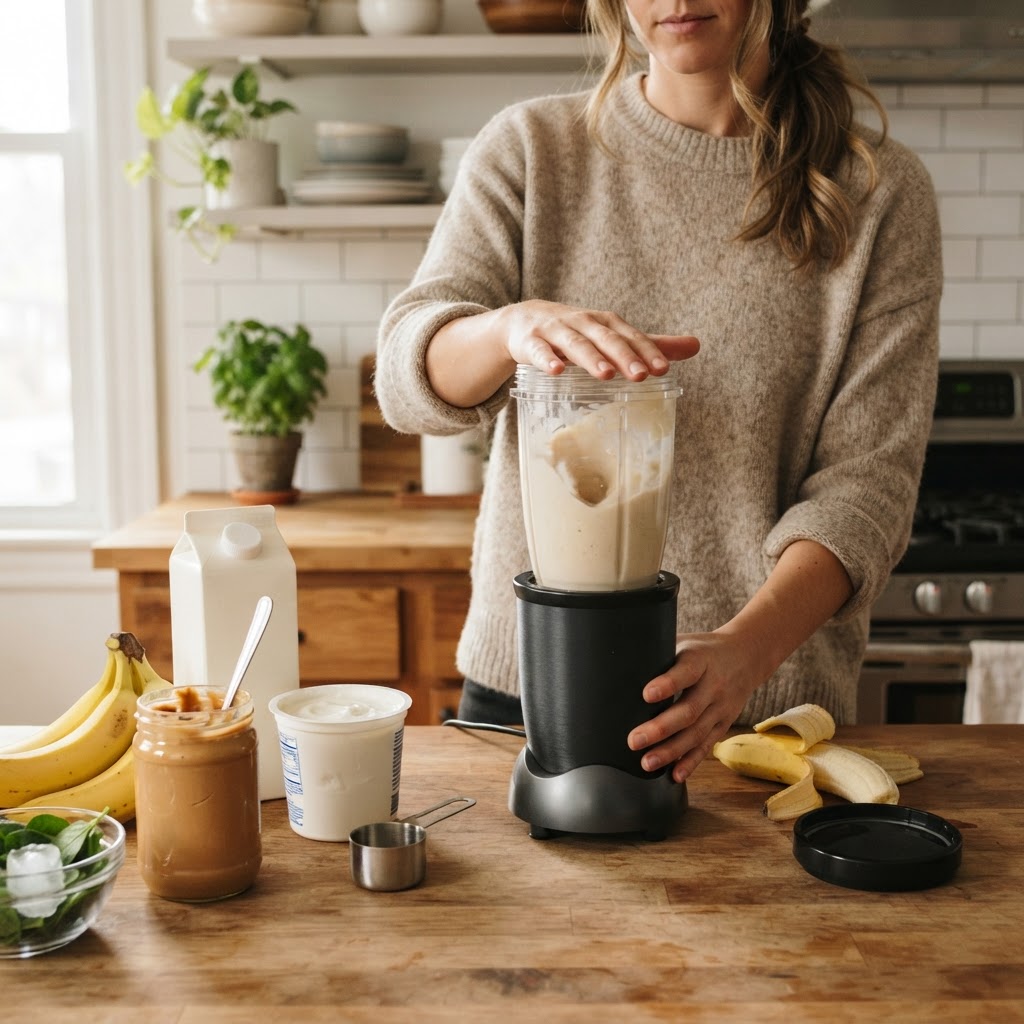
Try combining a measured serving of the homemade powder with milk or fortified soy milk, plain yogurt, and fruit. The liquid and yogurt can raise the total protein more reliably than simply adding extra tablespoons of the dry mix. Banana, berries, dates, or cinnamon can improve the taste without needing a pile of sugar.
For people who prefer a savory option, the powder may work better in a breakfast bowl than in a sweet shake. Mix a small amount into yogurt with cucumber and spices, or use a plain legume-based blend in a soup. Food does not have to wear gym clothes to be nutritious.
Storage and Food Safety Matter More Than Viral Videos Suggest
Dry ingredients can last a while, but homemade powder does not have the same quality controls as a factory-sealed product. Moisture is the enemy. It can cause clumping, spoilage, and mold. Nuts and seeds also contain oils that can turn stale over time.
Use clean, completely dry equipment. Store the powder in an airtight container away from heat and sunlight. Make a smaller batch if your kitchen is humid. Smell and inspect the mix before use, and throw it away if it has an unusual odor, damp clumps, insects, or visible mold.
Do not dip a wet spoon into the jar. Keep the container dry, and label it with the date you made it. If you roast ingredients at home, let them cool fully before grinding. Warm ingredients can trap moisture inside the container.
The Cost Question: Is Homemade Protein Powder Really Cheaper?
It can be cheaper, but only after you compare protein with protein. A large inexpensive jar may look like a bargain while providing fewer grams of protein per serving. Calculate the cost of 25 grams of protein from the homemade recipe and compare it with the same amount from whey, soy, eggs, yogurt, lentils, or milk.
Local prices change the answer. In one place, lentils and milk powder may be affordable. In another, nuts and seeds can make the recipe surprisingly expensive. There is no universal winner. The smart comparison uses the prices and package sizes available to you.
Budget protein foods worth comparing
Eggs, milk, yogurt, lentils, chickpeas, beans, tofu, soy chunks, canned fish, and chicken can all compete with a powder for protein value. Some take more cooking time, while others are ready immediately. A homemade mix earns its place when it saves money and makes eating easier, not simply because it is trendy.
What the Viral Protein Powder Debate Gets Right and Wrong
The people promoting the recipe are right about a few things. Whole ingredients can be useful. A homemade blend can taste good. You can avoid a flavor you dislike, adjust the texture, and make a serving that fits your breakfast.
The critics are right about the main problem too. Protein claims need numbers. A recipe does not become equivalent to whey because it is powdered, and a long ingredient list does not guarantee a high protein serving.
My take is simple: keep the recipe if you enjoy it, but stop asking it to be something it is not. Think of it as a homemade nutrient mix. Add a stronger protein source when your goal requires a specific amount.
How Much Protein Do You Need in a Day?
Protein needs depend on body size, age, activity, health, and goals. A sedentary adult, an older adult trying to preserve muscle, and a competitive athlete do not have identical targets. General recommendations can be a starting point, but personal targets should not be copied from a fitness influencer.
Spread protein across meals instead of trying to repair the whole day with one giant shake. Breakfast, lunch, dinner, and a snack can each contribute. This approach is easier on digestion and gives you more chances to eat real, satisfying food.
If you are unsure, a registered dietitian can help set a target based on your body and routine. That advice is more useful than a dramatic promise printed over a short video.
FAQ About Homemade Protein Powder
Is homemade protein powder as strong as whey protein?
Usually not by weight. Many homemade blends contain oats, nuts, seeds, and legumes, so their protein is less concentrated. They can still be nutritious, but you must calculate the protein in your actual serving rather than assuming it matches a commercial scoop.
What is the best ingredient for homemade protein powder?
There is no single best ingredient for everyone. Skim milk powder, soy ingredients, roasted legumes, and commercial plant protein ingredients can raise the protein total. Choose based on allergies, digestion, budget, taste, and your dietary pattern.
Can I drink homemade protein powder every day?
You may be able to, if the ingredients suit you and the powder is stored safely. Keep servings reasonable, drink enough water, and vary your protein sources. Daily use is not a problem simply because the powder is homemade, but it should not crowd out fruits, vegetables, grains, and normal meals.
Why does homemade protein powder cause bloating?
Legumes, oats, seeds, and some milk products can bring a lot of fiber or lactose. A sudden large serving may overwhelm your digestion. Start with a small amount, drink water, and change one ingredient at a time so you can identify the problem.
How long does homemade protein powder last?
That depends on moisture, ingredients, heat, and storage. Make small batches, keep them airtight and dry, and check for stale smells or dampness. Because nuts and seeds contain oils, a homemade mix may lose quality sooner than a commercial product with tested packaging.
Final Take: Check the Numbers Before You Copy the Trend
Homemade protein powder is not a scam, and it is not a miracle. It is a recipe. That means its value depends on the ingredients, the serving, and the job you want it to do.
If you make the mix, weigh it. Calculate it. Taste it. Store it properly. Then decide whether it gives you enough protein for your goal. If it does not, add yogurt, milk, soy, eggs, lentils, or another dependable source instead of pretending that an extra spoonful fixes everything.
That is the part of the viral trend worth keeping: homemade food can be affordable and useful, but good nutrition still needs honest math. Share this guide with the friend who has a mystery jar on the kitchen counter, and ask them one gentle question before the next shake: how many grams are actually in that scoop?


Comments
Post a Comment