Caitlin Clark Angel Reese Friendship Debate: Why One Answer Went Viral
The Caitlin Clark Angel Reese friendship debate exploded again today after Clark answered a familiar question about her relationship with Reese. A Fox News reporter asked about the two players during a post-FIBA World Cup interview, and Clark pushed back on the idea that they had suddenly become friends. Her basic point was simple: the story is not new. The two players have always had a relationship, even though their rivalry has been louder than their private conversations.
That answer might sound ordinary if you do not follow women's basketball closely. Online, it landed like a spark near dry grass. Fans argued about what Clark meant, why the question was asked, and whether the sports media still treats two talented women as characters in a never-ending feud. I think the reaction says as much about the audience as it does about Clark and Reese.
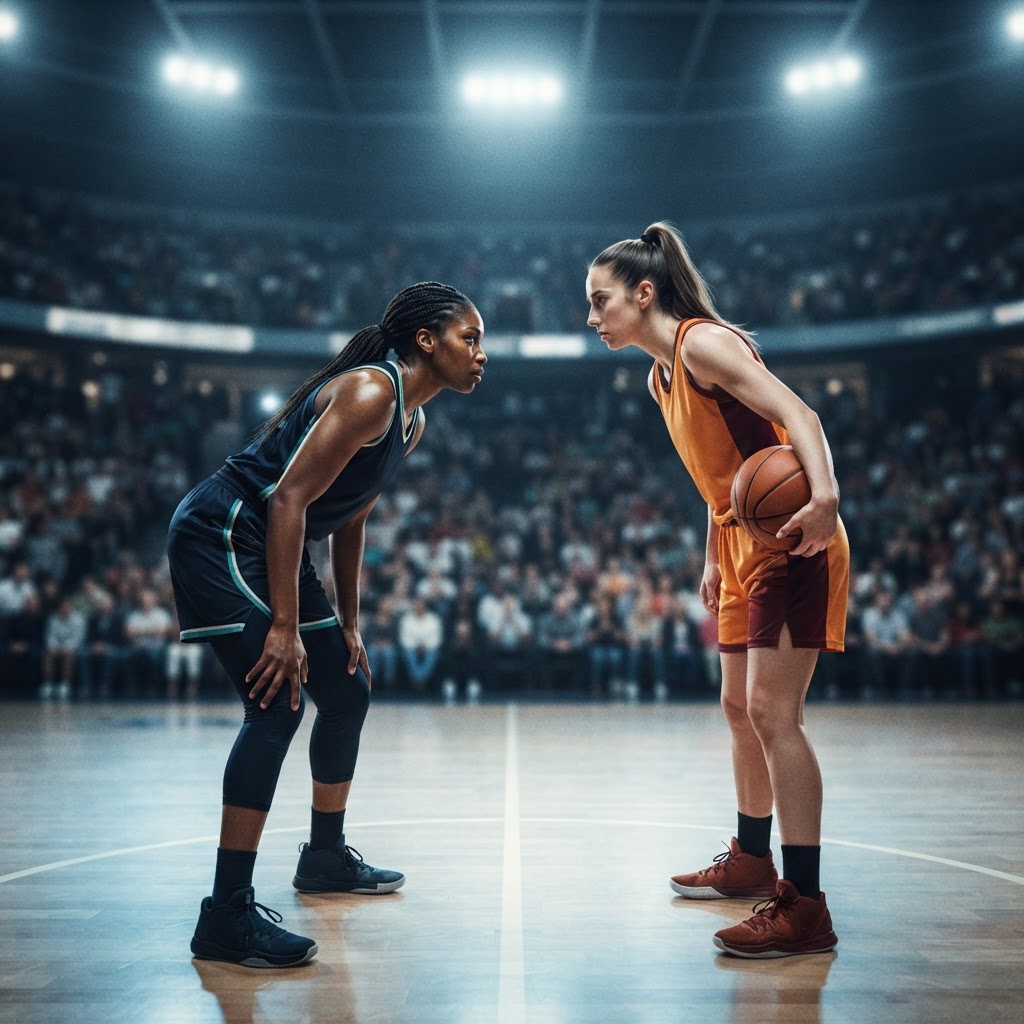
Caitlin Clark Angel Reese Comments That Started the Latest Debate
The latest conversation came from a question about whether Caitlin Clark and Angel Reese had become closer. Clark reportedly rejected the premise. She said, in plain language, that they had always been friends or had always had a positive connection. The exact wording matters because it challenges the timeline that social media often uses.
Internet conversations like clean before-and-after stories. First there was a rivalry. Then there was a big event. Now there is a friendship. Real relationships rarely work that way. Teammates, competitors, and fellow professionals can respect one another while still playing hard against one another.
Clark and Reese first became linked during their college careers. Their NCAA tournament meeting in 2023 created one of the most discussed moments in women's college basketball. That game helped bring new viewers to the sport, but it also encouraged a simple rivalry narrative that followed both athletes into the WNBA.
What Caitlin Clark Actually Pushed Back Against
Clark did not appear to deny that she and Reese care about each other. She pushed back against the suggestion that a new friendship had suddenly appeared because cameras and fans noticed it. That is a very different message.
Think of it this way: two people can be competitors, coworkers, and friends at the same time. The labels do not cancel each other out. A basketball game can be fiercely physical, and the players can still text after it ends.
Why the Caitlin Clark and Angel Reese Rivalry Still Gets So Much Attention
The Clark-Reese rivalry became a powerful sports story because both athletes arrived with huge followings, distinctive playing styles, and very different public images. Clark became known for long-range shooting and creative passing. Reese built her reputation around rebounding, interior scoring, confidence, and relentless energy.
That contrast is good for sports television. It gives commentators an easy comparison and gives fans something to argue about. The trouble starts when a comparison becomes a personality script. Once an audience decides that two athletes are enemies, every glance can be treated like evidence.
One player smiles, and people call it a truce. One player celebrates, and people call it disrespect. One player gives a short answer, and thousands of strangers try to translate the mood. It is exhausting, and it can make normal professional behavior look like secret drama.
The College Basketball Moment That Shaped the Story
The 2023 national championship game between LSU and Iowa pushed Reese and Clark into a much larger national conversation. The game itself mattered, but the postgame reactions became just as important online. Short video clips spread faster than full interviews, and fans began sorting themselves into camps.
Some viewers saw a confident champion. Others saw a player being unfairly judged. Some saw Clark as a superstar who had been targeted. Others saw a competitor who had received unusual protection from the media. The argument was never only about one basketball sequence.
It was also about race, sports coverage, confidence, favoritism, and who gets permission to be emotional in public. Those are serious subjects. Turning them into a simple good-player-versus-bad-player story made the conversation easier to share, but much harder to understand.
Angel Reese Friendship Rumors Are Bigger Than the Players
The phrase Angel Reese friendship rumors makes the story sound like celebrity gossip. That is part of the problem. Clark and Reese are athletes with jobs, schedules, families, teammates, and private lives. They are not required to give the public a detailed report on every personal relationship.
Fans want access because the rivalry helped them discover the WNBA. That interest is understandable. The players became symbols of a new sports audience, and people feel invested in their journeys. Still, investment is not ownership.
When Clark says the friendship story is not new, she may be asking people to stop treating every interaction as a plot twist. Reese has made similar points at different times by showing respect for Clark's talent while continuing to compete against her. The public may want a dramatic reconciliation, but the athletes may simply see a normal relationship that never needed repairing.
Can Rivals Be Friends in Professional Sports?
Of course they can. The idea is not unusual. Tennis players train together and then face each other in finals. Boxers can respect each other before a fight. Soccer players from opposing clubs may share a national team dressing room. Competition creates pressure, but it does not erase basic human connection.
In fact, elite athletes often understand one another better than fans do. They know the cost of training, travel, injury recovery, criticism, and constant public judgment. A competitor may be the one person who truly understands what the other player is carrying.
That does not mean every athlete is close friends. It means the public should stop assuming that competition proves hatred. A hard foul, a stare, or a tense exchange can stay inside the game.
Why the Viral Caitlin Clark Interview Clip Spread So Quickly
The interview clip was short, clear, and easy to summarize. Those are perfect ingredients for social media. A viewer can watch the answer in seconds, add a caption, and invite a debate without sharing the entire conversation.
People also enjoy a correction story. The popular version was that Clark and Reese had recently become friends. Clark's answer challenged that version. Fans who already disliked the rivalry narrative shared the clip as proof that the media had misunderstood the relationship. Fans who enjoy the rivalry treated the answer as a new clue.
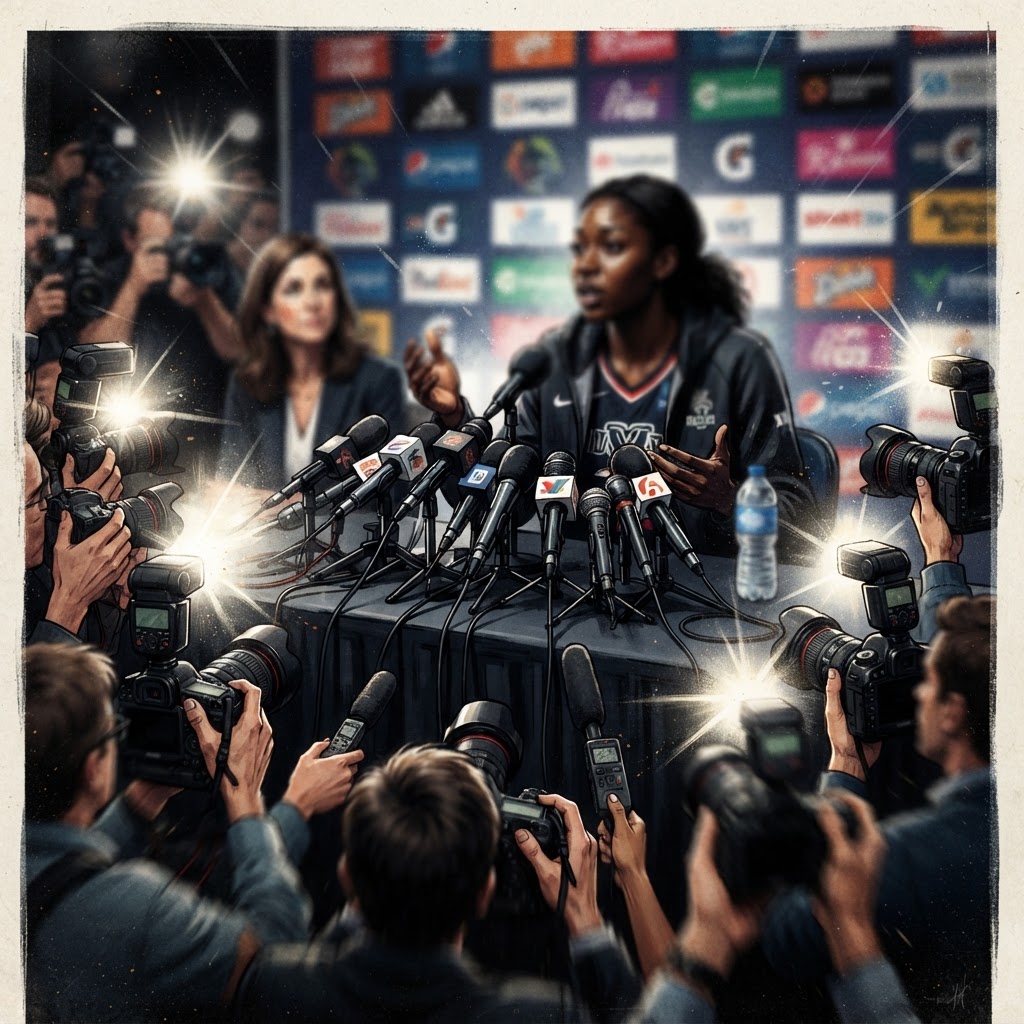
Short Clips Remove the Boring but Important Context
A full interview has pauses, follow-up questions, tone, and background. A short clip removes most of that. It gives viewers the sentence that creates the strongest reaction and leaves them to fill in the rest.
That does not mean every viral clip is misleading. It means every clip is incomplete. Before making a strong claim about Clark or Reese, viewers should find the original interview, check the date, and see whether the question was about basketball, friendship, or a previous event.
The same rule applies to screenshots. A caption can make an old photo look new. A fan account can make a personal opinion look like a report. A blue checkmark or a large follower count does not automatically turn a post into evidence.
What This Means for Women's Basketball Coverage
The Clark-Reese story shows how much attention women's basketball now receives. That is good news. Games that once received limited coverage are becoming major public events. Players are building powerful audiences, selling merchandise, signing sponsorships, and creating conversations far beyond the court.
But more attention brings more pressure. Male athletes are often allowed to have rivalries without every interaction being treated as a personal feud. Women's athletes can face a different kind of scrutiny. Their expressions, friendships, clothes, voices, and social posts become part of the story.
Coverage should not become dull or overly careful. Rivalries are exciting. Personality is part of sports. The better approach is to report what happened without pretending to know what an athlete feels privately.
Rivalry Can Grow the Sport Without Dehumanizing Players
A healthy rivalry gives fans a reason to watch. It creates history and raises the stakes. Clark and Reese can compete for wins, awards, and attention without being forced into a permanent emotional script.
The WNBA benefits when the conversation includes tactics, team systems, defensive adjustments, injury recovery, and leadership. Those topics are less dramatic than a friendship rumor, but they tell readers much more about the actual sport.
Ask why Clark's passing changes a defense. Ask how Reese attacks the offensive glass. Ask how their teams use spacing. There is plenty of great basketball here. We do not need to turn every question into a relationship investigation.
Caitlin Clark and Angel Reese on the Court Are Still Worth Watching
The easiest way to understand this story is to return to basketball. Clark creates pressure with distance. Defenders must pick her up far from the basket, which can open lanes for teammates. Her passing can punish a double team before it becomes a problem.
Reese creates a different kind of pressure. She fights for position, tracks missed shots, and makes defenders deal with her physical strength near the rim. Her presence can change how a team boxes out and how quickly opponents want to shoot.
Those styles naturally produce conflict in games. A rebound battle can look personal because it is intense. A hard closeout can create a loud reaction. That drama is part of why people watch. It does not need a private feud behind it.
How Fans Can Watch the Matchup More Fairly
Try watching the next Clark-Reese matchup with one question in mind: what is each player trying to make the defense do? That small change moves the conversation from personality to strategy.
- Caitlin Clark keywords: shooting range, pick-and-roll passing, transition offense, assist creation.
- Angel Reese keywords: offensive rebounding, paint scoring, screen setting, defensive positioning.
- Shared basketball keywords: pace, spacing, turnovers, matchup pressure, late-game execution.
It is also worth watching the full game rather than only the ten-second clip that gets posted later. A single play can be thrilling, but a complete performance explains why that play happened.
The Media Question Behind the Viral Friendship Story
The reporter's question was not unusual. Sports reporters ask about relationships because fans care and because the answer can reveal how players see the league. The issue is repetition. If the same question follows Clark and Reese everywhere, it can become a story that feeds itself.
First, audiences ask whether they are friends. Then the media asks about the audience's question. Then fans react to the answer. Soon the athletes are responding to a conversation that began outside the sport and grew because everyone kept repeating it.
That cycle is common in entertainment, politics, and sports. Once it starts, the only way out is better questions. Ask about an opponent's skill. Ask about team goals. Ask what a player learned from a difficult loss. Personal questions are not forbidden, but they should not crowd out the work.
Why Players May Give Short Answers
A short answer does not always hide a secret. Sometimes a player is tired. Sometimes the question has been asked many times. Sometimes the athlete wants to protect a teammate or avoid giving a headline to a minor comment.
Clark's direct answer may have been frustration, humor, clarification, or simple honesty. We cannot know more without her saying more. Guessing beyond the evidence is how a small interview becomes a giant rumor.
How to Separate Confirmed Facts From Social Media Speculation
The most reliable facts in this story are limited. Clark answered a question about Reese. The answer was shared online. Reports described Clark as pushing back on the idea that their friendship was new. Everything beyond that needs careful wording.
Claims about private conversations, secret disagreements, or hidden motives should be treated as speculation unless the players themselves confirm them. A fan post is not confirmation. A reaction video is not confirmation. A headline that uses a question mark is often signaling that the claim has not been proved.
- Confirmed: Clark and Reese have a long public history as basketball competitors.
- Reported: Clark rejected the idea that their friendship had only recently begun.
- Unproven: Claims about private arguments, secret deals, or hidden personal motives.
- Useful check: Find the full interview and compare it with the viral clip.
This approach may feel less exciting, but it protects both the reader and the athletes. It also makes the final story more trustworthy.
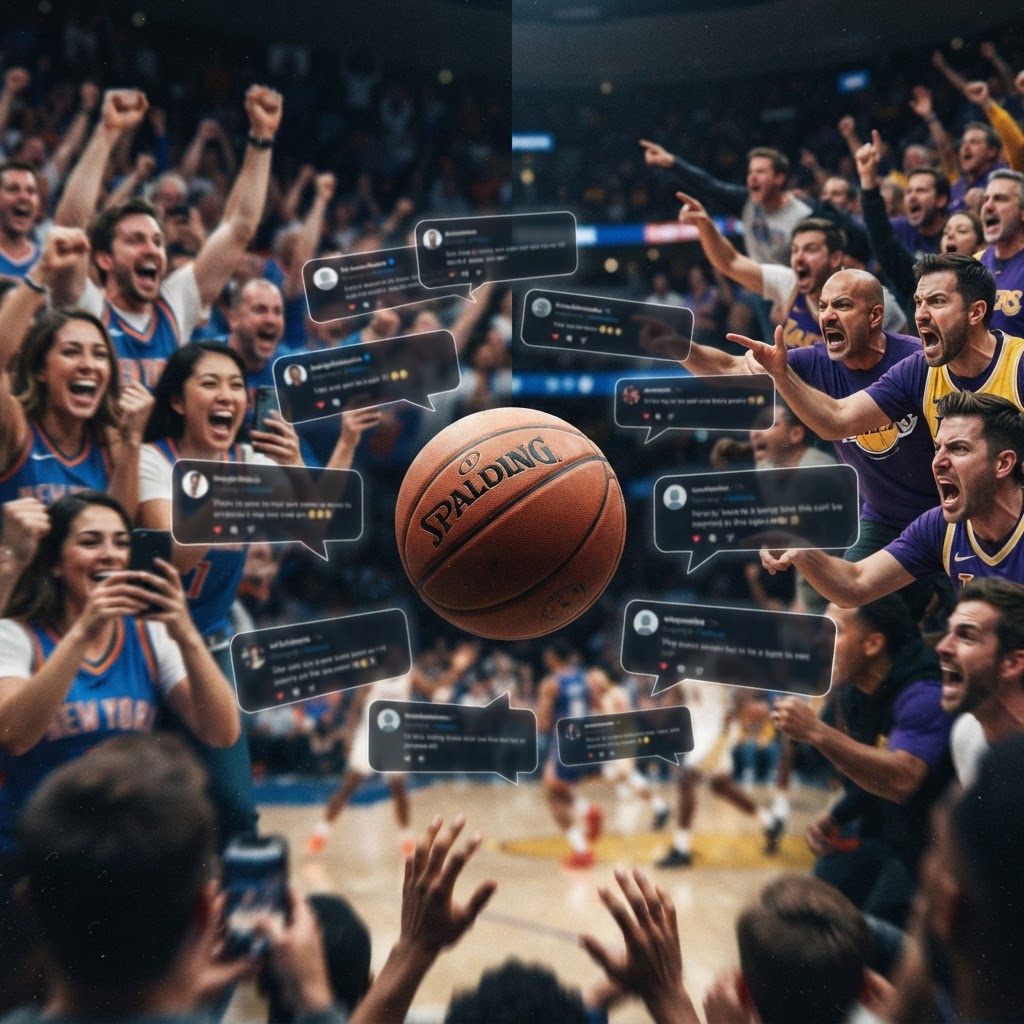
What Fans Should Expect Next From the Clark-Reese Conversation
The debate will probably continue because both players remain popular and because every meeting gives the internet another moment to analyze. If they compliment each other, some fans will call it proof of a friendship. If they compete aggressively, others will call it evidence of bad blood.
My guess is that the most accurate answer will remain the least dramatic one. Clark and Reese can respect each other, understand each other, and still want to beat each other. That is not a contradiction. It is professional sport.
The bigger question is whether fans and media can allow the relationship to become ordinary. A normal friendship is not a disappointment. It may actually be the healthiest ending to a rivalry story that has been stretched far beyond the original game.
Why This Story Matters Beyond Two Basketball Stars
The story matters because it shows how quickly public narratives can replace reality. Once a simple rivalry becomes part of a person's identity, the audience may resist any evidence that does not fit the script.
It also shows why young athletes deserve room to grow. Clark and Reese entered the national spotlight while still developing as players and people. They should be able to change their opinions, build relationships, and make ordinary comments without every sentence becoming a permanent label.
Fans can still debate the games. They can still pick a favorite. They can still enjoy the drama of a close fourth quarter. They just do not need to invent a private war to make the basketball interesting.
FAQ About the Caitlin Clark Angel Reese Friendship Debate
Are Caitlin Clark and Angel Reese friends?
Clark indicated that their relationship was not a brand-new friendship. Public comments show respect and familiarity, but neither athlete owes the public a complete description of their private life. It is safest to describe them as professional rivals who have a positive personal connection.
Why are Caitlin Clark and Angel Reese compared so often?
They became linked through their college careers, their highly discussed 2023 tournament meeting, and their move into the WNBA. Their different playing styles and large fan bases made the comparison easy for media outlets and fans to repeat.
Did Caitlin Clark deny being friends with Angel Reese?
No. The recent answer was reported as a pushback against the idea that the friendship had only recently started. That is different from denying a friendship or saying the two players never get along.
Why did the interview clip go viral?
The clip was short, direct, and connected to a rivalry that already has a large online audience. People shared it because they viewed it as a correction to the usual Clark-Reese storyline, while others shared it to continue the debate.
How should fans discuss the Clark-Reese rivalry?
Fans should separate on-court competition from private assumptions. Talk about shooting, rebounding, defense, passing, team tactics, and results. Avoid treating rumors, edited clips, or anonymous claims as proof of personal conflict.
My Take on the Caitlin Clark Angel Reese Story
I think the most interesting part of Clark's answer is how ordinary it sounds. She did not seem to be announcing a dramatic reconciliation. She seemed to be saying that the public had built a timeline that did not match real life.
That is a useful reminder for all of us. We see the game, the press conference, and the social clip. We do not see every conversation between two people. We should leave some space for facts we do not know.
Clark and Reese do not need to stop competing to prove they respect each other. They do not need to perform a friendship for fans. And they do not need to keep a rivalry alive just because the internet finds it profitable.
The next time these two players meet, watch the basketball. Watch the spacing, the screens, the rebounds, and the late-game decisions. Enjoy the rivalry without demanding a feud. That is a better deal for the fans, the sport, and the two athletes at the center of the conversation.
If this story made you rethink the Clark-Reese rivalry, share the full context rather than only the shortest clip. The WNBA is giving viewers enough real drama on the court. We can let the players keep the rest of their lives for themselves.


Comments
Post a Comment