ChatGPT 1980s Photo Trend Goes Viral: Why Everyone Is Turning Modern Pictures Into Retro Memories
ChatGPT 1980s Photo Trend Goes Viral Overnight
The ChatGPT 1980s photo trend is suddenly everywhere, and it is easy to see why. People are feeding ordinary selfies into an AI image tool and asking for the look of an old family album, a Bollywood film still, or a school photograph from the late twentieth century. Within seconds, a clean phone picture can come back with soft flash, film grain, big hair, faded colors, and clothes that look borrowed from a parent’s wardrobe. The result feels personal even when the original image was taken five minutes ago.
I have seen plenty of AI photo trends come and go, but this one has a different pull. It is not only about looking futuristic or perfect. It is about pretending, for a moment, that a memory exists. That small trick is doing a lot of emotional work, especially for people who grew up looking at printed photographs rather than endless camera-roll thumbnails.
Why this trend feels different from a normal filter
What the ChatGPT 1980s Photo Trend Actually Does
At its simplest, the trend asks an image model to preserve a person’s face and pose while changing the setting, clothing, lighting, color treatment, and camera style. A user might request a 1980s studio portrait, a 1990s Bollywood poster, a Y2K bedroom snapshot, or a family photo taken with an old point-and-shoot camera. The prompt supplies the mood; the model fills in the visual details.
The important thing is that this is not a single official button called the 1980s photo trend. People are using different ChatGPT image features, prompt styles, and reference pictures. That explains why two posts with the same idea can look completely different. One may look like a carefully made film photograph. Another may have strange fingers, invented logos, or a face that is close to the person but not quite right.
That imperfection is part of the conversation. Some users want a polished fantasy. Others want visible grain, uneven lighting, and the odd mistake because those flaws make the picture feel less like a glossy advertisement.
The retro look is built from several visual clues
Why Retro AI Photos Are So Popular in September 2026
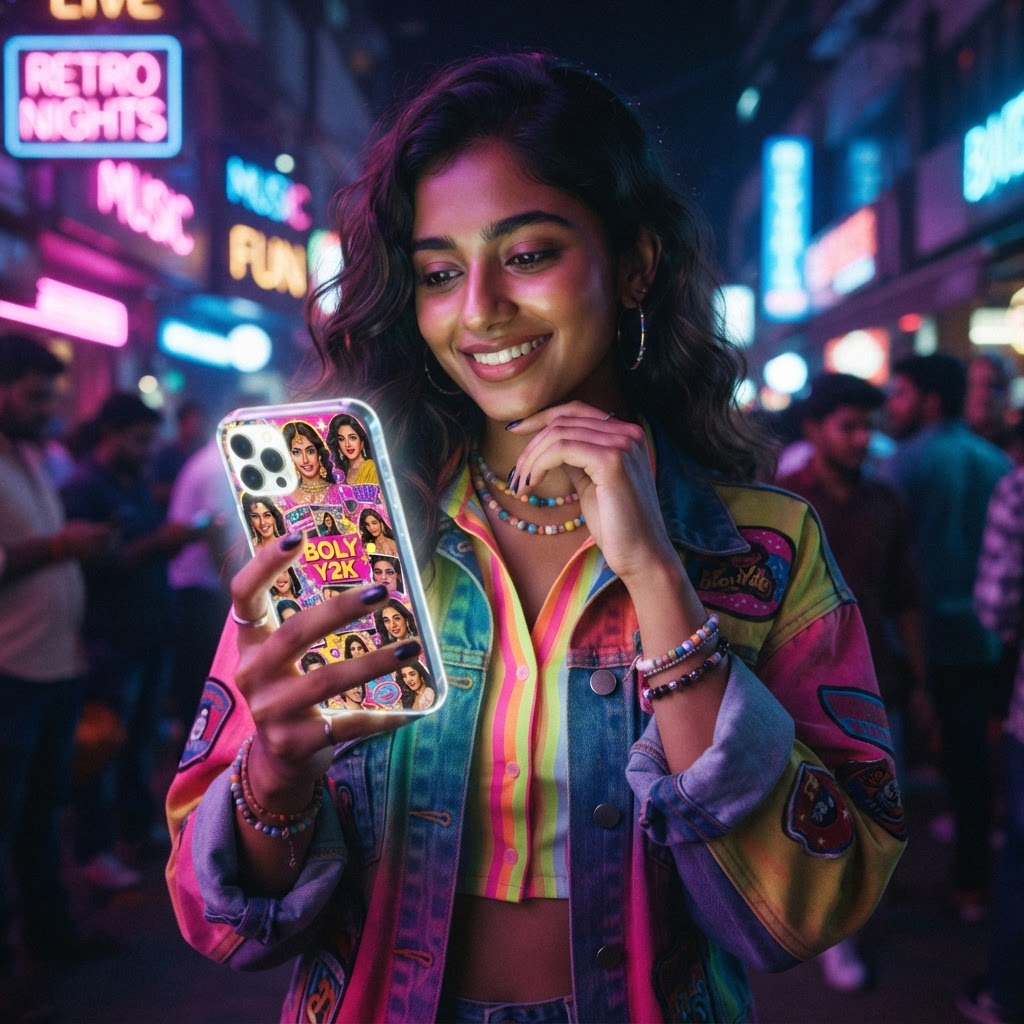
The timing matters. Many people are tired of the same ultra-clean social media image: bright skin, sharp detail, perfect background, perfect pose. The ChatGPT 1980s photo trend moves in the opposite direction. It makes pictures look older, softer, and slightly uncertain. That feels refreshing in a feed filled with images that have been edited until every person looks like a product launch.
Nostalgia also travels well online. Someone can post a picture wearing a giant blazer and write that it was taken in 1987, even though the person was not born then. Friends immediately understand the joke. Parents recognize the colors. Younger viewers get a quick tour of a style they know from movies, music videos, or old photographs.
Here is the funny part: people are not only recreating their own childhoods. They are inventing childhoods they never had. A teenager can make a fake school portrait in a decade they never experienced, while an older user can recreate the look of a family gathering without digging through boxes in the attic. The trend turns memory into a creative costume.
The emotional appeal is bigger than fashion
The Best ChatGPT 1980s Photo Prompts to Try
A useful prompt does not need to be long, but it should explain the subject, the era, the camera feeling, and what must stay unchanged. Start by saying what kind of image you want, then add details about light, clothing, background, and mood. If the face keeps changing, clearly ask the tool to preserve the person’s identity and facial structure.
Try a prompt like this: Create a natural-looking 1980s family album photograph using the reference image. Keep the person’s facial identity, expression, and skin tone recognizable. Use a simple indoor living-room background, direct flash, mild film grain, slightly faded colors, period clothing, and realistic imperfect framing. Avoid modern phones, modern logos, plastic-looking skin, and extra fingers.
For a Bollywood-inspired version, be precise without asking the model to copy a particular actor or poster. Ask for a colorful late-1980s South Asian film-studio portrait, dramatic warm lighting, bright traditional clothing, hand-painted poster colors, and a playful expression. Original styling is safer and usually more interesting than requesting a replica of a famous image.
Prompts improve through small edits. If the first result is too glossy, ask for lower contrast and cheaper film-stock texture. If it looks too old, remove the heavy scratches. If the clothing is wrong, name the garment rather than saying simply ‘make it retro.’
Prompt details that make the result feel believable
How to Make AI Retro Photos Look Less Fake
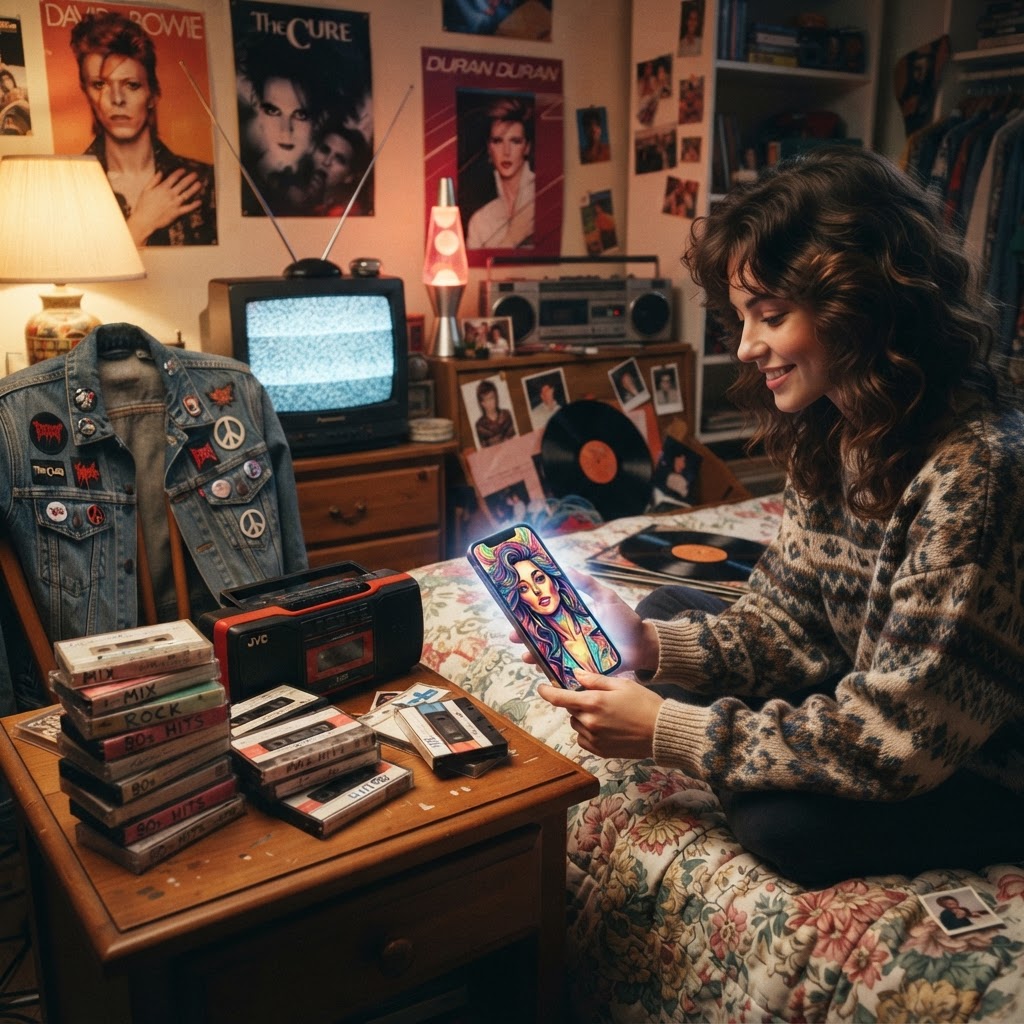
The biggest mistake is piling on every retro keyword at once. ‘Vintage, cinematic, nostalgic, dreamy, dramatic, grainy, colorful, authentic’ sounds exciting, but the model may combine those instructions into a confused picture. Pick a clear direction. Do you want a family snapshot, a studio portrait, a magazine cover, or a holiday photograph? Each one needs different lighting and composition.
Ask for ordinary details. A slightly crooked frame, a plain curtain, a plastic chair, a cheap wall clock, or a small flash reflection can do more than another sentence about nostalgia. Real photographs contain boring objects. Those objects tell the eye that the scene belongs to a real place.
I also recommend asking for restrained skin retouching. AI often turns a person into a smooth mannequin when the prompt says ‘beautiful’ or ‘perfect.’ A little texture, natural lines, and uneven light make the result more convincing. The goal is not to make someone look older. The goal is to make the camera feel older.
Check hands, jewelry, glasses, writing, and small logos before posting. These areas often reveal that an image was generated. If the picture is meant as a joke, that may not matter. If it is meant to represent a real family moment, labeling it as AI-created is the honest move.
Small imperfections can make a big difference
The Privacy Question Nobody Should Ignore
A retro photo trend looks harmless, but users still need to think about privacy. When you upload a face to an online image service, you are giving a company an image that can be processed, stored, or used under its terms. I am not saying people should panic or delete every app. I am saying the fun should not switch off your common sense.
Avoid uploading other people’s private photographs without permission, especially children’s pictures, identity documents, workplace badges, or images that reveal a home address. Remove screenshots that show phone numbers or personal messages. If the image comes from a family album, ask the people in it before turning it into public content.
There is also a difference between making a silly portrait and making a believable fake event. A clearly styled retro picture is usually easy to understand. A realistic image that appears to show a politician, celebrity, crime scene, or historic event can confuse viewers. Put a short label in the caption when context could be lost.
The more realistic these tools become, the more valuable simple disclosure becomes. ‘AI-created from my photo’ takes only a few words, and it prevents a lot of needless argument later.
What to check before uploading a personal photo
AI Nostalgia Is Changing How We Remember
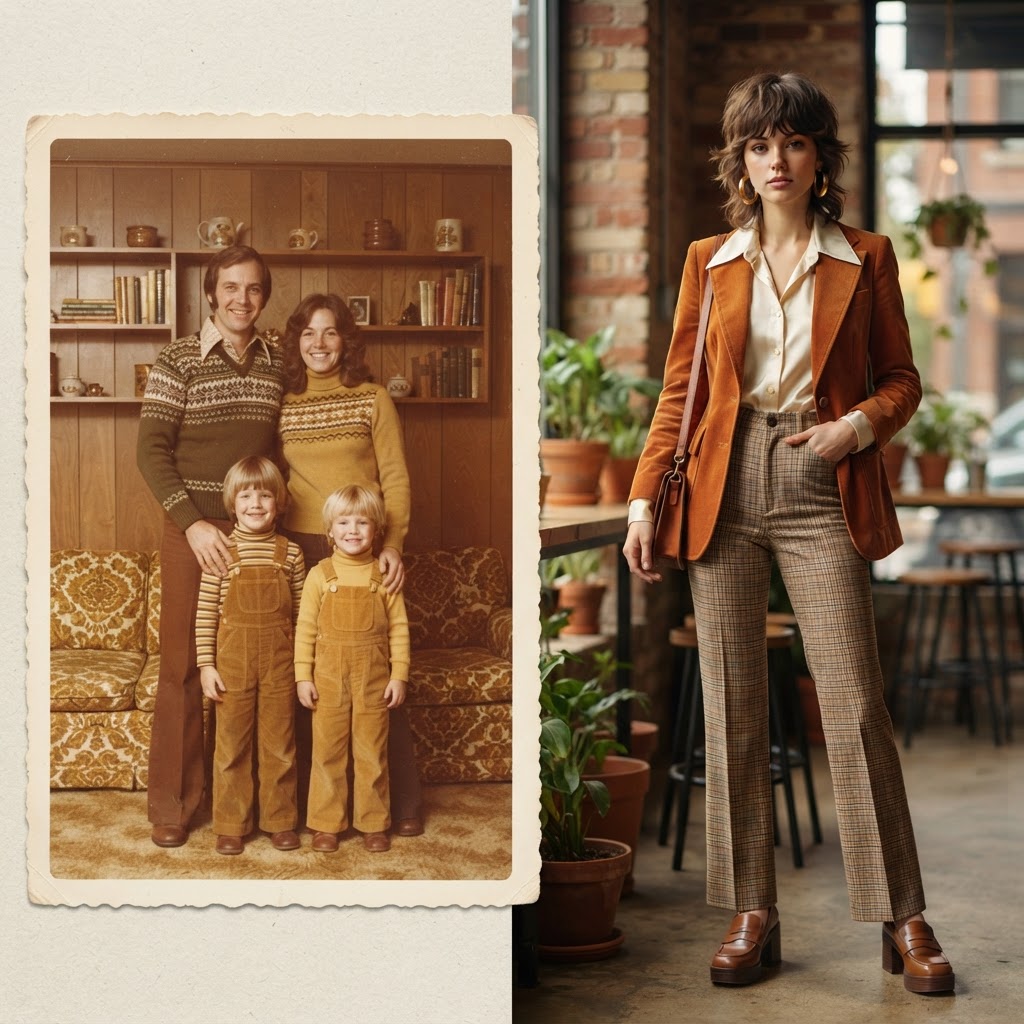
Old photographs used to be evidence that something happened, even if the image was blurry or badly exposed. AI-generated retro photos weaken that assumption. A picture can now look like a memory without documenting one. That does not make it useless, but it changes what the picture means.
Think of these images as visual fiction with a personal starting point. They can help someone imagine a younger version of themselves, create a birthday gift, or give a family story a playful illustration. They should not quietly replace the original photograph or be presented as proof that a person was somewhere they never were.
This distinction may sound fussy, but it matters as the images spread beyond the original creator. A friend sees a post, saves it, crops the caption, and shares it again. The next person may not know the image was generated. One missing line of context can turn a harmless joke into a false claim.
The best creators are treating the trend like a creative project, not a magic memory machine. They show the original picture, explain the prompt, and let people enjoy the transformation while keeping the truth visible.
A generated memory is still a generated memory
Why 1980s and Y2K Styles Keep Returning
Fashion rarely moves in a straight line. Styles that once looked embarrassing become fresh after enough time has passed. Large jackets, bright sportswear, chunky accessories, flash photography, and low-resolution video have all returned because younger audiences see them without the baggage that older people attach to them.
The 1980s photo trend also benefits from strong visual signals. One glance can suggest the era: a particular hairstyle, a warm flash, a patterned shirt, a television set, or a color palette. The 1990s and early 2000s have their own shortcuts, such as silver technology, blue denim, glossy makeup, and compact digital cameras.
Social media rewards images that can be understood quickly. A retro transformation has an instant before-and-after story. Viewers do not need a long explanation to see that the person has moved from a modern selfie into a different visual decade.
There is a deeper reason too. People are looking for a break from the present. The past in these images is not always historically accurate, but it feels slower, warmer, and less crowded with notifications. That feeling is often the real product.
The past is being used as a visual mood
How Brands and Creators Are Using the Trend
Small businesses have noticed the appeal. A clothing shop can turn a product shoot into a fake family album. A café can create a retro menu poster. A musician can build a visual world around old cameras and painted colors without paying for a complete period set. For a creator, the trend is a fast way to test an idea before spending money on a full production.
But there is a line between inspiration and misleading advertising. If a brand creates a fake photograph and presents it as a real customer story, trust takes a hit. If a restaurant uses AI people to imply that a real crowd visited, viewers may feel tricked. Clear labeling is not just a legal question; it is good marketing.
Creators should also check whether the output accidentally includes a real company logo, a copied poster design, or a recognizable celebrity likeness. A prompt can be original while the generated image still contains familiar visual material. Reviewing the result is part of the creative process, not an optional chore.
My favorite use is probably the simplest one: a creator explains the prompt, shows the failed versions, and posts the final image. That turns the trend into a small lesson instead of another mysterious piece of synthetic content.
Where creative use stops being honest
The Limits of ChatGPT Retro Image Generation
These tools are impressive, but they are not reliable historians. They may put the wrong technology in an old room, mix clothing from different decades, invent a brand name, or create architecture that never existed. A photo can feel emotionally true while being packed with factual errors.
Identity preservation is another weak spot. The model may change a nose, age a person too much, lighten skin, alter hair texture, or turn a familiar expression into a generic smile. That is especially uncomfortable when the image is made from a photograph of someone who has died. Users should handle those transformations with care rather than treating the output as a perfect reconstruction.
Text remains a problem as well. Signs, book covers, labels, and newspaper headlines may look almost readable but collapse under inspection. If your retro scene depends on a date or a name, add the text later in a normal editing tool or leave it out.
Finally, the same prompt can produce different results on different attempts. That unpredictability is part of the fun, but it means you need to save the version you like. Do not assume you can recreate it exactly next week.
Why a convincing image can still be wrong
How to Share the Trend Responsibly
A good caption can keep the whole joke clear. Say what the original image was, what era you requested, and that the final picture was made with AI. You do not need a long disclaimer that overwhelms the post. One honest sentence is enough for most casual uses.
If the image shows another person, tag or ask them before posting when appropriate. Do not use the trend to embarrass someone, fake an apology, invent a relationship, or suggest that a person attended an event. The retro style does not cancel ordinary social boundaries.
For children, be extra careful. A child’s face is not a costume for public entertainment, and a generated image can travel far beyond the family group where it began. Private sharing is safer than public posting, and parents should understand the platform’s image settings before uploading.
When you see someone else’s retro picture, resist the urge to treat it as evidence. Ask where it came from. The question is not rude; it is a normal response to a media environment where appearances can be produced in seconds.
A simple label protects the fun
What This Trend Says About the Future of Photos
The ChatGPT 1980s photo trend is not going to be the last nostalgia format. Next we will probably see more precise decade packs, family-history tools, animated album pages, and video versions that add movement to a still image. Someone will ask for a 1978 wedding film, a 1994 school corridor, or a 2003 holiday recording, and the software will try to supply the missing pieces.
That future could be useful. Families may create visual companions for oral histories. Teachers may show how clothing and design changed over time. Small filmmakers may test scenes before hiring a crew. People who never had childhood photographs may create imaginative portraits that help them tell a personal story.
It could also make evidence harder to judge. Newsrooms, courts, schools, and ordinary users will need stronger habits for checking original files and sources. The casual social post is becoming a place where fiction and documentation sit side by side.
So enjoy the trend, but keep the category visible. A generated picture can be beautiful, funny, moving, and completely invented at the same time. Those facts can coexist.
The next step is better context, not less creativity
Frequently Asked Questions About the 1980s AI Photo Trend
Q: Is the ChatGPT 1980s photo trend an official ChatGPT feature? A: It is better understood as a popular way of using AI image generation, not one single official preset. People are creating it with different prompts and image tools.
Q: What should I include in a retro photo prompt? A: Describe the decade, camera style, lighting, clothing, setting, and mood. Also say what the tool should preserve, such as the person’s identity and natural skin tone.
Q: Can I use someone else’s photo? A: Ask for permission before uploading or publishing a recognizable person’s private image. Never use the trend to impersonate someone or create a misleading event.
Q: Why do AI retro pictures sometimes have strange hands or text? A: Image models can struggle with small structures, fingers, jewelry, and readable writing. Inspect the final image before sharing it.
Q: Should I label an AI-generated retro photo? A: Yes, especially if viewers could mistake it for a real historical or family photograph. A short caption such as ‘AI-created from a modern photo’ keeps the context clear.
Quick answers for curious users
My Take on the ChatGPT 1980s Photo Trend
I understand why this trend is spreading. People are not only chasing likes; many are playing with the feeling of time. A modern phone picture becomes a tiny alternate history, and that is a surprisingly powerful idea.
Still, the best version is the honest version. Keep the original image. Mention that the new one is generated. Do not turn a playful effect into fake evidence. If you do that, the trend stays what it should be: a clever way to tell stories, experiment with style, and laugh at how quickly fashion comes back around.
Try a prompt with one clear idea tonight. Make the scene ordinary. Add a little grain, a believable room, and clothing that says more than a pile of adjectives. Then compare the result with a real photograph from your family. The contrast may be the most interesting part of the experiment.
And if your first image gives you six fingers and a television from the wrong century, keep it. Honestly, that may be the most authentic thing on the internet today.
Use the trend as a story tool, not a fact machine


Comments
Post a Comment