Rachel Ojuromi Chanel Runway Debut: How a Lagos Thrift Stylist Reached Paris
Rachel Ojuromi Chanel runway debut is the kind of fashion story that makes you stop scrolling. A 22-year-old Nigerian who filmed outfits on ordinary Lagos streets has now walked for Chanel in Paris. No marble studio, no giant production crew, no carefully staged luxury set at the start. Just clothes, a camera, a friend, and the confidence to make a city sidewalk feel like a runway. I think that contrast is what makes this story stick: a path into high fashion began somewhere far more familiar than the polished rooms we usually see.
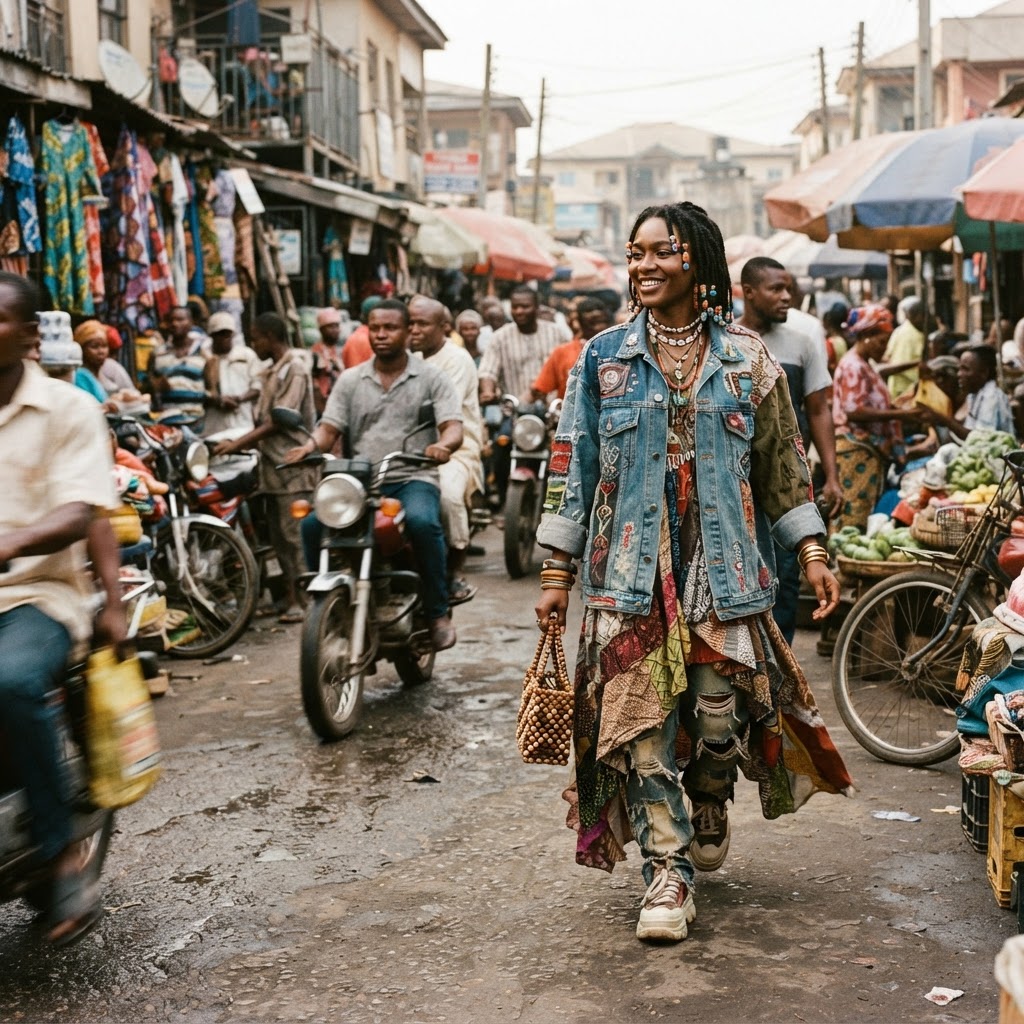
Rachel Ojuromi Chanel runway debut began on Lagos streets
Reporting published on October 9 says Ojuromi and her friend, stylist and designer Debby Fasingha, began making short fashion videos in spring 2026. They filmed in markets, shops, and everyday streets instead of waiting for a costly studio. One clip showed Ojuromi moving through ordinary errands in outfits that looked ready for an editorial shoot. That small creative decision did more than save money. It gave the videos a sense of place. Lagos was not a blank backdrop. The movement, shops, and daily life around her helped make the clothes feel lived in.
The difference matters. A fashion image can look polished and still feel distant. A person walking past a market with a basket of bananas, dressed with care, brings style into a scene viewers recognize. The visual joke is gentle: this could be an ordinary errand, except the outfit makes you look twice. That tension gives a short video an easy story. You do not need a narrator to explain it. The clothes and setting do the talking.
Why everyday locations made the videos memorable
Street settings also change how people read clothes. In a studio, attention goes straight to the garment. On a busy street, the viewer sees how it moves, how it catches the light, and how the wearer carries herself while the world continues around her. That can make styling feel less like an unreachable fantasy and more like an invitation to experiment. It says fashion does not have to wait for a special occasion or a perfect room.
There is a practical lesson here for anyone creating online: a recognizable idea can matter more than expensive equipment. The videos had a clear visual point, a real location, and a person who seemed comfortable in the frame. Those ingredients are available to many creators. They do not guarantee a viral moment, and it would be unfair to suggest that anyone can reproduce Ojuromi’s result by copying the formula. But they show how a small team can make work that feels distinctive without pretending to have a major production budget.
How a Chanel-inspired fashion video caught attention
One of the clips that drew particular attention showed Ojuromi and Fasingha recreating looks from Chanel’s Métiers d’Art collection using secondhand finds and pieces from Ojuromi’s own wardrobe. The idea was not simply to put on expensive-looking clothes. It was a styling exercise: study a visual language, then reinterpret it with what is available. The result gave viewers something familiar to recognize and something personal to discover.
Fashion references travel quickly online. A viewer might recognize the shape or mood of a collection before knowing its name. Then the creator’s version becomes a kind of conversation with the original: here is the inspiration, and here is what it can become when filtered through another person’s taste, budget, and surroundings. That is more interesting than a straightforward imitation. It leaves room for ingenuity.
Recreating a look is not the same as buying the look
Luxury fashion often tells a story through materials, construction, history, and price. A recreation made from thrifted pieces cannot reproduce every one of those things, and it does not need to. Its appeal can come from observation: noticing a silhouette, a color relationship, or a styling detail, then finding a fresh way to express it. Ojuromi’s approach made the process visible. People could see not only a finished outfit but also the resourcefulness behind it.
That is one reason secondhand fashion deserves more than a sustainability slogan. It can be a design practice. A shopper has to look closely, combine pieces that were not made as a set, and work around what is actually available. Sometimes the best part is the unexpected jacket that fits perfectly with an old skirt. Sometimes nothing works, and the trip ends with a very ordinary bag of clothes. That uncertainty is part of the fun.
From a viral clip to a Chanel runway invitation
The reported sequence is striking. After the recreation video spread, Chanel creative director Matthieu Blazy responded with the word “Everything” and a heart emoji, according to the October 9 report. Fashion outlets then covered Ojuromi. By September, she had signed with modeling agencies in New York, Paris, London, and Canada. On October 5, she made her Chanel runway debut at the house’s Spring/Summer 2027 show at the Grand Palais during Paris Fashion Week.
That is a remarkable chain of events, but it is worth keeping the timeline clear. A social post can create attention; attention can lead to introductions; professional representation can create opportunities; and a runway booking is a distinct professional milestone. The public story compresses all of that into a neat “viral video changed everything” headline. Real careers are rarely that tidy. The video may have opened a door, but walking through it still required preparation, timing, and the ability to do the work.
What a modeling agency changes
Signing with agencies is not the same as becoming an overnight star. Representation can help a model be considered for jobs, navigate a complex industry, and connect with clients in different markets. It does not promise a steady stream of bookings or remove the uncertainty that comes with creative work. Fashion careers can involve travel, castings, rejection, changing schedules, and periods when nothing public happens at all.
That context does not make the Chanel debut less exciting. It makes the achievement more understandable. A runway appearance is one visible moment in a larger process. The camera catches a few seconds as a model crosses the room, while the work around that moment stays mostly out of view. For viewers, remembering that difference is a useful way to celebrate without turning a person’s life into a fairy tale with guaranteed success at the end.
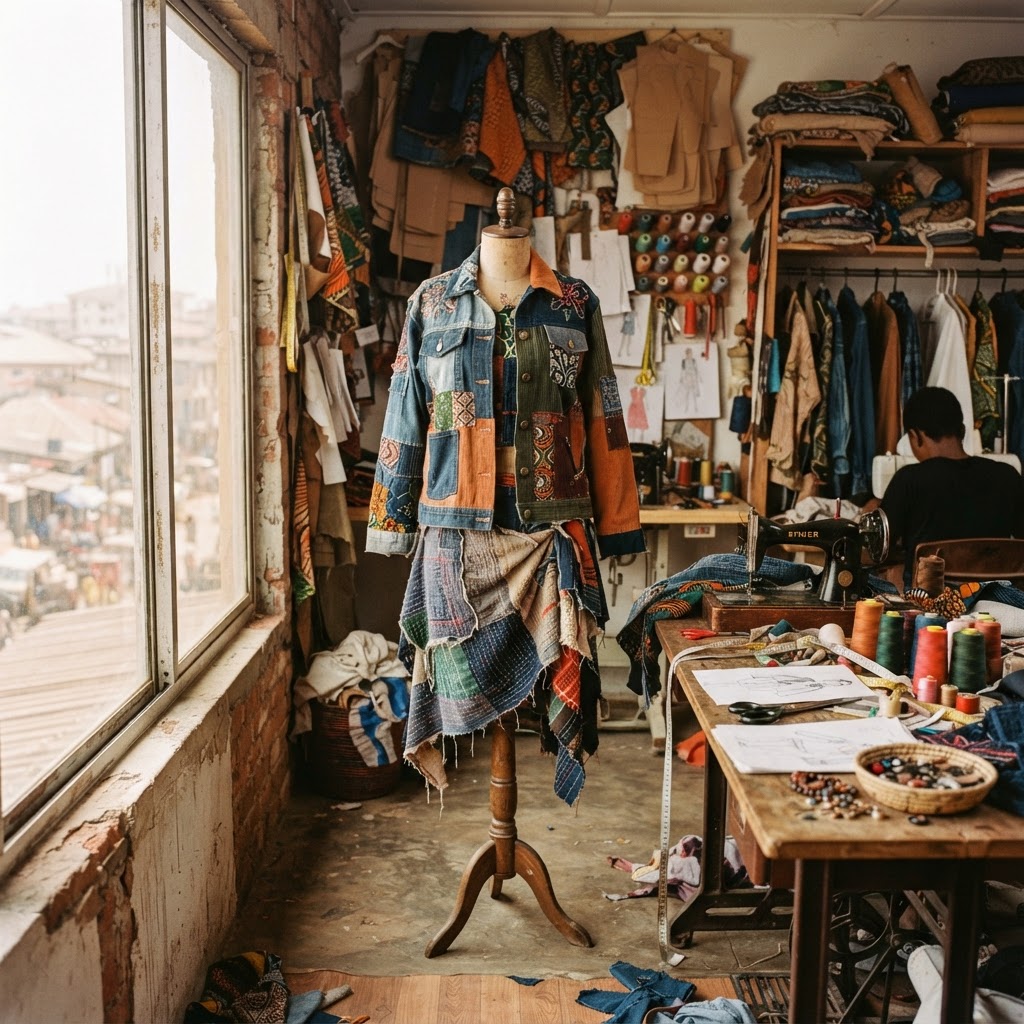
Why Rachel Ojuromi’s Lagos-to-Paris story feels different
There is no shortage of fashion content online. New outfits appear every minute, and the phrase “viral moment” gets used so often that it can lose meaning. Ojuromi’s story stands out because several details fit together: a clear point of view, an inventive use of secondhand clothing, a recognizable fashion reference, a real city setting, and a collaboration with someone who helped shape the work. None of those details alone explains the response. Together, they make the videos easy to remember.
I also think the Lagos setting matters in a way that should not be reduced to scenery. The city is part of the creative context, not a colorful prop added to make a clip look exotic. The videos were made in places where people live, shop, work, and move through the day. That everyday setting challenges the idea that fashion credibility only comes from a handful of capitals or expensive production spaces. It does not mean geography stops mattering in an unequal industry. It does show that talent and visual ideas can be found well beyond the places that fashion has traditionally treated as its center.
Visibility can widen the picture of fashion
When a model from Nigeria appears on a major Paris runway, people may see a wider range of faces and creative routes represented in a familiar institution. Representation is not a magic solution to barriers in fashion. One casting does not prove that the industry has become fair or that every aspiring model now has equal access. But visibility can change what young creatives imagine to be possible, and that is meaningful on its own.
It also invites a sharper question: who gets noticed, and who gets the support to turn attention into a durable career? Social platforms can make discovery less dependent on traditional gatekeepers, but they do not remove gatekeeping. Agencies, brands, casting teams, and budgets still shape which opportunities become real. The best version of this story is not “the internet fixed fashion.” It is that a creator’s work reached people who could help create a new opening, while audiences got to see an original voice travel further.
Secondhand styling and the appeal of creative limits
Thrift styling is often framed as a bargain-hunting challenge, but it is also an exercise in visual problem-solving. A person starts with imperfect choices: a limited size range, a one-off garment, a color that was not planned, or a piece that needs a small repair. Instead of ordering a matching outfit, the stylist has to make decisions. What can be altered? What can be layered? Which detail should lead? That work can produce combinations that feel more personal than buying a complete look off a rack.
There is a sustainability angle, though we should be careful with sweeping claims. Buying used clothing can extend a garment’s life and reduce demand for new production in some cases. It does not automatically make every wardrobe sustainable. Transport, cleaning, overconsumption, and the quality of the original garment still matter. The honest point is simpler: reusing what already exists can be one practical way to shop with more imagination and less pressure to buy new for every trend.
How to try the idea without copying the outfit
If Ojuromi’s story makes you want to experiment, start with one item you already own. Choose a jacket, scarf, skirt, or pair of shoes with a strong shape. Then build around its color or texture. At a secondhand shop, look for a piece that solves one specific problem rather than trying to assemble a perfect outfit in one visit. Maybe you need a contrasting layer. Maybe you want a softer fabric beside a structured one.
- Pick one visual anchor, such as a bold color or an unusual collar.
- Mix one polished piece with something relaxed, instead of matching everything.
- Try the clothes in daylight and move around before deciding the look works.
- Repair or adjust a garment when that is safer and cheaper than replacing it.
- Credit designers and creators when a specific look or idea inspired your styling.
These are starting points, not rules. Personal style is allowed to be messy. The point is to notice what you like and make choices on purpose. A thrifted outfit does not have to imitate a runway collection to be successful. It only has to feel like something you wanted to wear.
Social media can open doors, but it cannot guarantee a career
It is tempting to turn Ojuromi’s rapid rise into a formula: post consistently, use a luxury reference, and wait for a famous person to comment. That would be a poor lesson. Most creators do not receive a high-profile response, even when they make good work. Algorithms are unpredictable, audiences arrive for different reasons, and a post can disappear from view before it finds the people who might appreciate it.
A more grounded takeaway is that a body of work gives people something concrete to respond to. The spring videos established a visual identity over time rather than relying on one isolated snapshot. They showed Ojuromi wearing clothes in motion, in varied settings, with a collaborator helping shape the presentation. That creates a stronger impression than a profile that only announces aspirations. It lets viewers judge the work for themselves.
Make the work first, then make it easy to find
For emerging creators, this does not mean turning every hobby into a growth strategy. It means making the kind of work you would be proud to show someone, then presenting it clearly. A useful profile can explain what you make, show a few strong examples, and include a straightforward way to contact you professionally. If an opportunity arrives, clear credits, accurate information, and a reliable way to communicate can help the next step feel less chaotic.
Creators should also protect their boundaries. Public attention can be flattering and intense at once. Not every message deserves a reply, and not every request is a real opportunity. A trusted friend, mentor, or professional representative can help assess offers and spot warning signs. Online praise is not a contract. A comment from a major name can be exciting, but any paid job or agreement still deserves careful reading.
What the Chanel Spring/Summer 2027 show adds to the story
The October 5 show took place at the Grand Palais in Paris. The report describes a collection by creative director Matthieu Blazy with tweed suits, knee-length skirts, sheer fabrics, and bold prints. Illuminated bird sculptures filled the venue, giving the set a sense of lightness and movement. Ojuromi walked among the models, making her Chanel runway debut. Those details help place the moment in a real event rather than leaving it as a vague claim about “making it.”
Runway shows are designed to create images people remember. The clothes, lighting, room, music, and pacing work together. A model’s job within that scene is focused and demanding: present the clothes, follow the timing, and move with composure while many people watch. For a first appearance at a house with Chanel’s visibility, the experience must have been intense. We can say that without pretending to know exactly what Ojuromi felt privately.
That distinction is important in celebrity coverage. A public milestone is fair to discuss; an imagined inner monologue is not a fact. It is easy for writers to invent a touching reaction or a dramatic backstage scene because it makes a story feel complete. But the real achievement is strong enough without us adding details no one has confirmed. She walked the show. That is the news.
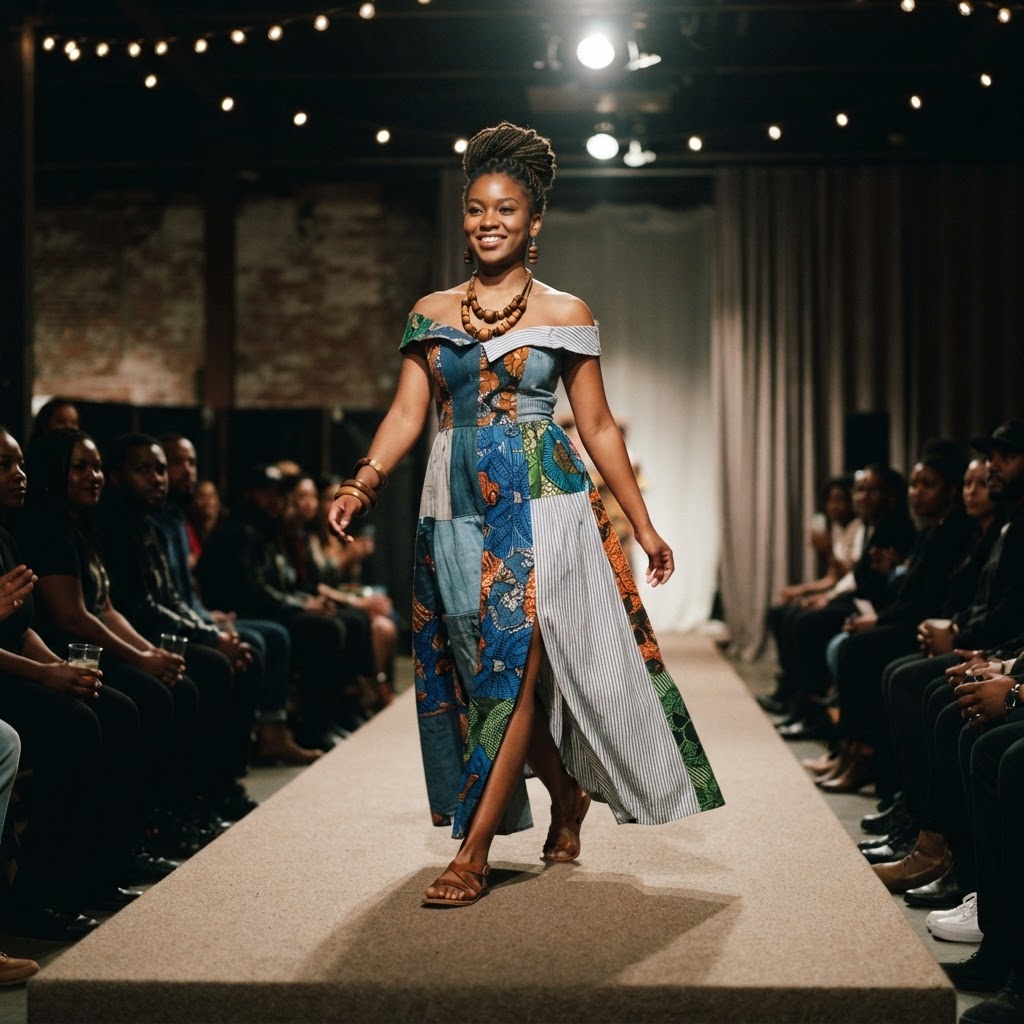
Fashion discovery beyond Paris and the usual gatekeepers
For decades, fashion coverage has often treated a few cities as the main stages where talent becomes visible. Paris remains an important fashion capital, but a creator’s ideas do not begin only when they arrive there. Ojuromi’s videos show a creative process happening in Lagos before the runway booking. That order matters. The work existed before a luxury house or international outlet noticed it.
Digital platforms make it easier for an image to cross borders, but access is uneven. Reliable internet, good equipment, free time, safety, and social connections all affect who can post consistently. Then platform ranking systems decide which work gets shown. Saying “anyone can go viral” ignores those differences. A better observation is that online distribution can create routes that were less visible before, while leaving many old advantages firmly in place.
Brands also have responsibilities when they draw inspiration from creators and communities. Credit should be clear. Collaboration should be fair. A public compliment is kind, but it is not the same thing as a paid partnership or a career opportunity. In this case, the reported runway booking is a concrete professional milestone. As the story develops, it will be worth watching whether attention turns into ongoing work and whether the people behind the original videos are recognized for their contributions.
What aspiring models and stylists can take from the story
There is no guaranteed blueprint in this story, but there are useful habits. First, create with the resources you have instead of waiting for every condition to be perfect. Second, work with people whose strengths complement yours. Third, make the idea visible. A great styling concept that never gets documented may be hard for future collaborators to find. Finally, learn the practical side of the industry alongside the creative side: communication, contracts, scheduling, credits, and personal safety matter.
For stylists, a small portfolio can show range without being enormous. Include a few looks that demonstrate different skills: color, proportion, reuse, tailoring, or story. For models, practice can include movement, posture, and comfort in front of a camera, but there is no single correct body or personality for fashion. The industry has long pushed narrow standards. Creators and audiences can support broader casting by engaging with work that makes room for different people and perspectives.
Keep ambition, but do not measure yourself by one viral story
Ojuromi’s achievement is inspiring partly because it is unusual. That is also why it should not become a yardstick for everyone else. A post that receives modest attention can still be meaningful. A local client, a small exhibition, a first paid styling job, or a collaboration with a friend can be real progress. Online numbers measure a platform’s response at a particular moment, not the full value of a person’s work.
If you are building something, keep a record of what you make and what you learn. Notice which images communicate your idea clearly. Ask for feedback from people who understand the craft, not only from strangers chasing a quick reaction. Give yourself time to improve. Those steps do not promise a runway, but they make the work stronger and can help you recognize a genuine opportunity when it appears.
Frequently asked questions about Rachel Ojuromi and Chanel
Who is Rachel Ojuromi?
Rachel Ojuromi is a 22-year-old Nigerian model and fashion creator. Reporting published October 9 says she made short styling videos in Lagos with her friend, stylist and designer Debby Fasingha, before signing with modeling agencies in several markets.
Why did Rachel Ojuromi’s fashion videos go viral?
The videos paired inventive styling with everyday Lagos locations. A widely discussed clip recreated looks from Chanel’s Métiers d’Art collection using secondhand finds and clothes from Ojuromi’s wardrobe. The combination gave viewers a recognizable fashion reference and a fresh local interpretation.
When did Rachel Ojuromi make her Chanel runway debut?
The October 9 report says Ojuromi walked Chanel’s Spring/Summer 2027 show on October 5 at the Grand Palais during Paris Fashion Week. It was her Chanel runway debut.
Who is Debby Fasingha?
Debby Fasingha is identified in the report as Ojuromi’s friend, stylist, and designer. The two began filming fashion videos together in spring 2026, and Fasingha helped create the styling work that brought wider attention to Ojuromi.
What can creators learn from Ojuromi’s story?
The story shows the value of a clear creative point of view, collaboration, and making work visible with the resources at hand. It does not prove that virality is predictable or that one posting formula guarantees a fashion career.
Rachel Ojuromi Chanel runway debut: the real takeaway
Rachel Ojuromi’s path from filming outfits in Lagos to walking for Chanel in Paris is exciting because the creative work came first. She and Debby Fasingha made fashion videos in the places around them, using secondhand pieces and personal clothes to build a point of view. People noticed. The attention led to professional steps, and on October 5 Ojuromi appeared on a major runway.
My favorite part is not the idea that one viral clip can magically solve a career. It is the reminder that good creative work can begin in ordinary places, with a small team and a strong eye. Paris was the destination of this particular chapter, but the story’s first scene was in Lagos. That deserves to stay in focus.
Follow the creators’ work through their public professional channels, and give credit to both the model and the stylist when sharing the story. And if this makes you look at your own wardrobe differently, try building one outfit around something you already own. You do not need a runway invitation to make getting dressed feel creative.


Comments
Post a Comment