Lagos Life Game: Why Nigeria’s Browser-Built Virtual City Went Viral
The Lagos Life game has crossed one million players within days of launch, and that number says something bigger than “a new game got popular.” It suggests that people are hungry to see their own streets, jokes, money worries and ambitions reflected in the things they play. I think that is the interesting part: Lagos Life did not ask players to escape into a faraway fantasy. It invited them to log into a version of a city they already know.
Built by Nigerian developer Ijeoma Shalom Rayhamen, known online as Shalom Rayhamen, the browser game lets people create characters, find work, earn and spend virtual money, visit familiar places and interact with other players. It runs in a web browser rather than requiring a large app download. That simple choice may be one reason the game travelled so quickly across phones and computers.
There is a lot to admire here, but viral growth also brings real design and safety questions. Can a small team keep a multiplayer city fair when it suddenly fills with people? And what does a local game need to do next if its first million players arrive faster than expected? Let’s look at the appeal, the clever product choices and the harder questions without treating one exciting launch as proof that every challenge is solved.
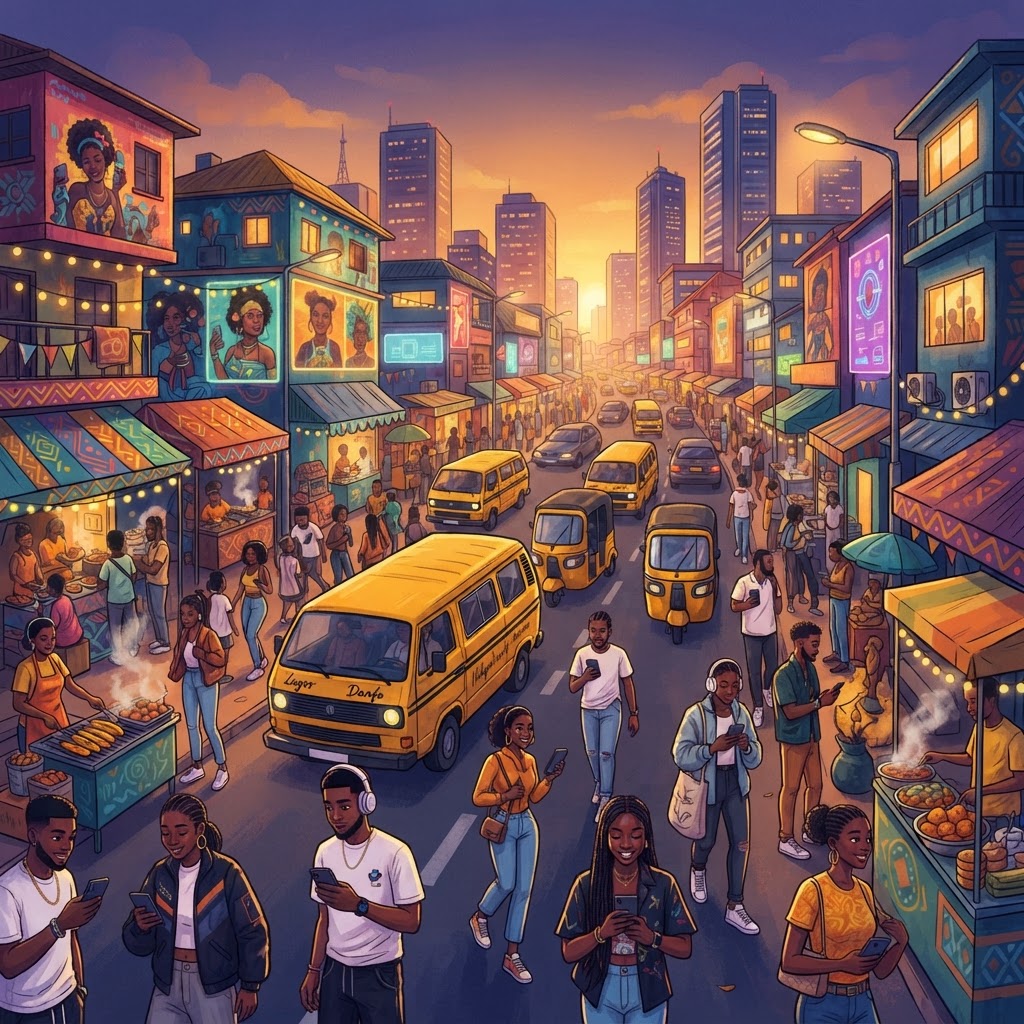
Lagos Life game: what players actually do
The central idea is easy to explain. A player enters a shared virtual version of Lagos, creates a character and tries to improve that character’s circumstances. The game draws on familiar routines: working, managing energy, finding food, saving money, meeting people and trying to move into a better situation. Players can visit places named in reporting about the game, including Amala Shitta and Quilox.
That may sound ordinary until you think about how much of a game’s personality comes from its setting. A generic city could have jobs and nightclubs. Lagos Life makes those elements feel specific by connecting them to places and social references its audience recognizes. The result is not simply a map with local labels. It turns a familiar cultural setting into the rules of play.
From “Nepo” to “Lapo”
At the start, players are assigned one of two circumstances described as “Nepo” or “Lapo.” The labels play on the difference between starting with wealth and connections or having to make do with fewer resources. That framing gives players an immediate story: the character has a starting point, and the player has to decide what to do with it.
There is humor in that premise, but also a recognizable conversation about opportunity. In real life, people often debate how much success comes from effort and how much comes from family money, networks or luck. A game can make that debate playful, but it should also be careful not to reduce difficult economic realities to a punchline. The appeal is strongest when the joke lets players recognize something while still giving them choices.
A real-time city rhythm
BusinessDay reports that the virtual day follows the actual day. That decision can make the game feel less like a sequence of disconnected missions and more like a place players revisit. When time, energy and money matter, even a small task can feel like part of a daily routine.
There is a trade-off. A real-time clock can make a shared world feel lively, but it can also put pressure on players to check in. Good design should make the world enjoyable without turning the clock into a guilt machine. Players should be able to step away and return without feeling that their character has been punished for having a life offline.
Why the Lagos Life game spread so quickly
The reported growth is striking: the game moved from more than 100,000 users to one million players within days, and peak simultaneous activity reportedly exceeded 100,000 people. Those are figures reported by BusinessDay, not independent public analytics I can inspect, so they should be understood as reported milestones. Even with that qualification, the speed is a strong sign that the concept found an audience.
One likely reason is cultural recognition. People share things that make them say, “That is exactly what my friend does,” or “I know that place.” A familiar detail can do the work of a long explanation. Players can understand the joke, tell a friend, and bring that friend into the same world.
Another reason is that the game lowers the effort needed to try it. There is no large app package to download before a curious person can see what it is. Open a browser, connect to the internet and visit the game. That does not make access completely effortless, because data, device quality and connectivity still matter, but it removes one big barrier.
- The browser format avoids a required large download.
- Lagos references make the setting immediately recognizable to many Nigerian players.
- Social interaction gives people reasons to invite friends back.
- Humor about money, status and daily hustle gives players shareable moments.
Viral popularity often looks mysterious from the outside. Usually, though, it is a meeting of several things: a product people can try quickly, a story they can explain in one sentence, and enough social energy that a player wants to bring somebody else along. Lagos Life appears to have that combination.
Browser gaming in Nigeria: accessibility matters
Browser games have an old reputation as small distractions between other tasks. That reputation can obscure their practical value. A browser-based product may reach people who do not have room on a phone for another heavy app, do not own a gaming console, or simply do not want to install an unfamiliar program before testing it.
In Nigeria, as in many places, a digital product competes not only with other entertainment but with real constraints: the price of devices, available storage, data costs and the reliability of internet access. The browser approach does not solve all of these. A player still needs a device and a connection. But it can make the first step smaller, and a smaller first step can matter a lot.
This is a useful lesson for developers beyond games. Sometimes a new product does not need a complicated launch strategy. It needs to work on the devices people already have and make the first useful moment arrive quickly. If someone can understand the appeal before they lose patience, the product has a better chance of earning a second visit.
Low friction is not the same as no cost
It would be misleading to say that a browser game is free of access barriers just because it does not require an app-store download. Data can be expensive. Older phones may struggle with demanding pages. Connectivity may be inconsistent. Those details should be part of any honest discussion about digital inclusion.
Still, the format gives the developer room to reach people in a familiar way. A link can travel through group chats and social posts. There is no need to persuade someone to install a large file before the game has earned their interest. That is a practical advantage, not magic.
What Lagos Life says about Nigerian game development
Many players around the world spend time in games built by studios far from their own communities. There is nothing wrong with enjoying global games. But locally made games can notice details that a distant studio might miss: how people joke, what counts as a status symbol, which places carry meaning, and how ordinary routines shape social life.
According to BusinessDay’s report, Rayhamen grew up playing The Sims 3 and imagined what a simulation might look like through Nigerian culture. Another local browser game, Lagos Run, helped encourage the project. That account points to a productive creative process: borrow a broad genre idea, then ask what it becomes when the characters, social references and daily pressures come from a different place.
Local relevance is not a substitute for good design. A game still needs to run reliably, explain itself clearly and give people reasons to keep playing. But cultural specificity can give a product a personality that is hard to copy. It can help a game feel less like a translation and more like something made from the start for the people who recognize its world.
Games can be products, not just hobbies
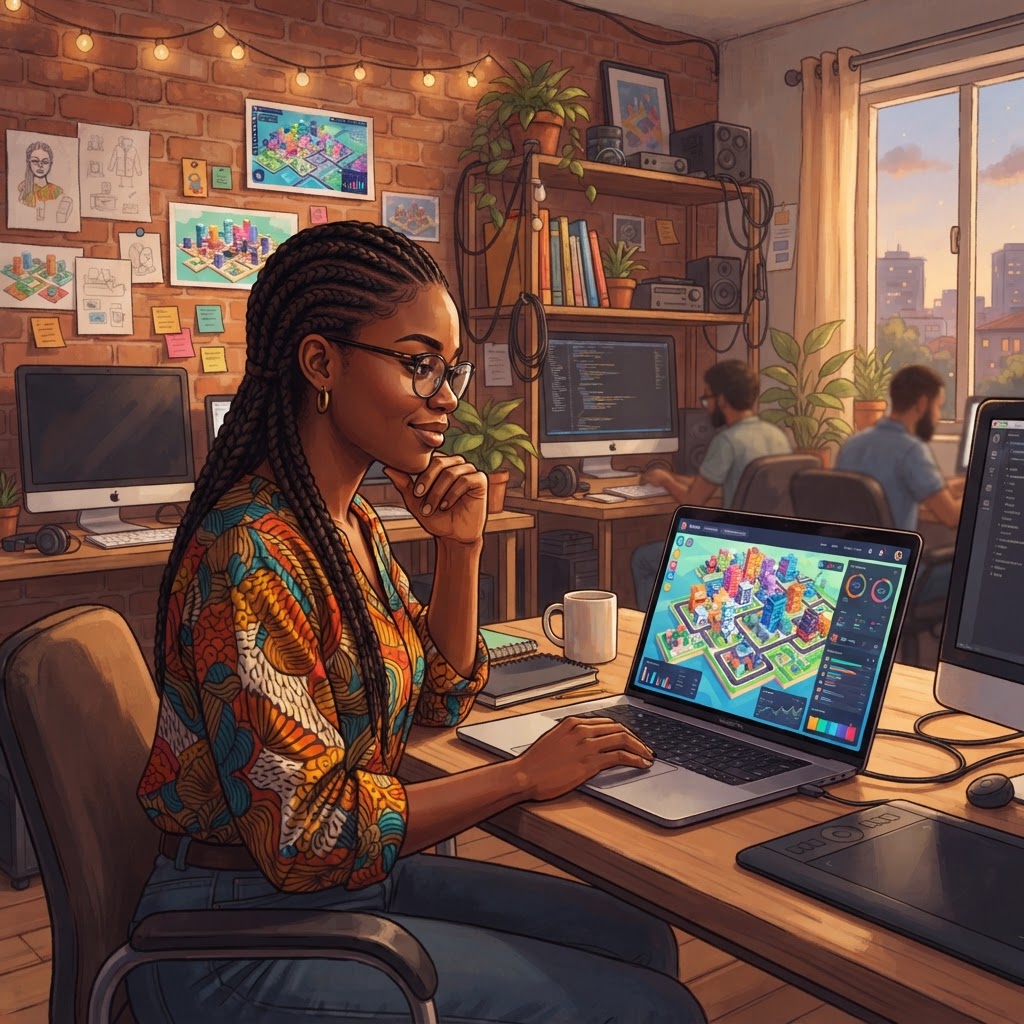
It is tempting to treat games as a side project next to “serious” technology such as banking or productivity software. I think that view misses how much skill and commercial possibility sits inside entertainment. A game can bring together software engineering, art, community management, live operations, payments and storytelling. If people return to it, it can become a durable digital service.
That does not mean every viral game will become a sustainable business. Attention can fade, operating costs can rise, and a sudden audience can expose weaknesses. The more useful conclusion is modest: Nigerian creators can build entertainment products that attract large audiences, and those products deserve to be taken seriously as part of the digital economy.
Viral growth brings a virtual money problem
BusinessDay reported that an exploit briefly let some players generate enormous amounts of virtual money. The developer reset the unfair funds and promised fixes. That episode is a reminder that a multiplayer economy is not just a decorative feature. Once money, jobs, possessions and status shape the game, players will notice whether the rules are fair.
Imagine joining a game where you have been carefully saving, only to discover that other players found a shortcut that gives them a huge advantage. Even if the currency has no real-world value, the experience can still feel unfair. People invest attention and time. They want to believe that effort means something inside the world.
Fixing exploits is only one part of the job. A growing game may need ways to spot suspicious behavior, restore balance, explain resets and respond to reports. It also needs to tell players what a reset means for their progress. Clear communication can prevent a technical repair from turning into a trust problem.
Fairness has to be visible
Players do not expect every game to be perfectly balanced on launch day. They do expect developers to take unfair advantages seriously. If a bug benefits a few people, a team should explain what happened in plain language, what it changed and what it is still investigating.
There is a tricky balance between correcting abuse and punishing ordinary players who did nothing wrong. That is why transparent rules matter. A developer should make it easy to distinguish a deliberate exploit from normal play, and should avoid making confident claims before checking the evidence.
At one million players, even a small percentage of people encountering a problem can mean a large number of affected users. Growth changes the scale of support. The community can help surface issues, but a community cannot replace careful testing and a clear process for handling complaints.
Can Lagos Life keep its community healthy?
A shared online world is part game and part social space. That means the experience depends on more than the mechanics. Players need ways to interact, but they also need tools that discourage harassment, scams and disruptive behavior. The bigger the community gets, the more important moderation becomes.
I would not assume from a launch story alone that the game has a particular safety problem. The point is that any fast-growing multiplayer product should plan for these questions early. What can players report? What happens after a report? Are chat rules easy to find? Can a user block someone or leave an interaction? Those are basic design questions, not accusations.
Privacy deserves the same care. Players should be able to understand what information a game collects and what is visible to other people. If the game is aimed at a broad audience, the developer should make age expectations and community standards clear. Trust is easier to build when users do not have to guess.
There is also a cultural responsibility in using real places and social labels. A playful virtual city can celebrate its inspiration while avoiding the suggestion that every resident lives the same way. Lagos is not one story. It is millions of different lives, and a game will always simplify the real city. The best version of that simplification invites people in without claiming to speak for everyone.
What could come next for the Lagos Life game?
The next phase is likely less glamorous than the launch spike. It means listening, fixing, prioritizing and deciding what not to build yet. Can the servers handle recurring demand? Can new players understand the game without a long tutorial? Can the team keep the economy fair? Can updates arrive without breaking what current players enjoy?
Those questions are not signs that the project is in trouble. They are the ordinary work of turning a hit into a product people can trust. A million first visits are exciting. A smaller number of players choosing to return every week may matter even more.
There are several paths the developer might explore over time, though none should be treated as a confirmed plan unless the team announces it:
- More neighborhoods, venues or everyday activities that deepen the sense of place.
- Better onboarding so new players quickly understand work, energy and money mechanics.
- Community tools that help players socialize safely and report problems.
- Performance improvements for phones and slower connections.
- Careful ways to support development without making the game unfair for people who do not pay.
That last point matters. If a game eventually adds purchases or other ways to earn revenue, the choices should preserve the appeal of the shared world. Players tend to notice when spending money becomes the only practical path to progress. A sustainable game needs revenue, but it also needs a community that believes the rules are worth playing under.
Lagos Life game and the power of being recognizable
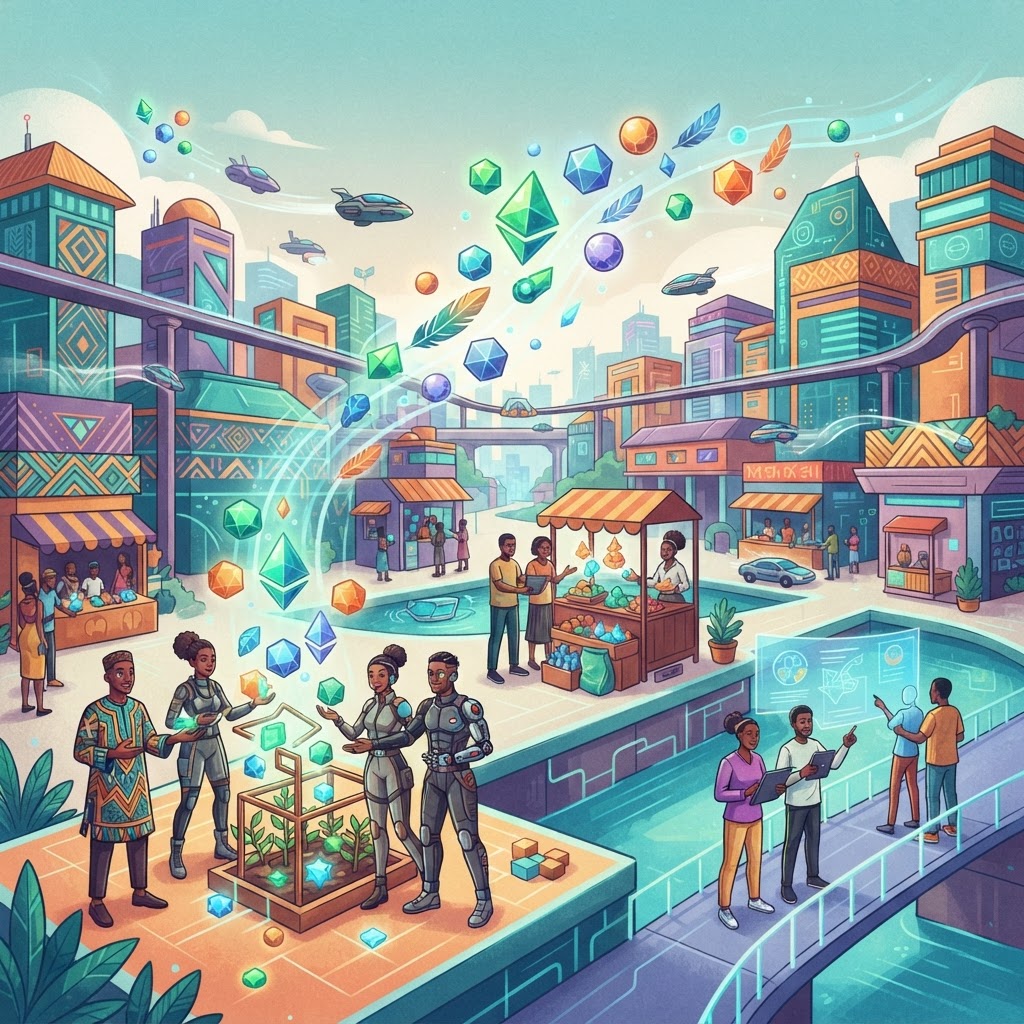
Why did this idea connect? My read is that it gives players a chance to laugh at familiar pressures while changing the scale of those pressures. In real life, rent, work and social mobility can feel heavy. In a game, they can become systems to experiment with, friends to joke about and goals to chase together.
That transformation does not make real hardship trivial. It gives people a shared language for talking about it. A player can tease a friend about being “Lapo,” brag about a virtual job or compare routes through the city. The same details that make a game feel local also give people material to share outside the game.
There is a lesson here for creators: audiences do not always need a more realistic version of a foreign idea. Sometimes they want a familiar world with enough imagination to surprise them. A specific setting can travel because it is specific, not despite it. People who do not know every reference can still understand the human themes of ambition, money, friendship and status.
But one viral hit should not be asked to carry the hopes of an entire industry. It is one promising example, not a guarantee that funding, infrastructure or business models have suddenly become easy. The fair takeaway is that local creative work can find large audiences when the product is accessible and the cultural detail feels alive.
Frequently asked questions about Lagos Life
What is the Lagos Life game?
Lagos Life is a Nigerian-built browser game described in BusinessDay’s October 5 report as a shared virtual social world inspired by Lagos. Players create characters, work, manage resources, visit familiar locations and interact with other people.
Who created Lagos Life?
The game was created by software developer Ijeoma Shalom Rayhamen, who is also known online as Shalom Rayhamen. BusinessDay reported that she drew inspiration from playing The Sims 3 and from the idea of placing simulation gameplay in a Nigerian cultural setting.
Does Lagos Life need to be downloaded?
The report describes Lagos Life as a browser game, meaning it runs through a web browser rather than requiring a conventional large game download. Players still need a compatible device and an internet connection, and access can depend on those conditions.
How many players does Lagos Life have?
BusinessDay reported that the game passed one million players within days of launch and that peak simultaneous users exceeded 100,000. Those figures are attributed to the report; they are not a live count independently verified here.
Is Lagos Life’s virtual money real money?
The reporting describes money as part of the game’s virtual economy. It does not establish that in-game funds are real-world currency. Players should rely on the game’s own current terms for any questions about purchases, balances or account value.
The bigger story is what players recognize
The Lagos Life game has a headline-friendly milestone, but the number is only the beginning of the story. Its more lasting significance may be the way it turns familiar culture into a shared digital place, and how quickly people responded to that invitation. A browser link became a meeting point for players who wanted to see their city’s rhythms reflected back at them.
Now comes the less viral, more important work: keeping the experience stable, fair, welcoming and worth returning to. If the team can learn from the first wave without losing the distinctive voice that made the game catch on, Lagos Life could become a strong example of what locally rooted game design can do.
If you try it, pay attention to which details feel most recognizable and which ones you wish the game handled differently. Share those observations respectfully, support local creators where you can, and remember that a virtual Lagos is a creative interpretation, not a replacement for the real city and everyone who calls it home.


Comments
Post a Comment