Janhvi Kapoor AI-Morphed Video: Why Consent Must Matter Online
The Janhvi Kapoor AI-morphed video has put a hard question in front of all of us: what should happen when someone’s face or performance is altered and shared without permission? After an altered clip connected to her song “Chuttamalle” circulated online, Kapoor publicly condemned its circulation, describing it as a serious violation. The story is not just a celebrity dispute. It is a warning about how quickly a manipulated image can outrun the person whose identity it uses.
I think the most useful response is neither panic nor a shrug. AI editing can be playful and creative, but a convincing edit involving a real person can also cross a line. Here is how to understand the Janhvi Kapoor AI-morphed video story, what is confirmed, what remains unknown, and what ordinary viewers can do before sharing a clip.

Janhvi Kapoor AI-Morphed Video: What Has Been Reported
News reports on October 5 said Kapoor spoke out after an AI-altered version of a video associated with “Chuttamalle,” a song from the film Devara: Part 1, was circulated. Reports described her response as a condemnation of the altered clip and its spread. Actor Jr NTR and others were reported to have supported her.
That is the core of the story. Details beyond those confirmed reports should be treated carefully. Online posts can make a clip seem more widely verified than it is, and screenshots or reposts rarely explain where an edit began, who made it, or how it was changed. I won’t repeat or link to the manipulated material. Sharing it again, even to criticize it, can increase its reach and cause more harm.
The distinction matters. We can discuss the public response and the risks of AI manipulation without turning the person targeted into a spectacle. The point is not to inspect the clip. The point is to ask why it was made, whether the person consented, and what platforms and viewers should do next.
What is confirmed, and what is not
Based on the reports available today, Kapoor publicly objected to an AI-altered video tied to her work. The precise origin, editing process, and full distribution history have not been independently established here. Don’t treat viral claims about the maker, software, or motive as fact unless reliable reporting confirms them.
Why AI-Morphed Celebrity Videos Spread So Quickly
A familiar face catches attention. A familiar song catches attention too. Put them together in a short clip, add a sensational caption, and people may share before asking whether the scene is real, authorized, or even presented honestly. Recommendation systems reward activity, not careful judgment. A post that triggers anger or surprise can travel far before a correction catches up.
AI tools also lower the effort needed to alter images and video. Some edits are obvious jokes. Others are designed to look plausible. That difference can be difficult to judge from a phone screen, especially when the clip has been compressed, cropped, or reposted without its original context.
There is another uncomfortable reason these posts get clicks: curiosity. People want to see what everyone is discussing. But curiosity can become unpaid distribution. Each view, repost, quote-post, or reaction may push the content toward more people, even when the user’s intent is to condemn it.
Virality is not proof
A million views do not establish that a video is genuine, consensual, or newsworthy. They only show that the platform has placed it in front of many people. I’d treat a viral clip like a claim, not like evidence. Ask who published it first, whether a credible outlet has verified it, and whether the original person has addressed it.
Consent and AI-Generated Celebrity Content
Consent is not a technical detail. It is the difference between someone choosing how their likeness is used and someone else taking control of it. Public figures do work in public, but fame does not erase their right to object to fabricated or altered depictions, especially when an edit changes the meaning of a performance or makes viewers believe they saw something that never happened.
There are legitimate uses of digital editing: film effects, parody, clearly labeled fan art, restoration, and authorized promotional work. The context and permission matter. A tool can be neutral; a particular use can still be intrusive, misleading, or abusive.
Some people argue that a celebrity should expect anything online. I disagree. Being recognizable is not consent to every possible edit. The same basic standard should apply whether the person is an actor, a politician, a local creator, or someone whose private photo was copied from a personal account.
Why a label alone may not solve it
A label such as “AI-generated” helps, but it does not automatically make a harmful edit acceptable. Labels can be removed when a clip is downloaded. Viewers may miss a small disclaimer. And a fabricated video can still embarrass or distress someone even when some viewers know it is fake. Disclosure is useful, but permission and context still matter.

How to Check an AI-Morphed Video Before You Share
You do not need specialist software to pause a possible fake. A few ordinary checks can prevent a misleading or harmful clip from spreading. They will not prove every video is authentic, but they can help you avoid treating a repost as verified fact.
- Look for the earliest known upload, not just the account that made the clip go viral.
- Check whether a reliable news outlet has confirmed the event and the video’s context.
- Compare the clip with official footage, the full performance, or the person’s verified public statement.
- Notice whether captions make claims that the video itself cannot prove.
- Be cautious with strange timing, unnatural movement, inconsistent lighting, or audio that does not match the scene. These clues are not conclusive on their own.
- If the edit appears intimate, humiliating, or non-consensual, do not repost it to “raise awareness.” Report it through the platform’s tools instead.
One simple test is to imagine the clip is about a friend or family member. Would you send it to a group chat without knowing where it came from? If the answer is no, the celebrity version deserves the same pause.
What fact-checkers can and cannot tell you
Reverse image search, metadata, and forensic tools may help investigators, but none is a magic authenticity button. Social platforms often strip metadata, while generative tools improve quickly. A visual glitch can be a clue, not a verdict. Until a credible source confirms the facts, say “unverified” rather than confidently declaring a clip real or fake.
What Platforms Should Do About Manipulated Videos
Platforms have more information than an ordinary viewer: upload histories, repeat copies, user reports, and sometimes signals about how a file was created. They should make reporting routes easy to find, respond quickly to non-consensual manipulated media, and explain decisions clearly. If a post is removed, users should know the relevant rule; if it stays up, the platform should be able to explain why.
Detection systems can help find copies, but they can make mistakes. A responsible process needs human review for sensitive cases, a way for the person depicted to appeal, and safeguards against removing legitimate criticism or clearly labeled parody. Speed matters, but accuracy matters too.
Platforms should also avoid rewarding harmful material simply because it drives comments. If the system keeps recommending a clip after people report it, the reporting button is not much protection. Better friction, such as warnings before resharing disputed media, can give people a moment to think.
Clear rules need consistent enforcement
Rules are meaningful only if users can understand them and platforms apply them consistently. A celebrity should not need to mobilize millions of followers to get attention, and a private person should not need a public platform to be taken seriously. Policies should cover manipulated media that impersonates a real person, especially when it is presented as genuine or used to harass them.
AI Video Ethics: What Viewers and Creators Can Do
Viewers can make a difference with small choices. Don’t share a clip just because it is shocking. Don’t tag the person targeted to force them to see it. Don’t quote-post it with a scolding caption that still embeds the video for thousands of people. Report the content, then discuss the issue without reproducing the material.
Creators have a higher bar. If a real person’s face, voice, or performance is used in an AI edit, ask whether you have permission and whether a reasonable viewer could mistake it for a real event. Label synthetic content clearly, including in the caption, and keep the label attached when reposting. If the edit depends on humiliating someone, that is a strong reason not to publish it.
There is room for comedy and art. But “it was a joke” does not settle the question. Who is the joke aimed at? Did the person agree to participate? Does the post invite viewers to laugh with them, or at them? Those questions are more useful than arguing over whether a tool can technically make the edit.
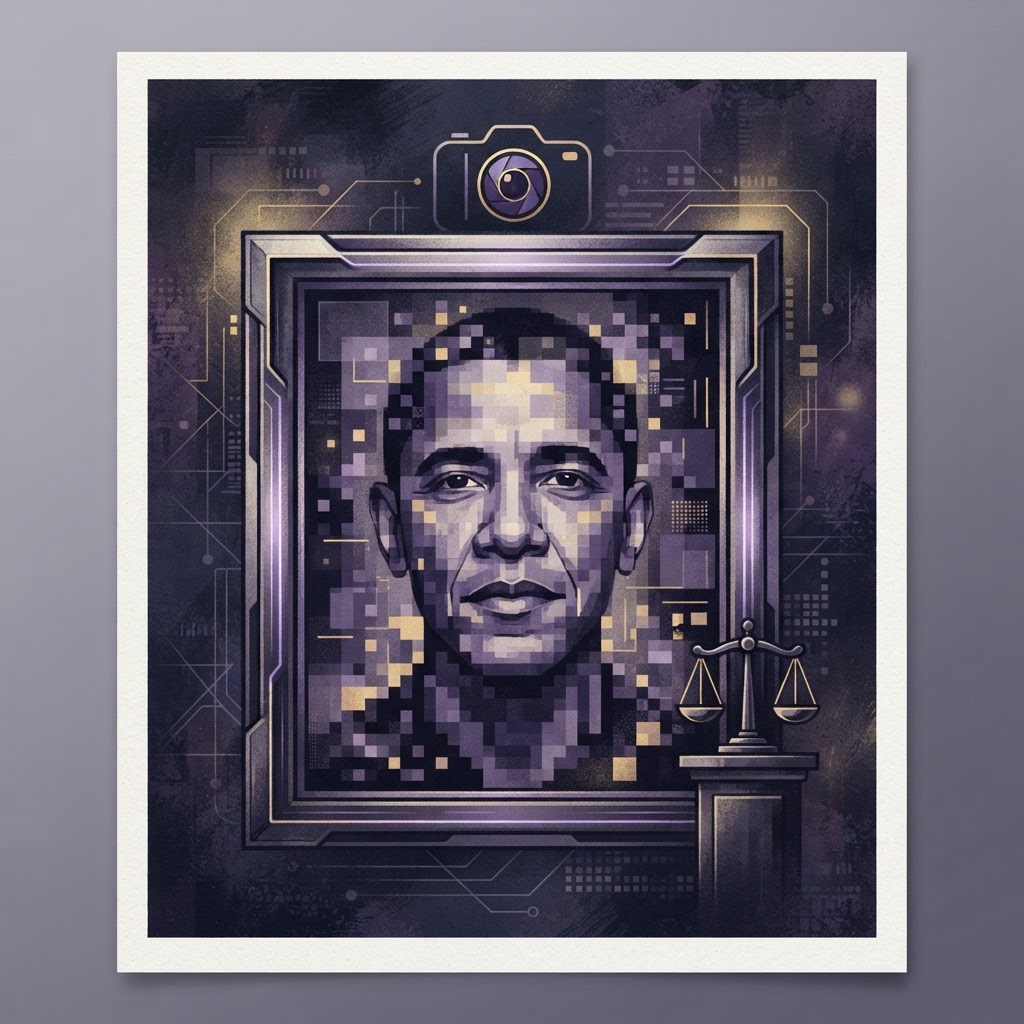
What the Janhvi Kapoor AI Video Story Means Beyond Bollywood
This story is being discussed in the context of Indian cinema, but the issue crosses borders and industries. Actors, musicians, journalists, politicians, streamers, and ordinary people can all have their likeness copied into fabricated media. Better tools will make edits easier to produce, while familiar faces and emotional captions will keep them easy to circulate.
That does not mean every AI image is dangerous or every edit needs a courtroom. It does mean we need a clear social norm: don’t assume access is permission. A person’s public image is not an all-purpose raw material for strangers.
For film and music, this conversation also touches labor and ownership. Performers contribute more than a still image. Their identity, expression, and work have value. Companies and creators should be clear about what is authorized, how synthetic edits are disclosed, and who can ask for removal when a use crosses a line.
Technology moves faster than shared habits
Most people learned how to handle edited photographs over decades. Realistic AI video is moving much faster. Schools, families, newsrooms, and platforms all have a part in teaching basic media literacy: verify the source, separate a claim from evidence, and think about the person shown before forwarding a clip.
Janhvi Kapoor AI-Morphed Video: Questions Readers Are Asking
What happened with the Janhvi Kapoor AI-morphed video?
Reports published on October 5 said Janhvi Kapoor condemned an AI-altered video associated with her song “Chuttamalle” from Devara: Part 1. The clip’s exact origin and editing history have not been independently confirmed here, so claims beyond that reported response should be treated cautiously.
Was the video confirmed to be made with AI?
News coverage described it as an AI-altered or morphed video. Without a verified technical analysis or a reliable account of how it was created, viewers should avoid making specific claims about the tool, creator, or process.
Should I share the clip to criticize it?
No. Reposting can give the content a larger audience and expose the person depicted to more unwanted attention. You can condemn non-consensual manipulation, report the post, and link to credible reporting without embedding the clip.
How can I tell if a viral video is manipulated?
Start with the source and context. Look for the original upload, compare it with trusted footage or a verified statement, and check credible reporting. Visual oddities may raise questions, but they do not prove manipulation by themselves.
What should someone do if their likeness is used without permission?
Save relevant evidence such as URLs, dates, and screenshots, report the content through the platform, and consider contacting a trusted adviser or legal professional. The right steps depend on the location and circumstances, so a general article cannot replace specific legal advice.
A Better Rule for AI Videos: Pause Before You Pass Them On
The Janhvi Kapoor AI-morphed video story is a reminder that a clip can be easy to make and difficult to contain. That gap leaves real people carrying the consequences while the post races across feeds. It is fair to ask platforms for stronger safeguards, but viewers are not powerless either.
Before you share a striking video, take ten seconds. Check the source. Look for confirmation. Think about consent. If the post relies on embarrassment or a person’s lack of permission to get attention, don’t help it travel.
That small pause will not fix every problem with AI. It can keep one questionable clip from becoming your contribution to someone else’s harm. Share the reporting, not the exploitative edit, and ask platforms to make their rules work for the people shown in the media.
Why the First Upload and the Repost Are Different Responsibilities
People sometimes say they are only passing along something that already exists. I understand the instinct: a repost can feel less serious than making the edit. But distribution changes the size of the audience. The original creator may have reached a small group; a high-following account can put the same file in front of thousands within minutes.
There is also a difference between reporting on a harmful post and reproducing it. A news story can describe the incident, quote a public response, and explain the broader issue without showing the material. That choice gives readers information while limiting the chance that the report itself becomes another route to the clip.
If a friend shares a questionable video, a calm private message may work better than a public pile-on. You can say you have not seen reliable confirmation and ask them to remove it. That is not censorship. It is a request to avoid making a possibly harmful claim travel farther before anyone knows the facts.
What Better AI Disclosure Could Look Like
Disclosure should be easy to notice and hard to lose. A tiny label at the end of a long caption is not enough if the video gets downloaded and uploaded elsewhere. Platforms and editing tools can attach provenance information where possible, while creators can put a plain-language notice on the video itself and in its post text.
Still, technical labels are only one part of a solution. Provenance records can be missing, stripped, or unavailable for older files. A disclosure mark can tell us that a tool was used, but it cannot tell us whether the subject agreed. Good media literacy means asking both questions: how was this made, and was this use fair?
That may sound like a lot to ask of a viewer scrolling during a lunch break. It need not become an investigation every time. For ordinary funny edits that are clearly fictional and harmless, people can enjoy them. The extra care matters when a video claims to show a real person doing something consequential, intimate, or humiliating.
Respectful Coverage Does Not Require Silence
There is a concern that refusing to circulate a clip will hide the problem. I see the point, but visibility does not require unlimited repetition. We can name the behavior, quote the person’s response accurately, and explain how to report abuse without copying the very content being criticized.
That approach also protects accuracy. Viral media stories often attract confident but unsupported theories about who made a file or what it shows. A responsible account can say what is known, mark what is not, and update as credible evidence emerges. Admitting uncertainty is not weakness; it is how readers know where the facts stop.


Comments
Post a Comment