Blind Boxes: The Viral Retail Trend Reshaping How We Shop in 2026
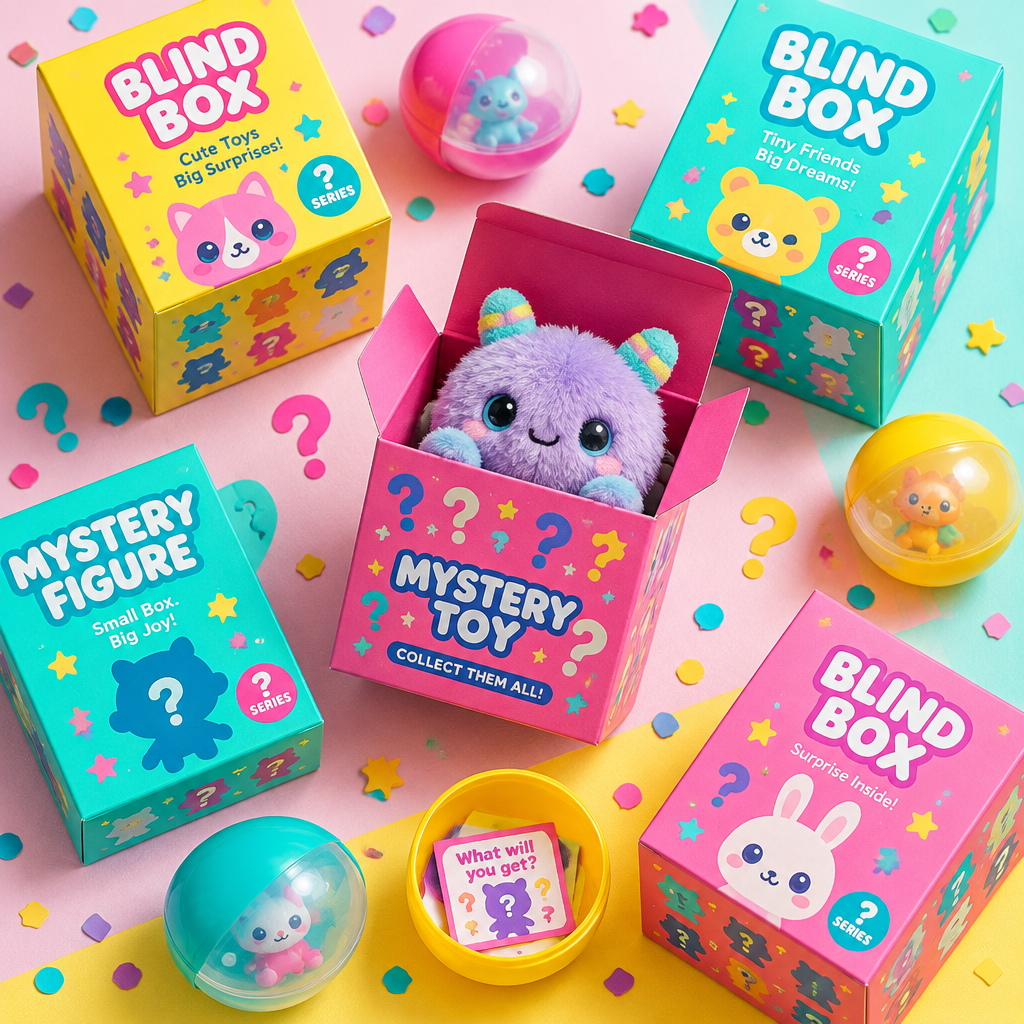
Have you ever paid real money for a box you weren't allowed to peek inside? Millions of people do it every single week. The blind box has grown from a niche toy idea into one of the biggest retail trends on the planet. Searches for "blind box" have climbed more than 1,725% in the past five years. TikTok unboxing clips pour fuel on the fire. And one toothy plush doll named Labubu turned a Chinese toymaker into a giant worth billions. But late 2026 brought a sharp plot twist. Sales are sliding fast. Here's the full story of the blind box boom, and what it means for your wallet.
Why Blind Boxes Matter Right Now
Walk into almost any mall right now and you'll see the evidence. Vending machines stacked with mystery capsules. Lines outside toy shops on a random Tuesday. Teens filming themselves opening tiny boxes like it's championship night. The blind box isn't just a toy craze. It's a new way of selling that jumped from gaming into almost every corner of retail.
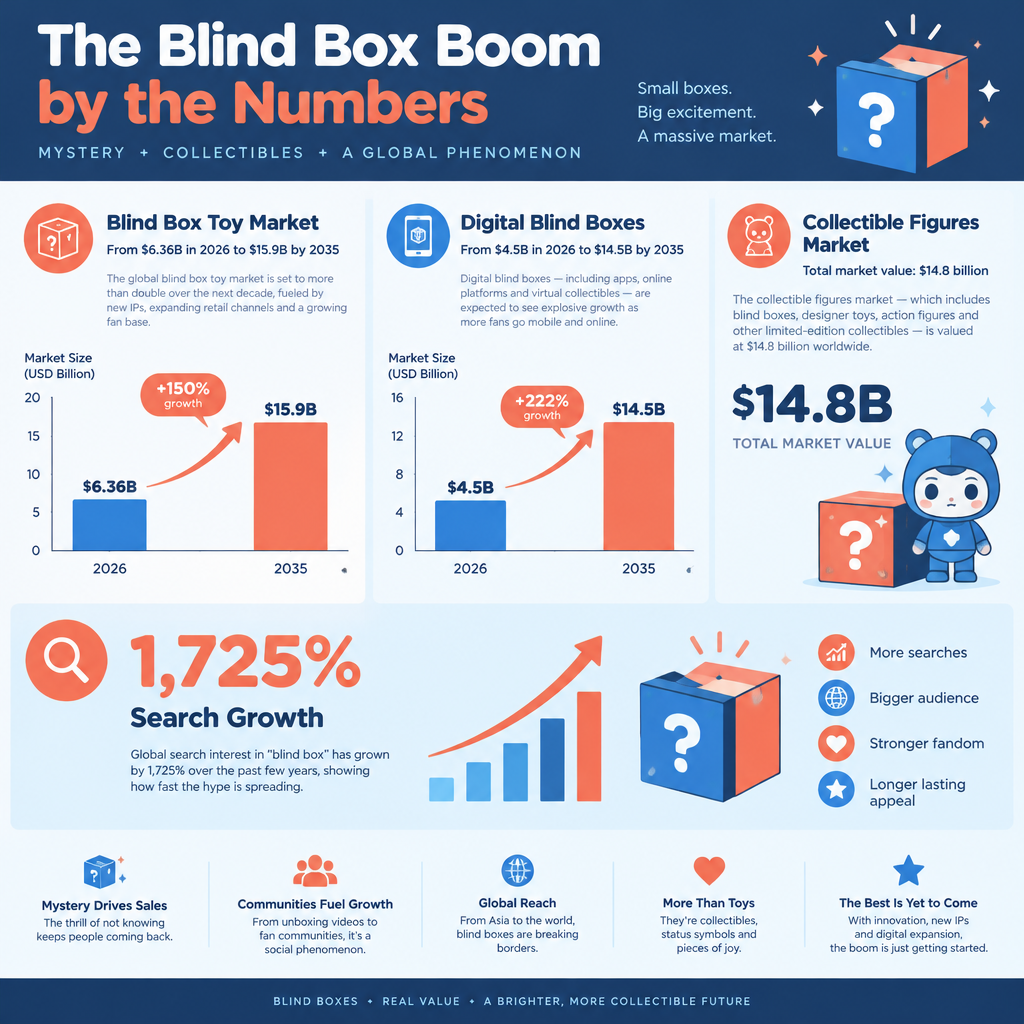
The numbers tell the story. The global blind box toy market is worth about $6.36 billion in 2026. Analysts expect it to reach $15.9 billion by 2035. Digital blind boxes, where you pay to open virtual surprises in an app, add another $4.5 billion this year. Even old-school brands are taking notes.
Picture a normal family trip to the mall. You planned to buy socks. Forty minutes later, your kid is opening a third mystery capsule, your partner is filming it, and the socks are forgotten. Sound familiar? That's the blind box effect in action.
Why should you care? Because this sales trick is built around your brain's love of surprise. Once you understand it, you'll spot it everywhere. And you'll be much harder to fool.
What Is a Blind Box, and Why Can't We Stop Buying Them?
The Simple Rules of the Game
A blind box is a sealed package with a surprise inside. You know the general category, but not the exact item. Maybe it's a plush elf. Maybe it's a horror figurine. Maybe it's the rare one everyone wants. You find out only after you pay and tear it open.
That short gap between paying and opening is the whole business model. It turns a simple purchase into a moment of suspense. Collectors call each purchase a "pull." Others call it a gamble. Both descriptions fit.
The figures inside aren't equal, either. Some are common. Some are rare. Some are "secret" versions hidden at long odds. That mix makes every box feel like a lottery ticket with a toy attached.
Compare that with a normal purchase. When you buy a book or a shirt, you know exactly what you're getting. The decision is simple: is it worth the price? A blind box adds a second question. What will I get? That question does the heavy lifting, because your brain can't resist trying to answer it.
This Idea Is Older Than You Think
Surprise packaging isn't new. Baseball card packs have hidden their contents for over a century. Japanese gashapon capsule machines have delighted kids since the 1960s. What changed wasn't the idea. It was the packaging, the fandom, and the camera in your pocket.
TikTok turned private joy into public entertainment. An unboxing video costs nothing to make and delivers suspense to thousands of viewers at once. The viewer feels a small hit of the same thrill, without spending a cent. Then many of them go buy a box anyway. If you're curious how algorithms decide which clips blow up, check out our guide to AI SEO and the new rules of search.
The Loot Box Comes to Life
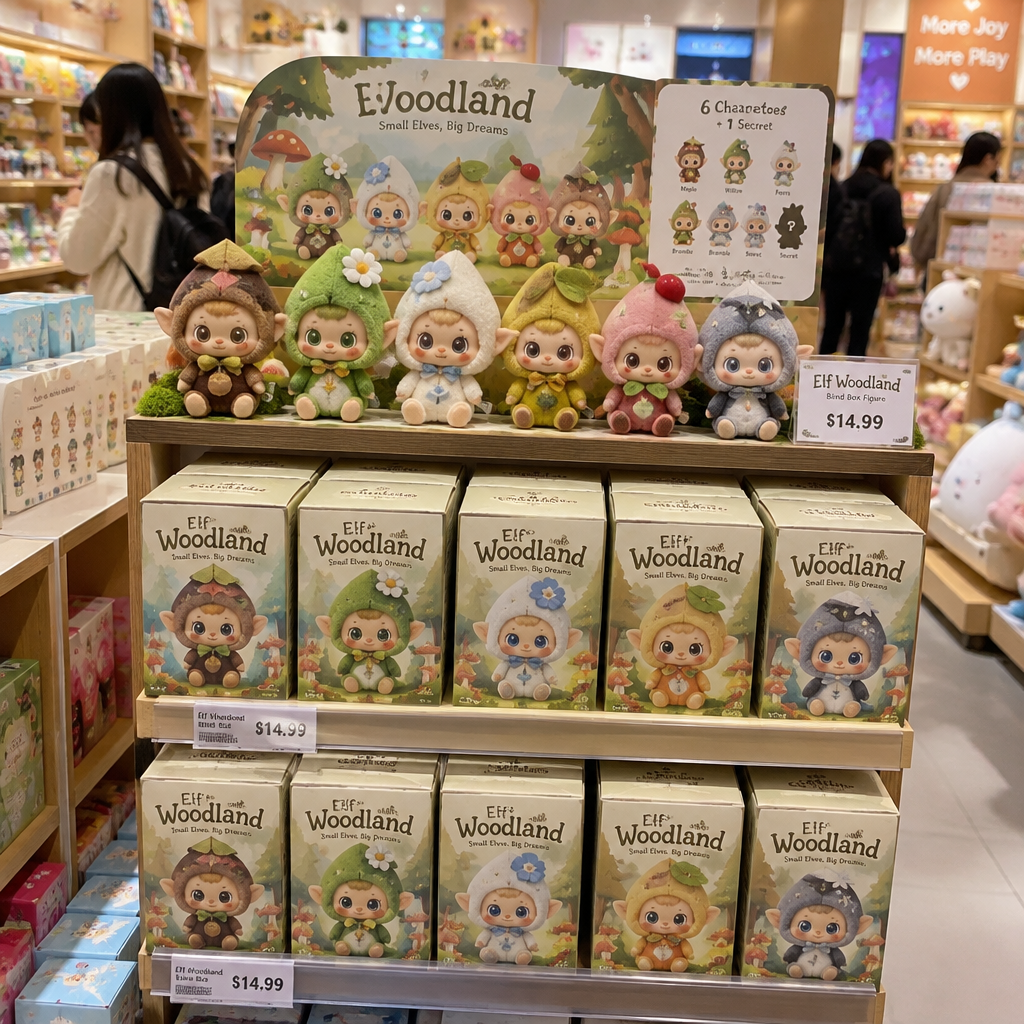
Gamers saw all of this coming. Video games have sold loot boxes, which are paid packs with random rewards, since at least 2009. That's when EA added its Ultimate Team mode to FIFA 09. Players now spend billions a year on packs without knowing what's inside. Searches for "loot boxes" have grown roughly 1,700% over 15 years.
The blind box is that same idea wrapped in cardboard. Pay, open, hope for the jackpot. The toy world just made it something you can hold in your hand. And something you can film.
How Rare Is Rare?
Here's where it gets spicy. Brands rarely publish exact odds. A typical series might have 12 figures, and each box gives you a random one from that pool. Secret figures can be much harder to find than the rest, sometimes appearing once in every 72 boxes or even less often. Some places, like China, now push rules that force makers to reveal the odds. Most shoppers never check them. Knowing the odds before you buy is the single easiest way to keep your spending sane.
The Labubu Story: A $5 Billion Rise and a Sudden Fall
How Pop Mart Conquered the Toy World
The face of the trend is Labubu, a small elf-like creature with a mischievous grin. It was created by Hong Kong artist Kasing Lung and sold by Chinese toymaker Pop Mart. The company packed Labubu dolls into blind boxes, and the rest is retail history.
In 2025, Pop Mart's revenue exploded. It grew 185% year over year and passed $5 billion for the full year. The doll became a status symbol. Celebrities clipped Labubu charms to designer bags. In June 2025, one giant Labubu sold at a Beijing auction for $170,000. Not bad for a plush toy.
The company grew just as fast. Pop Mart ran 676 stores worldwide as of June 30, 2026, up from 630 at the end of 2025. Its Americas store count rose from 64 to 86. A new flagship opened on London's Oxford Street on October 23, 2026. There's even a Labubu movie in the works with Sony Pictures, with Paddington director Paul King attached to direct.
The Numbers Behind the Boom
Pop Mart's 2026 interim results show a more layered picture. First-half revenue reached RMB 17.17 billion, up 23.8% from a year earlier. That sounds strong until you break it down by region.
China grew a huge 47.3%, hitting RMB 12.20 billion. Europe and other regions rose 5.9%. But Asia Pacific fell 9.7%. And the Americas dropped 16.5%. Overall, revenue outside China actually fell 11.1% in the first half of 2026. Overseas, the magic was already fading.
Then came the real shock. In its latest business update, Pop Mart said revenue fell 45% to 50% in the third quarter of 2026 compared with the same quarter of 2025. That's a brutal reversal for a company that couldn't stock shelves fast enough one year earlier.
Why the Cool-Down Happened
Analysts point to three causes. First, the market flooded. Resellers bought boxes by the armful, hoping to flip rare figures for profit. When resale prices softened, the flipping crowd walked away. Second, hype cycles turn. Fads that burn this hot usually cool this fast. Third, investors got spooked. Back in September 2025, JPMorgan downgraded Pop Mart, and roughly $13 billion in market value evaporated in the slump that followed. By April 2026, Business Insider was asking whether Labubu might be the company's undoing.
None of this means Labubu is finished. The brand still has millions of fans. But the easy-growth phase is clearly over. When a company's growth depends mostly on one character, every quarter becomes a stress test. That makes this the perfect moment to understand what really drove the boom in the first place.
What Blind Boxes Actually Cost
A standard Pop Mart blind box typically sells for somewhere between $15 and $30. Plush versions cost more. Rare secret figures can resell for hundreds, sometimes thousands, of dollars. That huge spread between shelf price and resale price is exactly what fuels the frenzy. It's also what attracts counterfeiters, which we'll get to shortly.
The resale scene deserves a quick word, too. Some rare Labubu figures have sold online for more than a used car. Others crashed in value within months, once the hype moved on. Resale prices follow attention, not quality. When a trend cools, prices fall faster than most buyers expect. Ask anyone who stockpiled boxes in early 2026.
Why Your Brain Loves a Mystery
Dopamine and the Thrill of Maybe
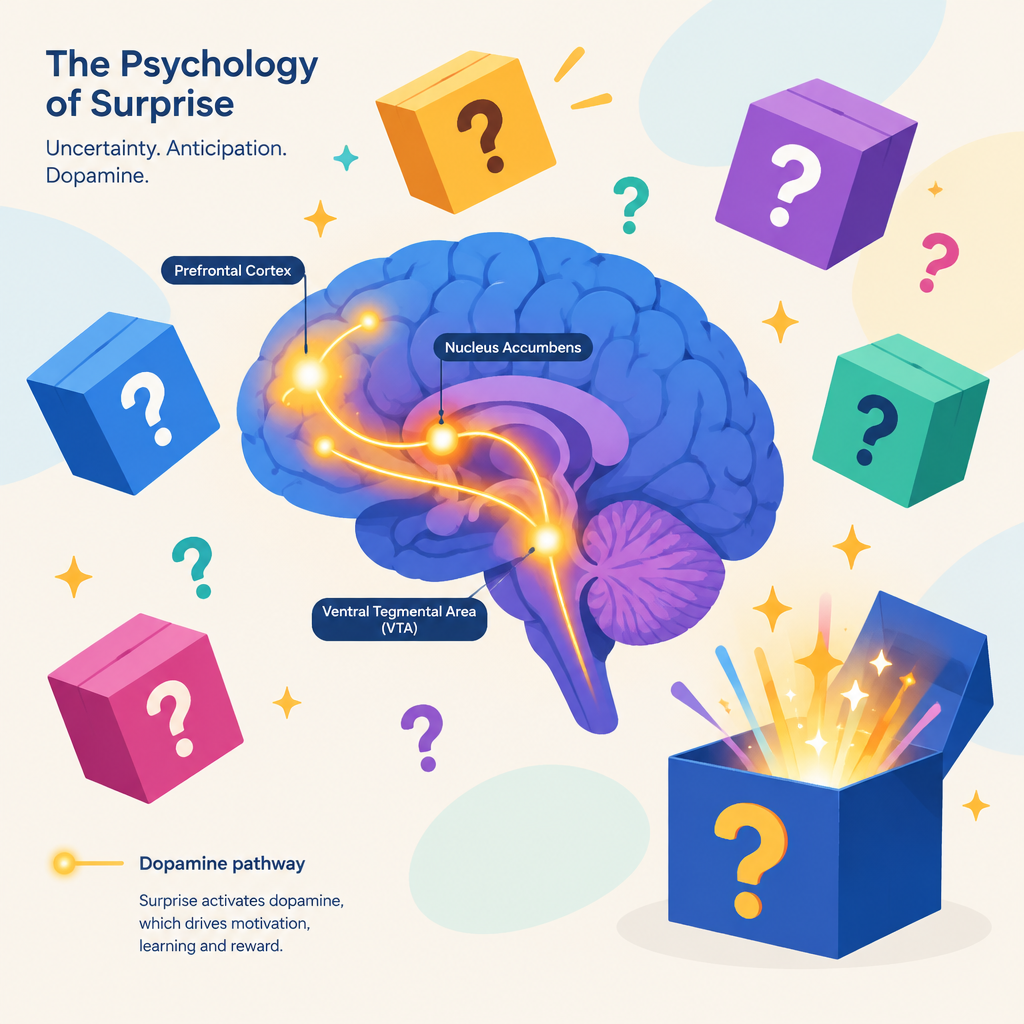
Here's what matters: your brain treats uncertainty like a slot machine. Neuroscience research shows that unpredictable rewards trigger bigger dopamine hits than guaranteed ones. Dopamine is the chemical behind anticipation and drive. A sure thing gets a modest response. A maybe gets fireworks.
A blind box is engineered around that gap. You're not really buying the toy. You're buying the maybe. The ten seconds between tearing the seal and seeing the figure are the actual product.
There's a second hook: the collection. Most series have a full lineup, often 12 regular figures plus one or two secrets. Own 11 of them, and your brain will nag you about the missing one. Psychologists call this the near-miss effect. It's the same force that keeps people pulling slot levers. Completion stops feeling like a want. It starts feeling like a need.
Think about it this way. Imagine a sticker album with one empty slot. You'll trade almost anything to fill it. Now imagine that slot refills itself every time a new series drops. That's the collector loop, and it never truly ends.
When Fun Tips Into a Trap
For most people, this is harmless fun. A box now and then is just entertainment. But the same mechanics that make blind boxes delightful can make them risky. A 2023 study in Addictive Behaviors Reports linked loot box spending to problem gambling. Mental health experts quoted in recent coverage warn that heavy blind box buying can heighten impulsivity and erode the ability to delay gratification. Kids are the most exposed group, because their self-control systems are still developing.
The practical takeaway? Set a budget before you buy, not after. Treat boxes as entertainment, never as an investment. If buying brings a buzz of relief, or stopping brings guilt, that's your signal to pause.
The Dark Side: Gambling Worries and Fakes
Kids, Gambling, and Regulators
The loudest alarm around blind boxes is gambling. Critics say the boxes copy slot machines a little too closely: pay, get a random reward, feel the itch to try again. Belgium went further and banned loot boxes in video games, calling them illegal gambling. In the UK, research by the charity GambleAware found that nearly 40% of children have spent money on loot boxes. Studies suggest early exposure can act as a pathway to gambling problems later in life.
No country has banned physical blind boxes yet. But regulators are watching, and the pressure grows each year. Toy makers now face a simple choice: police themselves, or get policed. Some have started printing age warnings and odds on packaging. A few apps have added spending caps for younger users. Those are good first steps, but parents still carry most of the load here.
Counterfeiters Cash In
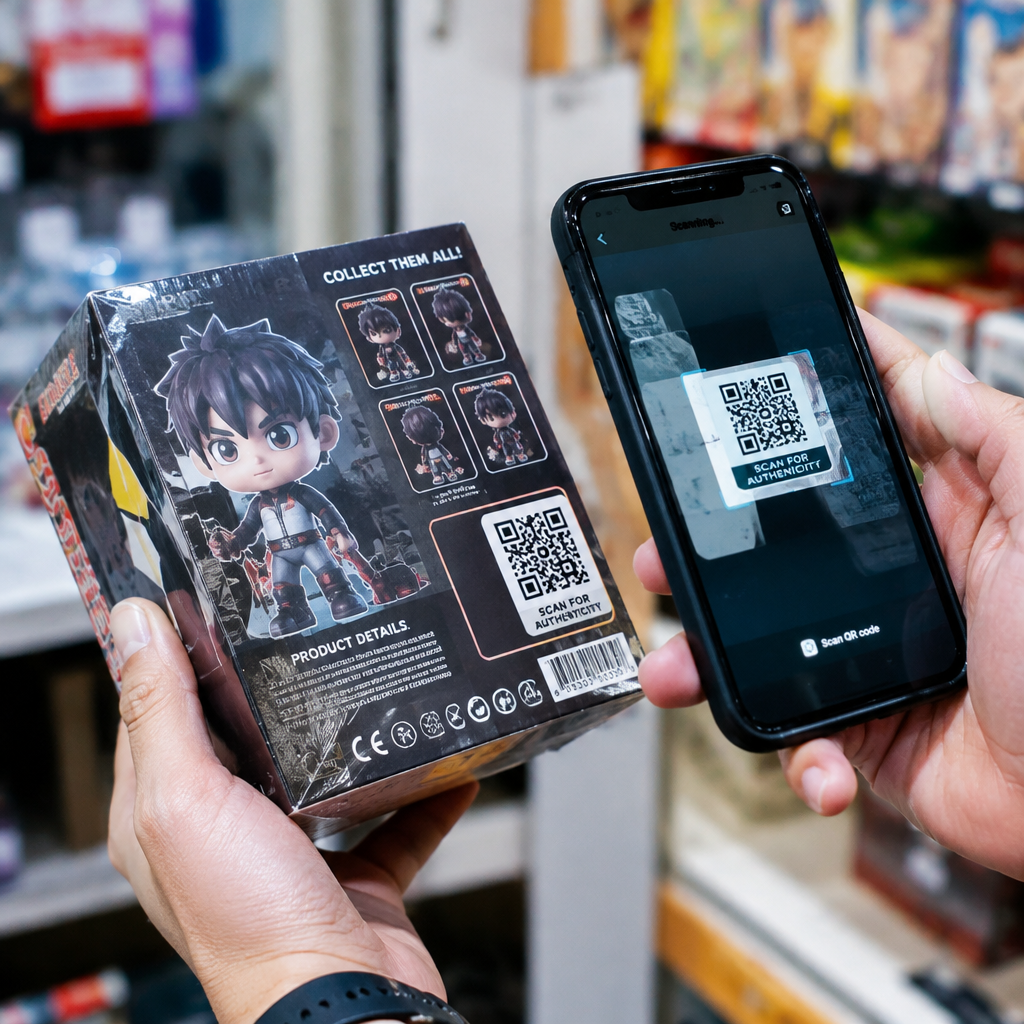
Where there's a hot resale market, fakes follow. Ahead of Christmas 2025, UK trading standards officers seized fake Labubu dolls from ten retailers in the town of Reading alone. Multiply that across every market and the scale of the counterfeit problem becomes clear.
Protect yourself with a few habits. Check the print quality on the box, since genuine packaging is crisp. Scan the verification QR code where available. Be honest about pricing: a "guaranteed secret figure" at half price is almost always a scam. And buy from official stores or authorized sellers when you can.
The Budget Creep Problem
The quietest risk is the slow creep of small buys. One $20 box feels like nothing. Ten boxes a month is $200. One Texas collector told Business Insider she had gathered about 30 Labubus since the craze began. Nobody plans to overspend on blind boxes. It happens one pull at a time.
Smart Blind Box Buying: Practical Tips
You don't have to quit the hobby to stay safe. You just need guardrails. Here's what careful collectors suggest.
Set a monthly cap in writing. Decide the limit before the month starts. When the money's gone, stop. No exceptions for "one last box."
Buy singles when you know what you want. The secondary market sells specific figures openly. Paying a little more to skip the lottery is often cheaper in the end.
Never chase a loss. If you pull three duplicates, the answer isn't a fourth box. The odds don't improve because you're frustrated. That's the exact trap gamblers fall into.
Make rules with kids. If your child collects, agree on limits together. A fixed monthly amount works better than impulse buys at the checkout.
Check resale prices first. If a series has no resale demand, your "investment" is just a toy. That's fine if you love it. It's not fine if you were counting on profit.
Use the 24-hour rule. See a new series you love? Wait a day. If you still want it tomorrow, buy one box. Impulse fades fast.
What's Next for the Blind Box Trend
Even with Pop Mart cooling off, the blind box format looks likely to stick around. The collectible figures market reached $14.8 billion in 2025 and is forecast to keep climbing. The wider art toy market stood at $11.4 billion in 2025, heading toward $23.76 billion by 2034. Those numbers say this is more than one doll's fifteen minutes.
Retailers Borrow the Hack
Good sales mechanics don't stay in one aisle. Brands now sell blind versions of snacks, candles, cosmetics, trading cards, and even mystery travel packages. Some stores run "lucky bag" events where every bag holds unknown goods. Subscription boxes use the same psychology in slow motion: sign up, and surprise items arrive monthly. Even vending machines have leveled up. New smart machines let you win a second capsule at random, which turns a boring snack purchase into a mini game show.
Even holiday shopping is going blind. Retailers are folding mystery boxes into seasonal promos because they clear inventory and spark engagement at the same time. There's a catch for shoppers, though. When you can't see what you're buying, you can't comparison-shop. Sellers love that. Now you know to watch for it.
The Digital Blind Box Boom
The trend has also moved onto screens. App-based draw games let users pay to open virtual boxes, usually for collectible characters. The digital blind box market hit roughly $4.5 billion in 2026 and is projected to reach $14.5 billion by 2035. Some apps run the exact same loop: pay, pull, hope for the rare one, share the result.
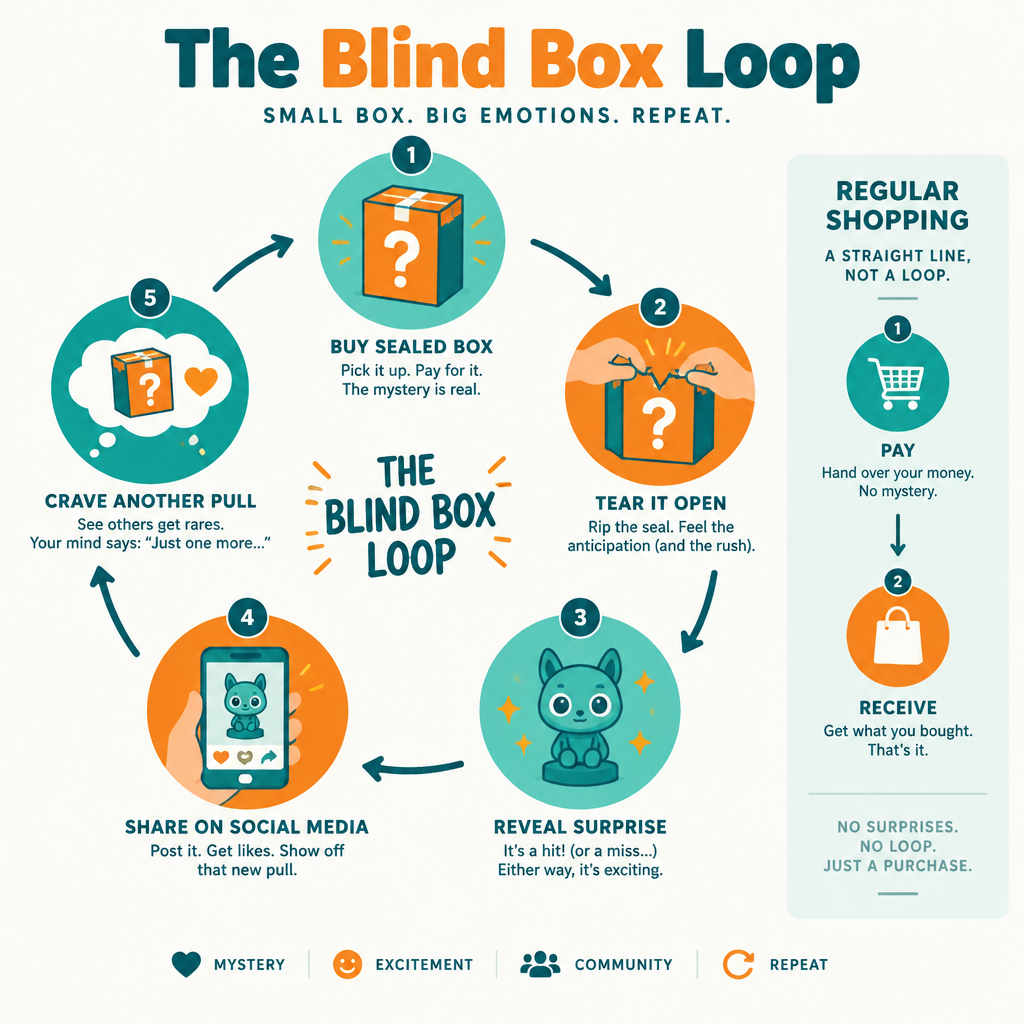
Be careful here. Digital boxes remove the friction of a physical store. You can pull ten times in a minute from your couch. That speed is a feature for the seller, not for you. Some apps even show other players' lucky pulls in a live feed, which makes winning feel more common than it is. If a game pushes you to buy right now, that urgency is part of the design.
The Wrap-Up
Pop Mart is now working to prove it can grow beyond Labubu, pushing other character lines and new global stores. The Sony movie could reignite mainstream attention. And every retailer that watched this boom is quietly testing mystery formats of its own. Curious how other product categories are riding hype cycles? See how silicon carbon batteries became tech's next big thing.
So expect more blind boxes, not fewer. The surprise will simply show up in more aisles, more apps, and more price points. That's fine, as long as you see the game for what it is: a well-engineered thrill. Enjoy it. Just keep both hands on your wallet.
Frequently Asked Questions
What is a blind box?
A blind box is a sealed package containing a surprise item. You know the product category, but not the exact figure inside until you open it. Collectible toys are the most common example. The format borrows heavily from video game loot boxes, which have used random paid rewards for over a decade.
Why are Labubu dolls so popular?
Labubu paired a distinctive design with celebrity exposure and blind box scarcity. Fans never knew which figure they'd get, which made every purchase exciting to share on social media. That loop of surprise and sharing turned an affordable toy into a global status symbol, with one giant model selling for $170,000.
Are blind boxes a form of gambling?
They use the same psychology: pay money, receive a random reward, feel pushed to try again. Research links loot box spending to problem gambling, and Belgium has banned loot boxes in video games. Physical blind boxes aren't regulated as gambling yet, but experts urge parents to apply the same caution.
Are blind boxes a good investment?
Usually not. Rare secret figures can resell for high prices, but most figures sell at or below retail on the secondary market. Pop Mart's sharp sales slump in 2026 also shows how fast resale values can fall. Collect because you love the toys, not because you expect a profit.
How can I spot a fake Labubu?
Check the box for crisp printing and scan the verification QR code if there is one. Compare stitching, paint details, and packaging against official product photos. Be suspicious of prices that seem too good, especially for "guaranteed" rare figures. Buying from official or authorized stores cuts the risk most.
Will the blind box trend survive the Labubu slowdown?
Signs point to yes. The blind box toy market is forecast to grow from $6.36 billion in 2026 to $15.9 billion by 2035, and digital blind boxes are expanding even faster. Retailers keep adopting the format across new categories. The characters may change, but the surprise mechanics look here to stay.


Comments
Post a Comment