Thanksgiving Canada 2025: History and Celebration Tips
Thanksgiving Canada 2025: History and Celebration Tips
Key Highlights
Canadian Thanksgiving is celebrated on the second Monday of October each year.
In 2025, Thanksgiving Day falls on Monday, October 13.
The holiday is rooted in traditions of a harvest festival, giving thanks for a bountiful season.
A classic Thanksgiving feast often includes turkey, stuffing, and pumpkin pie.
Unlike the American version, it is not tied to the story of the Pilgrims.
Regional customs vary, with some provinces observing it as an optional holiday.
Introduction
Welcome to the world of Canadian Thanksgiving! This cherished national holiday is a time for family, friends, and reflection. It’s an opportunity to gather around the table, share a delicious meal, and express gratitude for the good things in life. At its heart, Thanksgiving Day in Canada is a celebration of the bountiful harvest and a moment to appreciate the blessings of the past year. Are you ready to learn more about this wonderful autumn tradition?
Key Dates and Significance of Canadian Thanksgiving 2025
Mark your calendars! Canadian Thanksgiving in 2025 will be observed on Monday, October 13. This date places the holiday on the second Monday of October, a tradition that has been in place since 1957. For many, this timing creates a wonderful long weekend, perfect for travel, family gatherings, and enjoying the crisp autumn weather. It's an ideal moment in early October to pause and reflect.
The significance of the holiday was officially defined by the Canadian Parliament, which proclaimed it as "A Day of General Thanksgiving to Almighty God for the bountiful harvest with which Canada has been blessed." While it is a public holiday in most parts of the country, its focus remains on gratitude and celebrating the successful harvest season rather than commemorating a specific historical event. Now, let’s look more closely at the timing and history.
When Canadian Thanksgiving Is Observed in 2025
In 2025, you will celebrate Canadian Thanksgiving Day on Monday, October 13. This date follows the rule of observing the holiday on the second Monday of October every year. This makes it a statutory public holiday for most Canadians, providing a three-day weekend.
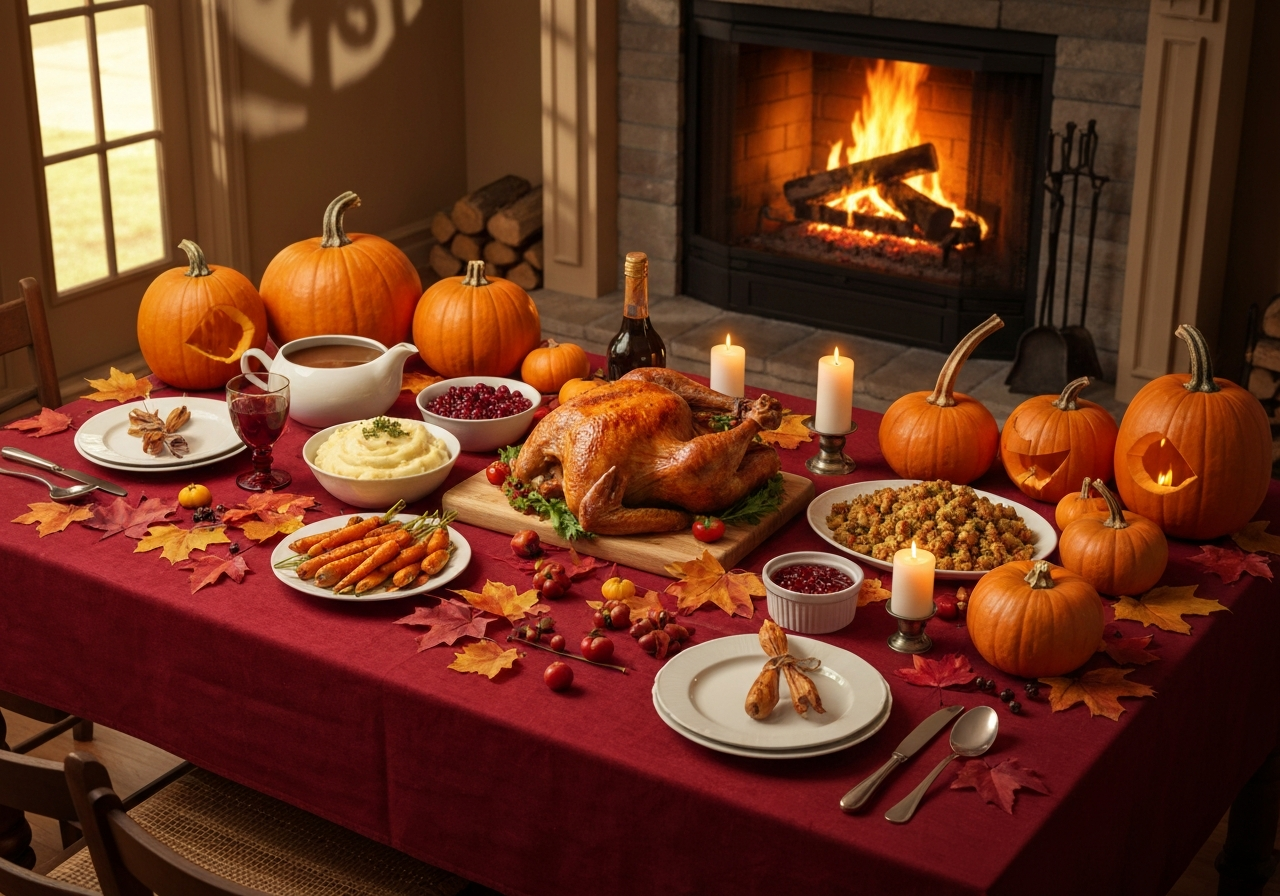
While the official holiday is on the 2nd Monday, many families choose to have their main Thanksgiving meal on Sunday to allow for a more relaxed celebration. This flexibility is a key part of the Canadian tradition.
This timing is a major difference from Thanksgiving in the United States, which falls on the fourth Thursday of November. The earlier date in Canada aligns more closely with the end of the harvest season in the country's colder climate.
Why Canada Celebrates Thanksgiving in October
Have you ever wondered why Canada’s Thanksgiving is in early October? The answer lies in geography and agricultural history. Canada's harvest season ends earlier than in the United States due to its northern climate. Celebrating in October allows the holiday to coincide with the actual completion of the harvest.
This tradition is rooted in European harvest festival customs, which were all about celebrating a successful crop. These harvest celebrations were happening long before the Canadian Confederation.
While the American holiday on the fourth Thursday of November is linked to a specific historical event, Canada's Thanksgiving has remained truer to its origins as a harvest festival. The date was officially fixed in 1957, but the practice of an autumn celebration of thanks had been observed for many years prior.
Historical Origins and Evolution of Canadian Thanksgiving
The historical origins of Canadian Thanksgiving are a fascinating blend of different cultures and traditions. Long before Europeans arrived, Indigenous peoples held their own harvest celebrations to give thanks for nature's bounty. The modern holiday evolved from these early customs and later influences, eventually becoming an official national holiday.
In 1957, the Canadian Parliament formally declared the holiday as a day to thank "Almighty God for the bountiful harvest." Let's explore how these early influences and official declarations shaped the Thanksgiving we know today.
Indigenous Harvest Festivals and Early Influences
The tradition of giving thanks for a bountiful harvest in North America began with Indigenous peoples, who held annual harvest celebrations long before European settlers arrived. These festivals were deeply connected to the land and the changing seasons, acknowledging the earth's provisions.
One of the earliest recorded Thanksgiving services by Europeans occurred in 1578. English explorer Martin Frobisher and his crew gave thanks for their safe passage in what is now Nunavut. This predates similar events by Spanish explorers in other parts of the continent.
Later, French settlers also held feasts of thanks, further adding to the blend of traditions. As British influence grew, so did the customs they brought, which eventually merged with existing practices to form the holiday celebrated across Canada today.
Establishment as a Statutory Holiday Across Provinces
Thanksgiving's path to becoming a national statutory holiday was a gradual one. For a time after World War I, the Day of Thanksgiving was celebrated on the same day as Armistice Day (now Remembrance Day). In 1931, the two were separated, and Thanksgiving was proclaimed annually. Finally, in 1957, the Canadian Parliament fixed the date as the second Monday in October.
However, is it a holiday for everyone? Thanksgiving is a statutory holiday in most of Canada, meaning most workers get a paid day off. But in the Atlantic provinces of Prince Edward Island, New Brunswick, and Nova Scotia, it is an optional holiday.
Companies regulated by the federal government, like banks, recognize the holiday nationwide. Here’s a simple breakdown of its status:
Region | Statutory Holiday Status |
|---|---|
Most Provinces & Territories | Yes |
Prince Edward Island | Optional Holiday |
Newfoundland and Labrador | Optional Holiday |
Nova Scotia | Optional Holiday |
New Brunswick | Optional Holiday |
Canadian Thanksgiving Traditions, Food, and Celebrations
Canadian Thanksgiving is all about celebrating with food, family, and fun. The centerpiece of the holiday is often a grand Thanksgiving feast, where everyone gathers to enjoy a special meal. While many traditions are shared across the country, interesting regional customs add unique local flavor to the day of general thanksgiving.
From the food on the table to the activities families enjoy, the holiday is a rich tapestry of celebration. Let's look at some popular foods and unique traditions that make Canadian Thanksgiving special.
Unique Regional Customs and Popular Foods
The Canadian Thanksgiving table is filled with delicious popular foods. While roasted turkey is the star, the meal is complemented by stuffing, mashed potatoes, cranberry sauce, and autumn vegetables. For dessert, pumpkin pie is a classic, but you might also find Canadian favorites like butter tarts or Nanaimo bars. Compared to its American counterpart, the holiday is less associated with massive shopping events like Black Friday.
Beyond the food, Canadians have some wonderful traditions. Watching the Thanksgiving Day Classic, a Canadian Football League game, is a popular activity for many. Some communities also host fairs and parades, like the Kitchener-Waterloo Oktoberfest Thanksgiving Day Parade, which features floats and marching bands.
Here are some popular foods and traditions you might encounter on Turkey Day:
Roasted turkey with stuffing and gravy
Mashed potatoes and sweet potatoes
Autumn vegetables like squash and Brussels sprouts
Classic pumpkin pie or apple pie
Regional desserts like butter tarts
Watching the Canadian Football League's Thanksgiving Day Classic
Attending local harvest festivals or fairs
Enjoying the fall colors with family and friends
Conclusion
In conclusion, Thanksgiving in Canada is a time to reflect on the blessings of the past year while enjoying the company of family and friends. From its rich historical origins rooted in Indigenous harvest festivals to the modern celebrations that vary across provinces, this holiday brings together diverse customs and delicious foods. As you prepare to celebrate Thanksgiving in 2025, consider embracing these traditions and creating your own memorable experiences. After all, the essence of this holiday lies not just in feasting but in fostering gratitude and connection with loved ones. To enhance your Thanksgiving experience further, feel free to reach out for tips or ideas that can make your celebration even more special!


Comments
Post a Comment